Weight training

Weight training

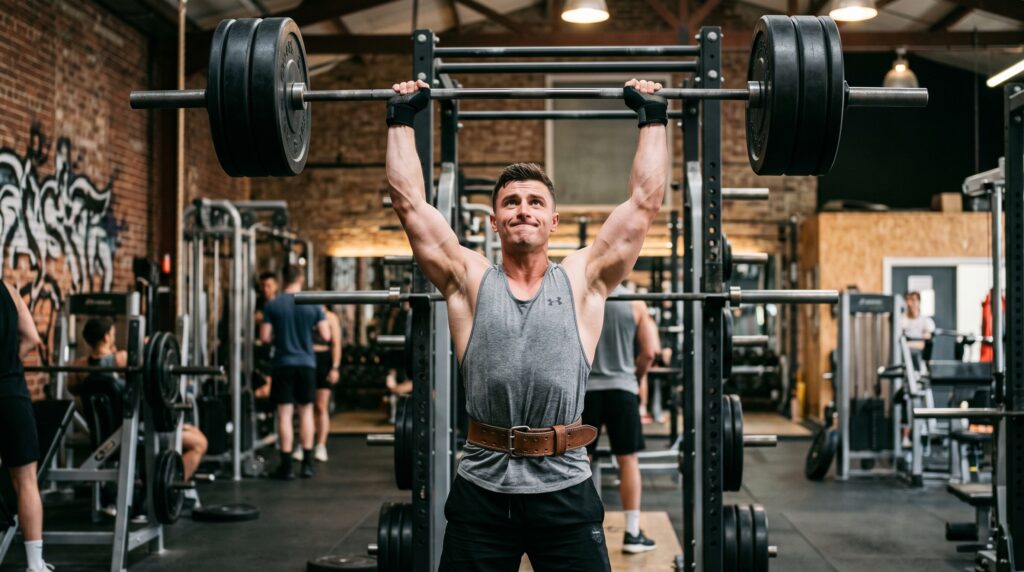
HOW TO DO SEATED PIN PRESSES

Today I’m going to explain how to set up and perform seated pin presses when equipment limitations prevent you from using the standing lift. If you’re training at a gym that’s not a Starting Strength gym or a Starting Strength affiliate, you might not have the proper equipment to do standing pin presses. So, you might have to improvise a little bit. You’re just going to have to change a few things and pay attention to a couple of things whenever you’re actually getting tight for the actual press to initiate.

Weight training

THE PROPER BENCH PRESS SETUP

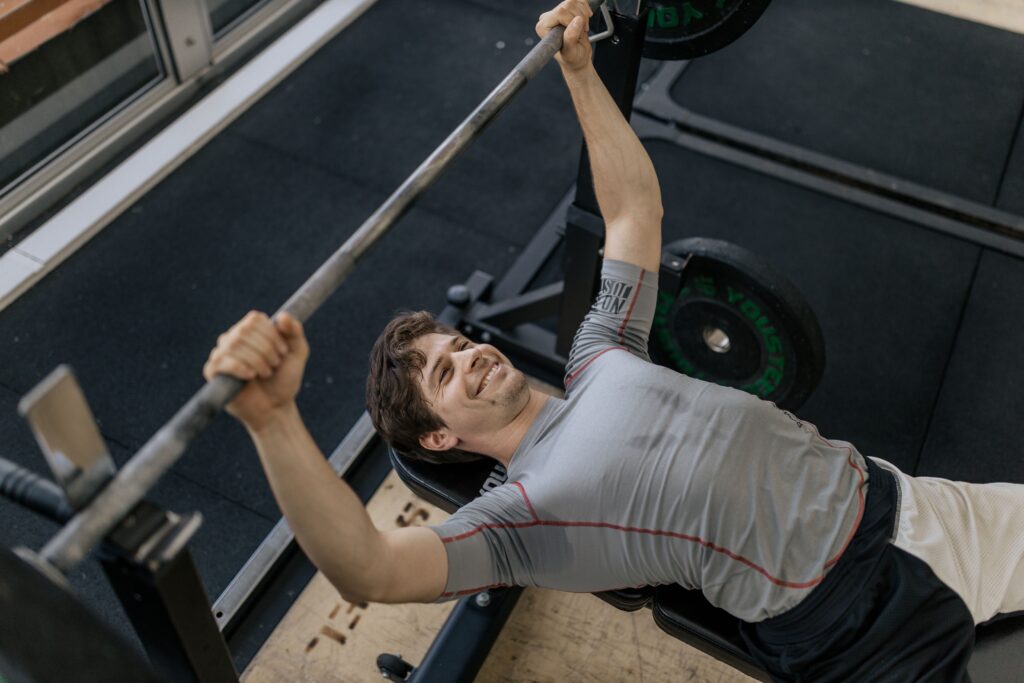
The bench press is everybody’s favorite exercise in the gym. When you first start lifting weights, the first thing you do is bench press. The reason for that is because the perception about the bench press is that it makes you look better. The bench press is the most important thing for your appearance. This is not exactly true. One thing it does do is it makes things change very quickly. It makes your appearance of a muscular shoulders and chest happen very quickly. But the bench press is not as simple an exercise as you want it to be. The bench press is a movement that starts at the floor and ends at the bar. Even though you’re laying on a bench, your lower body is involved in the bench press because of the brace that must occur between your shoulders pinned to the bench and your feet pinned to the floor. That stable bridge between the floor and your shoulders is the foundation of the movement pattern. You can’t bench as much weight with your feet up on the bench, for example, as you can with your feet on the floor locked in place, setting tension against your spine, your hips and your knees. So, the bench press is a little bit more complicated than it looks like it is. So, today we’re going to show you how to get in position on the bench, and what to do with your feet, your butt, your hips, your back, your legs and all the stuff that contributes to a big heavy bench press. We’re going through the correct setup for the bench press according to Mark Rippetoe and Starting Strength methodology. Establishing a stable connection between the floor and your shoulders is essential for using your whole body and getting the best training effect.
Weight training, Biomechanics

THE MECHANICALLY CORRECT PULL

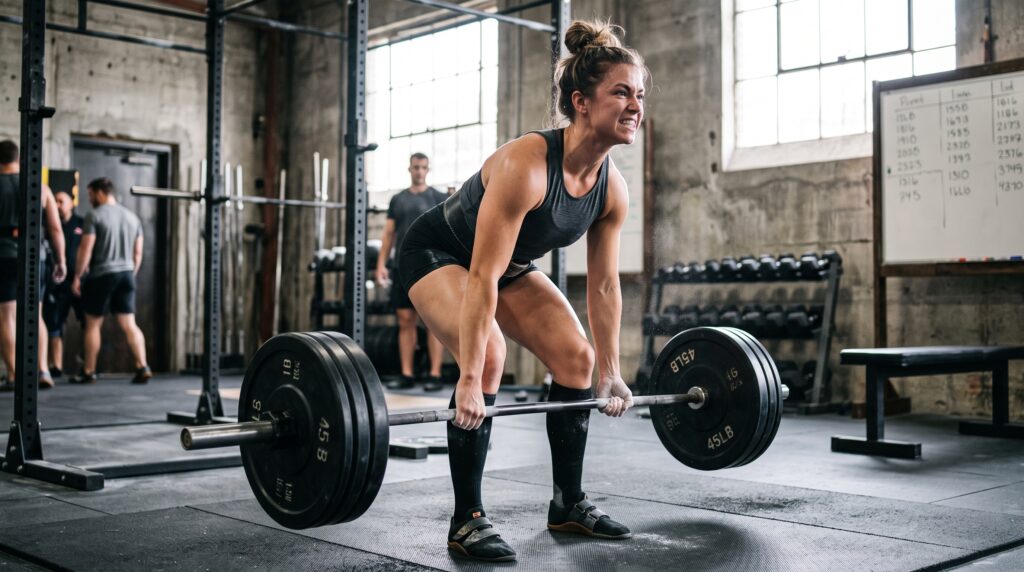
Pulling a bar off of the ground is a really fundamental process. It’s what weightlifting is all about. It’s the reaction between the loaded barbell, you and gravity. Gravity pulls in one direction: it pulls straight down. You’re interacting with the floor with your feet. This means that the reaction between the weighted barbell and you is a function of your feet basically.

Weight training

HOW TO CHOOSE A TRAINING PARTNER

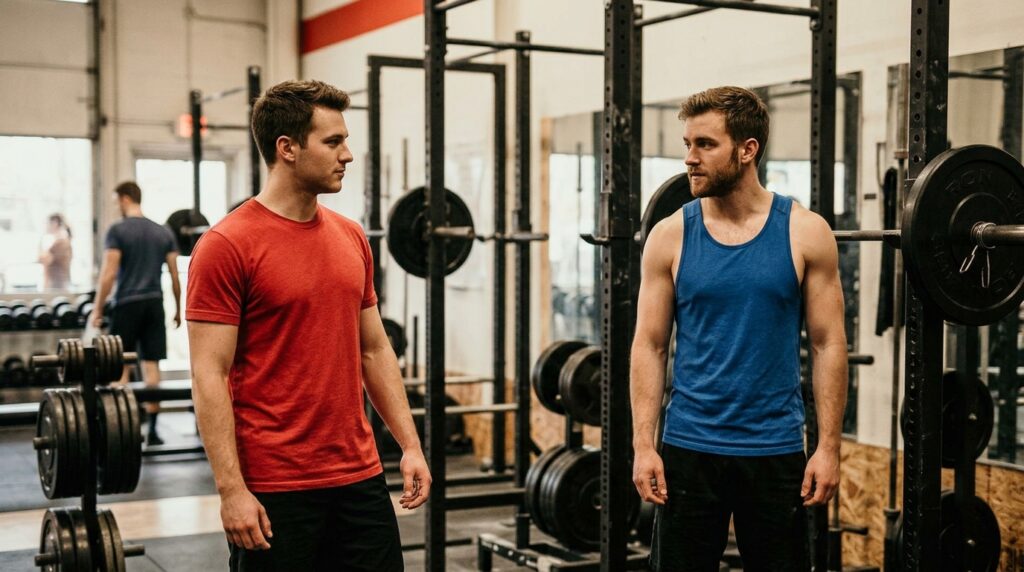
Today we’re going to talk about training partners. We’re going to discuss qualities that make a lifting partner a valuable asset. Training partners are a real good thing to have one up. It’s not entirely necessary, especially if you can’t find a good one. But if you can find a good one, it makes everything easier. It makes training itself easier. It makes your progress easier to keep track of. It’s good to have the encouragement and another set of eyes on your technique. And there are a lot of reasons why a good training partner is an essential part of a productive approach to training. But what is a good one? What is a good training partner?

Weight training

CRUSH THE BAR

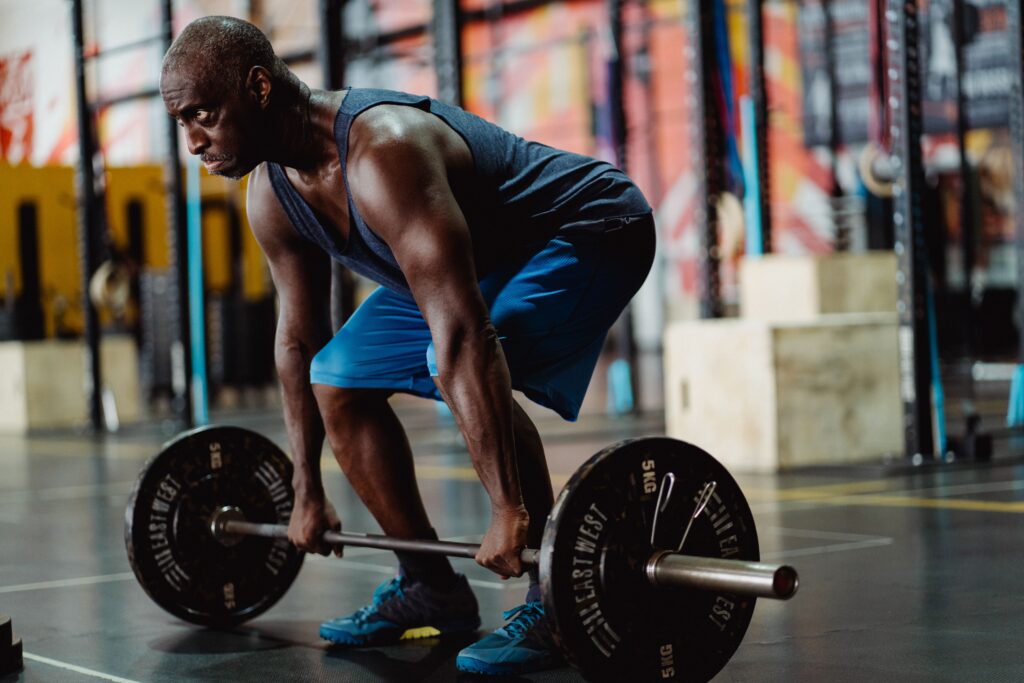
If you’re going to grab a barbell, grab the barbell. According to Rusty, Starting Strength coach at the Wichita Falls Athletic Club, you should be squeezing the barbell while lifting. “Crushing the bar” is a coaching cue that he uses a lot with kids and clients that are kind of beginning because everybody just kind of grabs a hold of bar like they’re picking something light up off the ground. They just kind of hold on to it as much as they feel they need to not as hard as they can.

Weight training

DON’T MAKE THESE PRESS MISTAKES

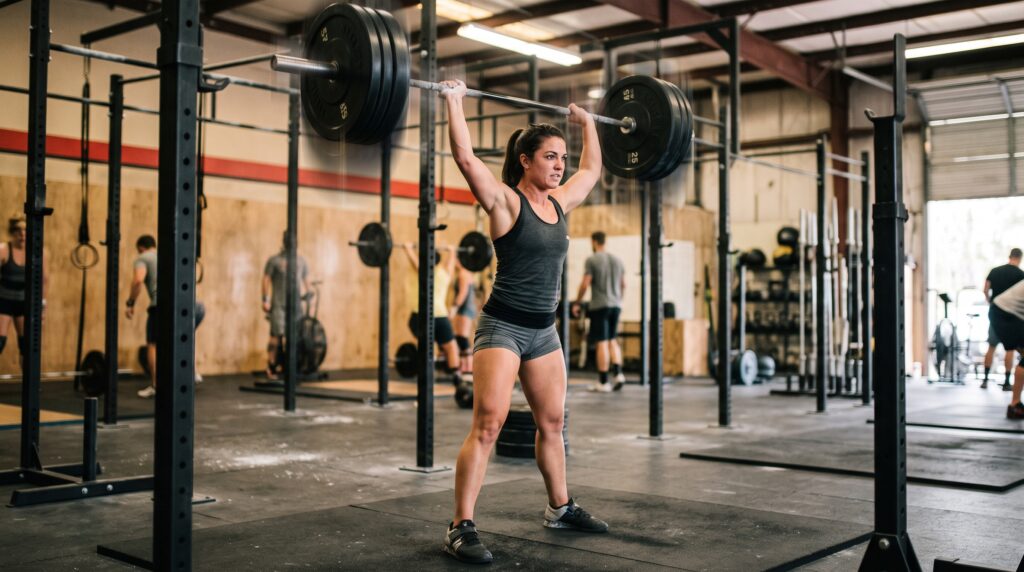
In this post I’m going to explain the bar position starting in the press and some common press position mistakes seen in those with long forearms.
The first common mistake is starting the bar too high whenever you’re pressing. Rusty, coach at the Wichita Falls Athletic Club, sees this normally whenever presses start getting heavier. People start creeping the bar up. There’re different ways that this looks. Some raise their chin and they get their bar as high as they can. Some just put the bar right in front of their face. The starting position is below the chin while your head is straight on. That’s the standard. If you hit that standard everytime, then you don’t add in different variables of the bar position starting.

Weight training, Sports training

WHAT TO DO IF YOU MISS STRENGTH TRAINING DAYS

If you are training, not just working out at the gym, but doing a program that requires that you do certain things at certain times throughout the week with specified amounts of weight, you are approaching strength training in a way that most people do not because most people do not have the wherewithal to put together six months of actual dedicated training, even really much less, six weeks. If you’re actually training with weights, you’re on a schedule and you don’t miss workouts, then you are doing something that very few people do. Very few people approach their training in this way. But if you approach it this way, you get results: you get stronger and you get bigger. In fact, if you want to get bigger and stronger, there’s no other way you can approach it. You have to put the some thought into the workouts that you’re going to do: when you’re going to do them, how you’re going to do them, what you’re going to do them with, your equipment… Primarily the schedule.

Weight training, Biomechanics, Kinesiology

HOW TO PROPERLY BREATH WITH A LIFTING BELT

Today I’m going to explain about something a little more basic, but very important. I´m going to take you through basic anatomy and mechanics of a proper breath with a belt. When we aren’t thinking about it, we normally take breaths properly. If you’re like going to dive underwater or something, you’re going to get a big belly breath. You’re going to expand your diaphragm and get as much air in you as possible. But anytime you tell someone to take a big breath, they normally do it incorrectly. They take a big chest breath. They kind of suck their belly in and take a big shallow breath and they get their chest real big. That’s not what we want to do when we are doing a Valsalva maneuver to lift heavy weights.

Weight training, Biomechanics

THE PROPER PLACEMENT OF THE BAR IN THE SQUAT

I´m going to take you through the proper placement for the bar in the squat, discussing the effects of the position for training, and how the back musculature and forearms support this position during the movement.
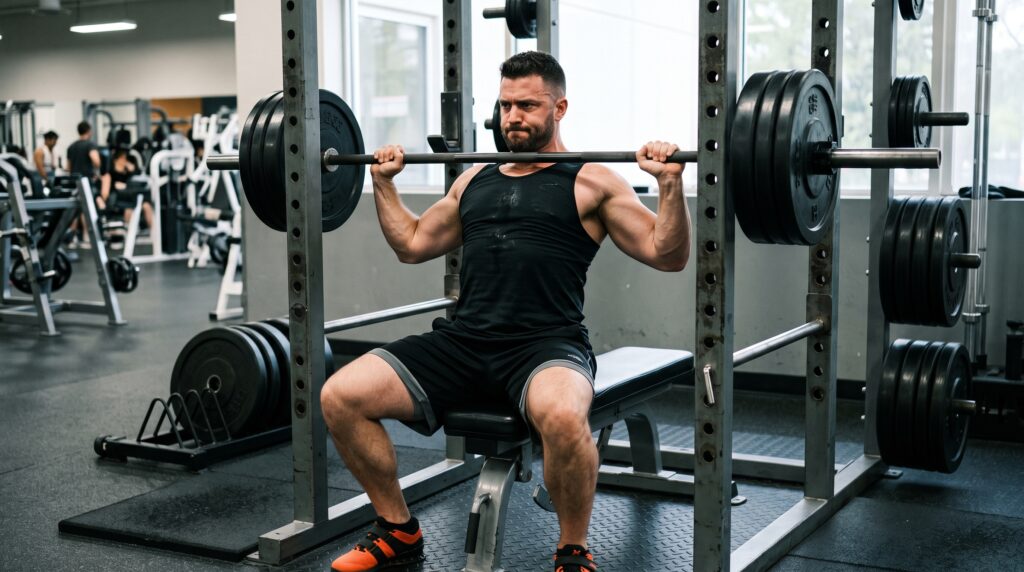
In Starting Strength training they do what Mark Rippetoe calls the low-bar squat position. The low-bar squat position is different than where the bar is up high on top of your traps. A high-bar squat has got a much more vertical back angle. A much more vertical back angle tends to unload the back itself. The back is more in compression with a vertical position than it is in moment. And we want to load the back in moment, we want to load the hips in moment, and we want to load everything we can load to put more stress on all these major structures. So, we’re going to put the bar lower on the back in order to specifically create a more horizontal back angle.

Scroll to Top