Track and field

Track and field, Exercise physiology, Kinesiology

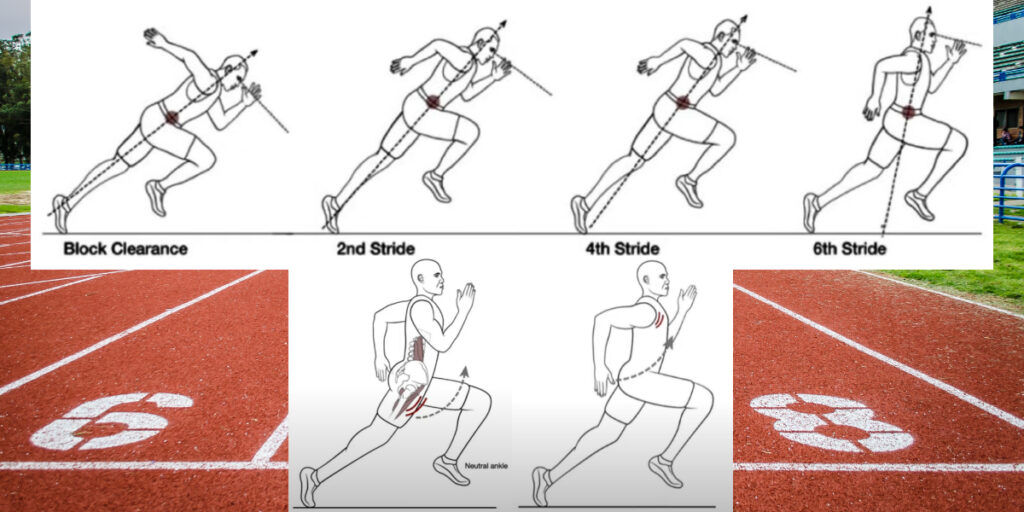
WHY DO OLYMPIC SPRINTERS HAVE INSANE SHOULDERS?

Have you noticed that Olympic sprinters have insane shoulders? I mean not only are they large in size, but they are also even developed, have impressive flexibility and almost never get injured. According to a study, 36 of all resistance training related injuries occur at the shoulder. They identified the biggest risk factors as a muscle strength imbalances, front shoulder instability and loss of mobility, which is the complete opposite of what nearly every Olympic sprinter has. In this video we’re going to try to figure out why do Olympic sprinters have insane shoulders.


Track and field, Physical preparation, Situational sports, Sports training

HOW TO TRAIN FOR SPEED DURING THE OFF SEASON

Tony Holler is a track and field coach and a football and basketball physical trainer. He works at Plainfield North High School. He is also a member of the Illinois Track & Field Hall of Fame and co-director of the Track Football Consortium with Chris Korfist. Tony Holler is the author of the “Feed the Cats” training method. In this post, you’ll learn how their athletes train for speed during the off-season.

Track and field, Biomechanics

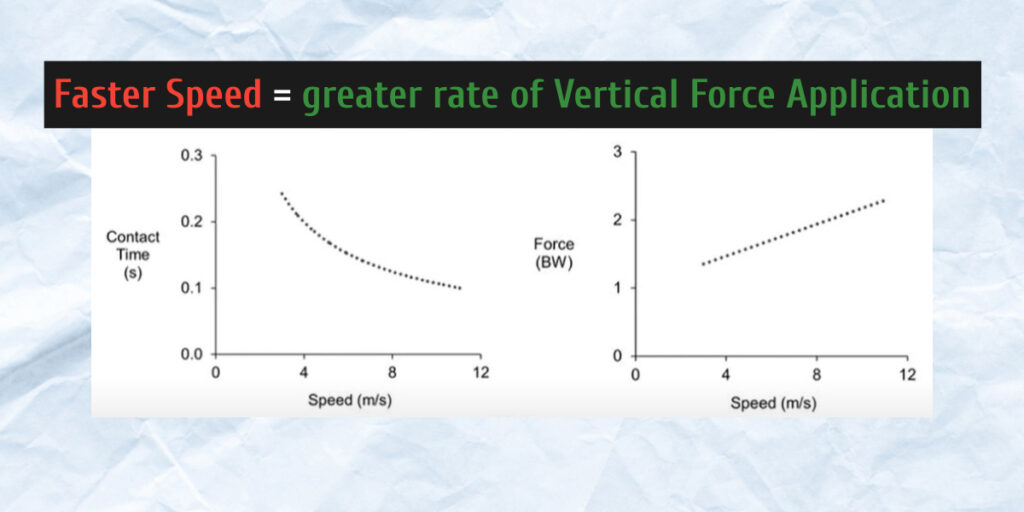
GROUND CONTACT TIME AND VERTICAL FORCE

According to Dr. Ken Clark, every step you sprint from acceleration all the way through the end of a 100 meters or 200 meters, or you name it, you need to apply enough vertical impulse. Impulse is the product of force and time. It’s force applied for a period of time. You need to apply enough vertical impulse to support your body weight, so you don’t crash, and to lift your center of mass (COM) into the next step.

Track and field, Physical preparation, Situational sports

THE 10 DON´TS OF SPEED TRAINING

Here are the 10 don´ts of speed training by coach Tony Holler, the autor of the “Feed the Cats” program.
1. Don´t see speed as purely genetic and immutable. There´s a saying that God creates sprinters and coaches create milers. That´s wrong.
2. Don´t sprint without getting timed. If you ain´t getting timed, you ain´t sprinting.
3. Don´t dismiss linear speed. There´s nothing more extreme in human movement than sprinting in spikes in a straight line and getting timed.
4. Don´t forget to record, rank and publish. It is truly the food of cats.
5. Don´t speed train in a state of fatigue. If you do, you will never push the central nervous system (CNS).
6. Don´t sprint for more than 5 seconds. Anything you do more than 5 seconds is working on something other than speed.
7. Don´t view speed through a muscular lens. Try to see speed through an electrical lens. Speed is controlled by the central nervous system (CNS).
8. Don´t spend the off-season working on aerobic stuff. If you do, you´ll never get faster. Instead, stack together high level anaerobic work for an aerobic benefit.
9. Don´t ignore max velocity. Too many coaches want to work purely on acceleration. Acceleration does not improve speed, but max velocity improves acceleration.
10. Don´t burn the steak and, of course, feed the cats.

Track and field

HOW TO TRAIN THE HORIZONTAL JUMPS: LONG JUMP AND TRIPLE JUMP

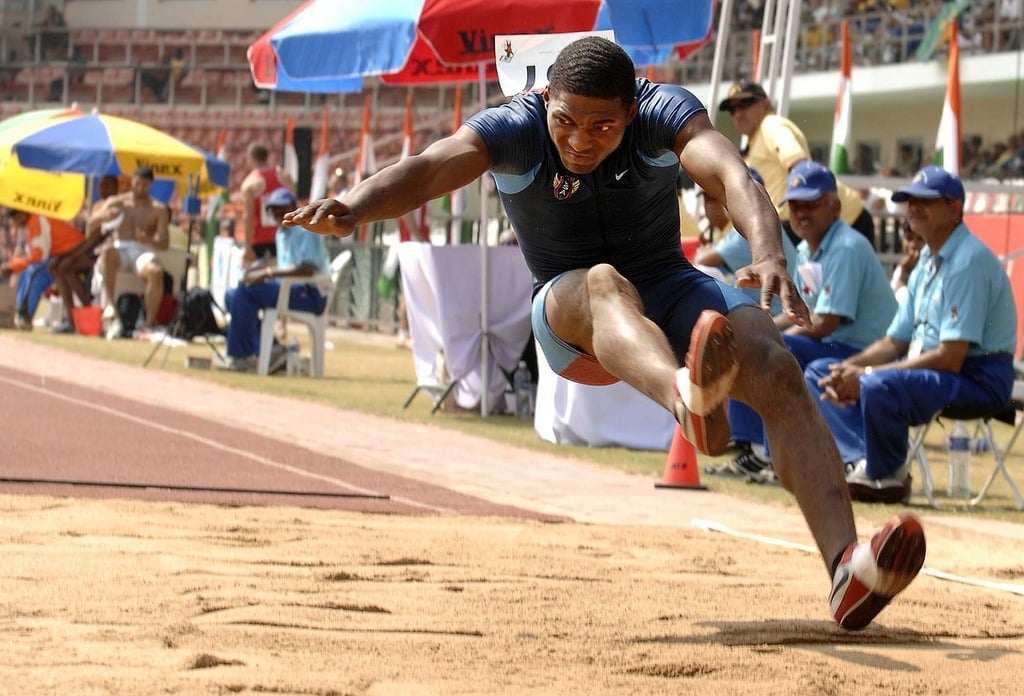
According to coach Justin Kinseth, jumping is the glue between those football players and those track athletes, knowing that you can have a field event on the in between that can be able to provide both. You´re getting great plyometric work in, you´re sprinting… The long jump and triple jump is such an athletes and athletic movement, and also where a football player can delve into and feel like they can be a part of that program even more.

Track and field

HOW TO COACH THE HURDLE TRIALS ACCORDING TO THE BASES OF THE “FEED THE CATS”

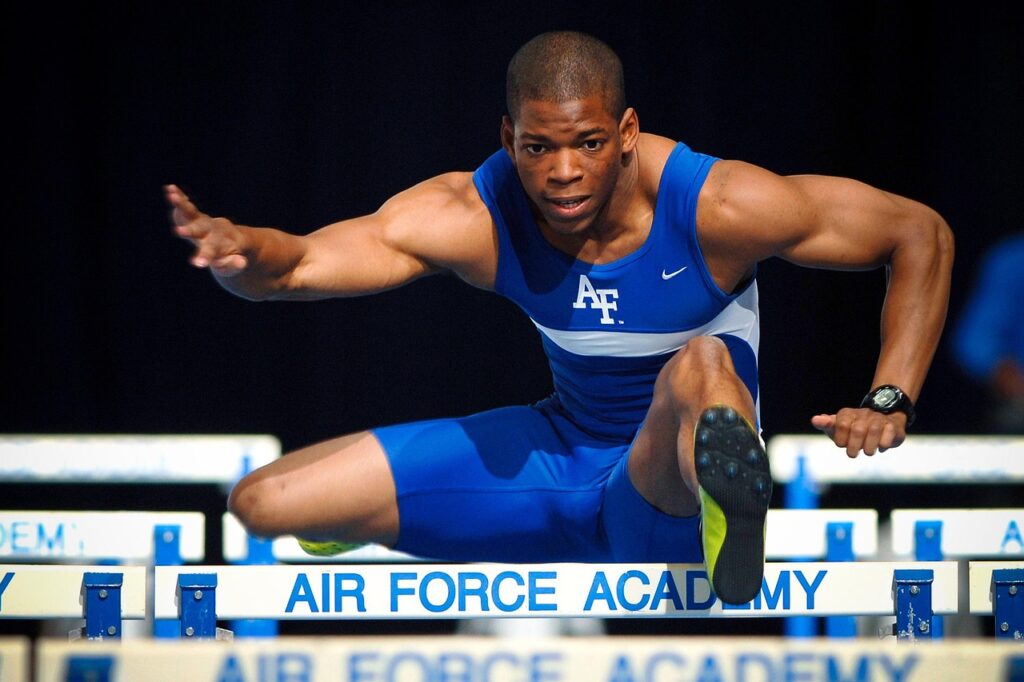
Let’s talk about the hurdles according to coach Tony Holler´s training methodology. One of the biggest things you can do is find your hurdles. A junior set of five hurdles costs $500. You don´t need 10 hurdles. That´s all you need for training. The great thing is they’re adjustable to 18, 20, 24, 27, and 30 inches. As a coach time a 40 yard dash with hurdles at 15 yd and 25 yd for boys, and with hurdles at 13 m and 21.5 m for girls. Do not run trials jumping at full hurdle height. Tony Holler would suggest when you’re trying to find your hurdlers, to put on soft surface, grass or turf because it´s fearless hurdling. Everyone runs three reps, and we record, rank, and publish best times.

Track and field, Exercise physiology, Physical preparation

HOW SPEED TRAINING CAN IMPACT DISTANCE RUNNERS

According to coach Tony Holler, your body adapts to the specific stresses applied. For example:
If you properly train speed, your body will adapt to run faster.
If you properly train speed endurance, your body will adapt to run faster longer.
If you train long and slow, your body will adapt to run longer and slow.
Your body will only adapt to unaccustomed stimuli.
To improve your speed, you must train faster than your current maximum speed.
To run your race distance faster, you must train at paces faster than your current personal record (PR) in that event.
If you only train at paces at or slower than what you´ve already accomplished in your event, your body will not adapt to run faster.

Track and field, Physical preparation, Situational sports, Sports training

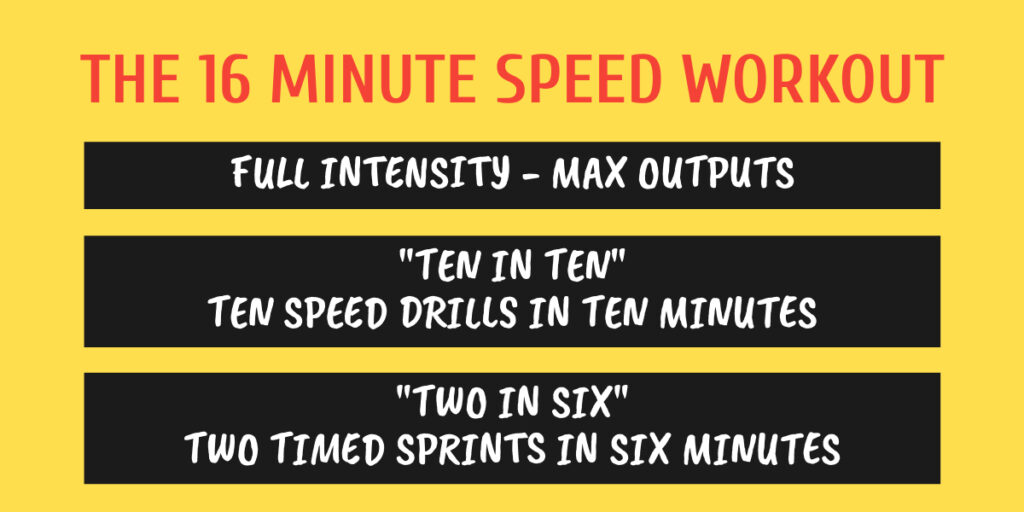
THE ATOMIC WORKOUT: ONLY 16 MINUTES OF SPEED TRAINING

Tony Holler is a track and field coach and a football and basketball physical trainer. He works at Plainfield North High School. He is also a member of the Illinois Track & Field Hall of Fame and co-director of the Track Football Consortium with Chris Korfist. Tony Holler is the author of the “Feed the Cats” training method. In this article, I’m going to show you how Tony Holler programs speed workouts with his high school athletes.

Scroll to Top