Track and field

Track and field, Biomechanics, Kinesiology

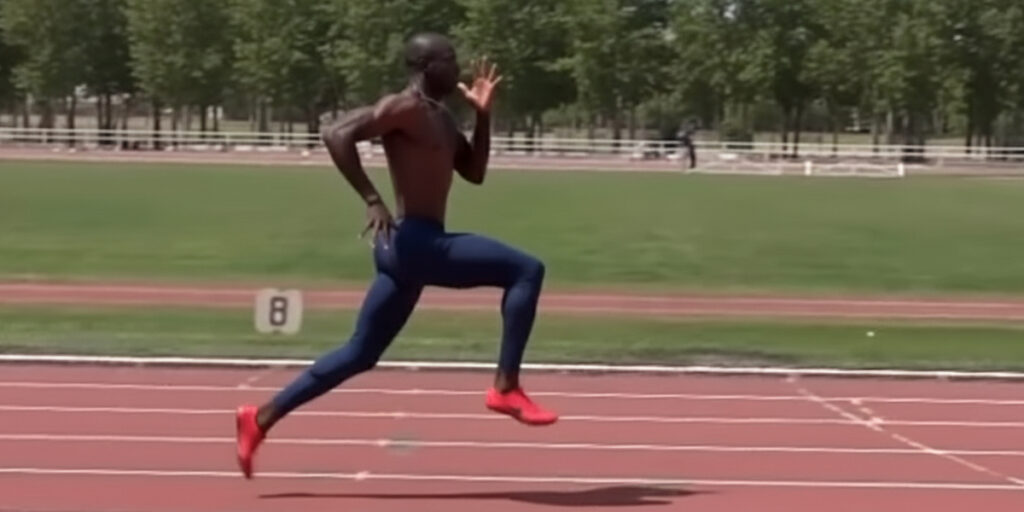
SPRINT FASTER WITH A PROPER FOOT STRIKE

Learn how to sprint faster by maximizing ground contact and developing a proper foot strike. A common mistake many sprinters make is striking the ground on their toes resulting in massive ankle amortization and increased ground contact times. The goal of these drills is to get the athlete to develop a flat foot strike by overemphasizing landing flat on the heel. The result will be a flat foot strike during sprinting (landing on the forefoot or where the track spikes are).

Track and field, Biomechanics, Kinesiology

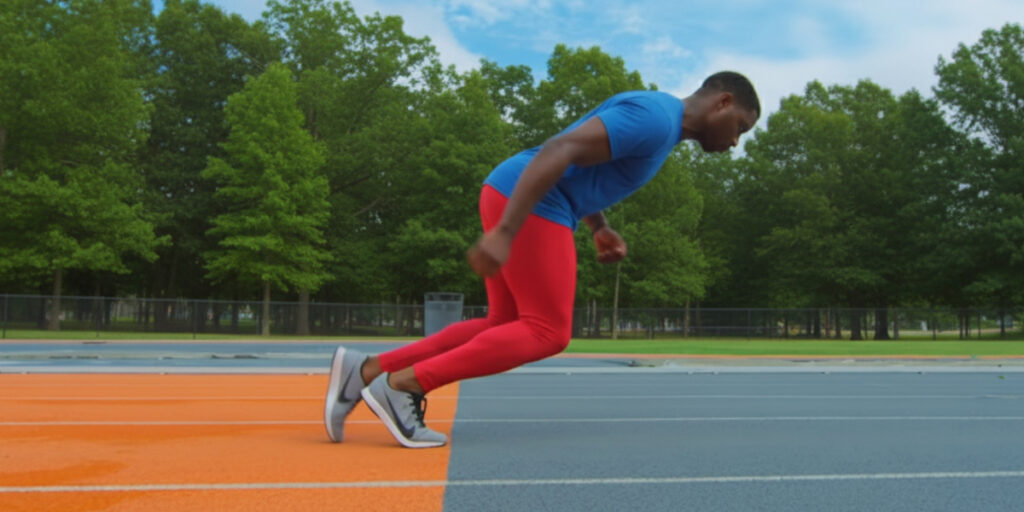
HOW TO MAXIMIZE YOUR BLOCK STARTS

Run faster with proper sprinting technique. In order to maximize speed at the start of the race, you need to learn how to properly perform block starts. When done correctly, blocks starts are the best platform to apply maximum force in order to overcome inertia. This post looks at how to properly work your way down from a 3 point start to achieving the hard post and triple extension out of the blocks.

Track and field, Biomechanics, Kinesiology

HOW TO DEVELOP PROPER SPRINTING POSTURE: THE HARD POST

Run faster with proper sprinting posture and technique. In order to maximize speed you have to be able to apply maximum force to the ground. This post addresses some of the biggest mistakes made by sprinters and coaches (i.e. staying low and breaking at the waist). In it, I show you based on the teachings of coach Karim Abdel Wahab how to develop proper posture (the hard post) and demonstrate one of the first sprinting drills to achieve this. Finally, you can read Olympian Jeremy Dodson´s insight into developing proper posture and the hard post to maximize speed.

Track and field, Biomechanics, Exercise physiology

DO YOU HAVE THE RIGHT BODY TO BE FAST?

Do you have the right body to be fast?  The hard truth is your parents set your speed potential. We know that’s not some hot take. Everyone points it out all the time. But what are the specific physical traits that are supposed to make you fast? Scientists have measured it  all: leg length, muscle fibers, bone structure,  and even the so-called speed gene. So, let’s find out if you have what it takes to be fast.

Track and field, Biomechanics

SPRINT AND JUMP LIKE A PRO: THE KEY DIFFERENCES BETWEEN SPEED AND POWER

Many athletes don’t understand the difference between force, power, and speed, and how to apply these concepts to their performance. Next, you’ll learn how to master the art of power and force and take your sprint and jump performance to new heights. This applies to sprinters, jumpers and even multi directional athletes. In this post I teach you based on the teachings of the former world record holder Willie Banks the difference between speed and power and how to develop force when sprinting. You’ll also learn some key drills that help athletes understand how power and force influence performance on the track or field.

Track and field, Kinesiology, Physical preparation

5 CORE EXERCISES TO TAKE YOUR JUMPING AND SPRINTING TO THE NEXT LEVEL

If you want to improve your jumps and become a faster, more injury-proof athlete, this core workout is a must-do. In this post we´re going to break down coach Ryan Baily´s top five core strength exercises that his track and field athletes do every day. If you are neglecting to train your core, your athletic performance is suffering. Core strength and stability are often overlooked in training for the long jump, high jump, triple jump, and sprinting events in track and field. To sprint fast, you have to master the hard post. This is impossible without a strong core. To jump high or far, you have to engage your hips. You can’t do this without solid core stability.

Track and field, Kinesiology

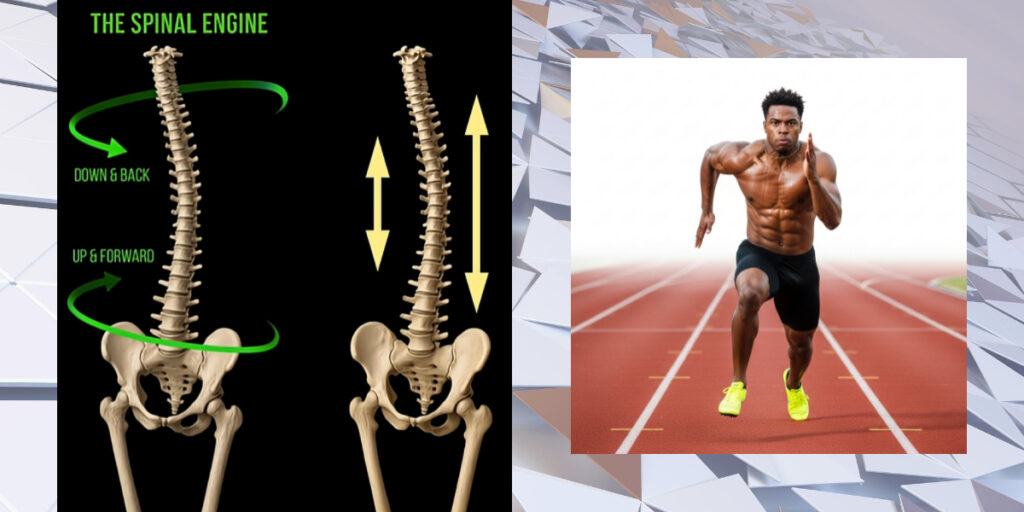
HOW THE SPINAL ENGINE IMPACTS SPEED AND POWER

Tony Holler is a track and field coach and a football and basketball physical trainer. He works at Plainfield North High School. He is also a member of the Illinois Track & Field Hall of Fame and co-director of the Track Football Consortium with Chris Korfist. Tony Holler is the author of the “Feed the Cats” training method. In this post, you’ll learn the basics of a new, established, and revolutionary concept called “the spinal engine”. You will also understand its importance in certain movement patterns such as running and sprinting.

Track and field, Biomechanics, Kinesiology

CAN THE TOE DRAG IN SPRINT STARTS MAKE YOU FASTER?

Does the toe drag make you faster and should you use it to improve your speed? In this post you’ll learn:
What the toe drag is (and why most sprinters get it wrong).
Why and when it’s used by olympic sprinters.
Some tips that will help you decide if you should implement the toe drag technique into your sprint training.
The toe drag is all about low heel recovery. You may have seen athletes like Usain Bolt and Asafa Powell performing a toe drag in their warm up. What’s good for them is good for the rest of us mere mortal sprinters, right? As with most things in track and field, it’s not that simple. In this post we break down from the perspective of Olympic sprint coach Ken Harnden why the toe drag isn’t as straightforward as many people make it out to be, and provide some pointers on how to properly implement this technique into your starts.

Track and field, Biomechanics, Kinesiology

THE FASTEST WAY TO IMPROVE YOUR SPRINTING MECHANICS

If you want to run faster, you have to apply more force down to the ground. One of the best ways to maximize your force production is to develop great frontside mechanics. So what are frontside mechanics? How are they different from backside mechanics? Can you gain one and lose another? Which one do you want? What does  that all mean and how does it relate to speed? So what I want to do with this post is give a good overview of what frontside and backside mechanics are, and why they’re important. Then we’re going to give you some really great drills that you can do to develop your frontside mechanics.

Track and field, Biomechanics, Kinesiology

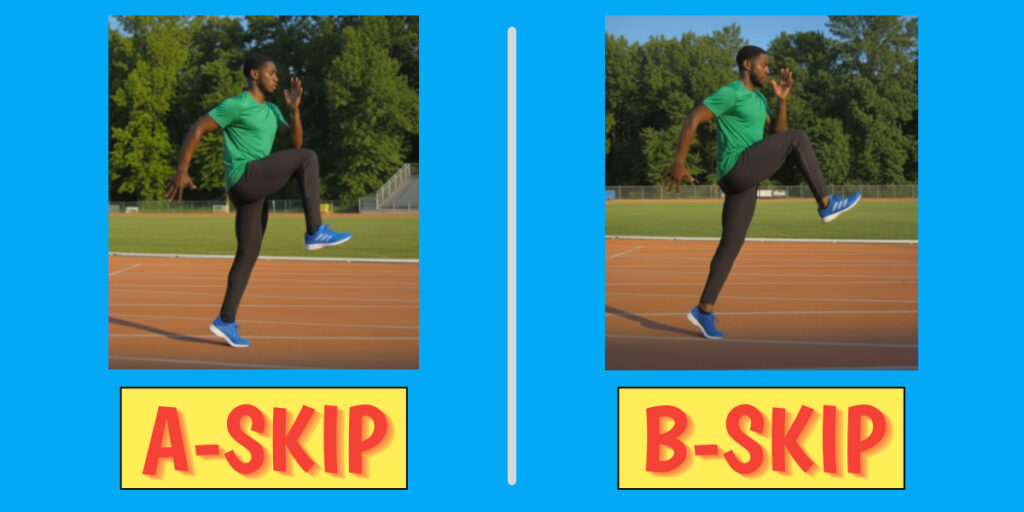
A-SKIP vs B-SKIP: THE KEY DIFFERENCES YOU NEED TO KNOW

What are the key differences between the A-Skip and the B-Skip? Former Olympian and world record holder Wille Banks has all the answers. Whether you’re a sprinter or a jumper, these drills are essential for developing proper ground contact and technique. Most coaches focus on the leg action, but the real key to sprinting faster is applying the maximum amount of force down to the ground. The fastest sprinters on the planet produce 5 times more vertical force into the ground compared to slower ones. By learning how to perform A-Skips and B-Skips correctly, you’ll be able to develop your vertical force and ultimately improve your speed.

Scroll to Top