Physical preparation

Track and field, Physical preparation, Situational sports

THE 10 DON´TS OF SPEED TRAINING

Here are the 10 don´ts of speed training by coach Tony Holler, the autor of the “Feed the Cats” program.
1. Don´t see speed as purely genetic and immutable. There´s a saying that God creates sprinters and coaches create milers. That´s wrong.
2. Don´t sprint without getting timed. If you ain´t getting timed, you ain´t sprinting.
3. Don´t dismiss linear speed. There´s nothing more extreme in human movement than sprinting in spikes in a straight line and getting timed.
4. Don´t forget to record, rank and publish. It is truly the food of cats.
5. Don´t speed train in a state of fatigue. If you do, you will never push the central nervous system (CNS).
6. Don´t sprint for more than 5 seconds. Anything you do more than 5 seconds is working on something other than speed.
7. Don´t view speed through a muscular lens. Try to see speed through an electrical lens. Speed is controlled by the central nervous system (CNS).
8. Don´t spend the off-season working on aerobic stuff. If you do, you´ll never get faster. Instead, stack together high level anaerobic work for an aerobic benefit.
9. Don´t ignore max velocity. Too many coaches want to work purely on acceleration. Acceleration does not improve speed, but max velocity improves acceleration.
10. Don´t burn the steak and, of course, feed the cats.
Physical preparation, Basketball, Situational sports, Sports training

“FEED THE CATS” BASKETBALL PROGRAM

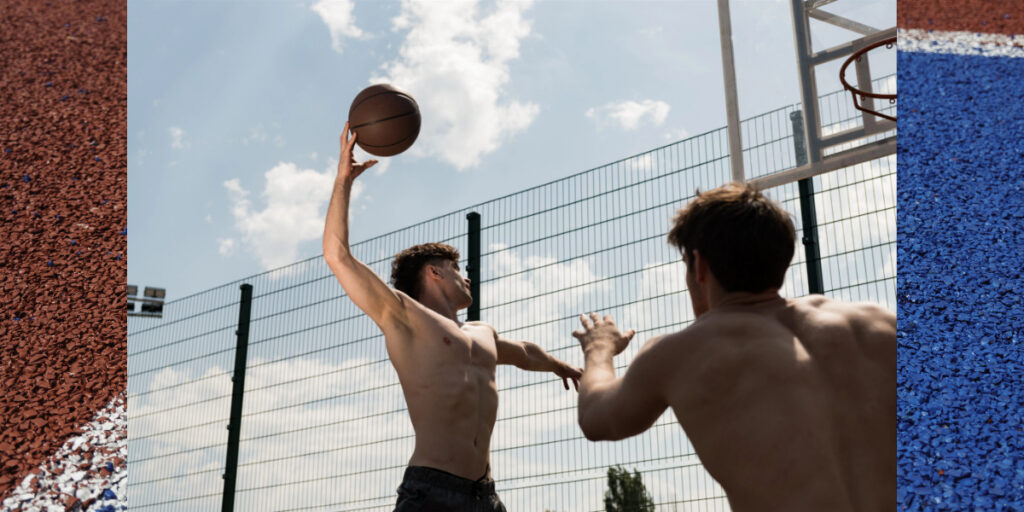
Coach Tony Holler is knowed as a sprint coach and track coach, and the “Feed the Cats” program. “Feed the Cats” has started to venture outward into other sports: lots of stuff right now on lacrosse and rugby, tons of stuff with football… But what about basketball? It´s something coach Tony Holler knows a lot about because his dad was a basketball coach at the high school and college level for 47 years. Tony Holler played high school basketball for him. He also played college basketball. He really went into teaching with the idea that he was going to be a basketball coach, and he became the youngest head coach in the state of Illinois at the age of 23. Next I´m going to explain the way coach Tony Holler would see a “Feed the Cats” basketball program.

Weight training, Physical preparation, Weightlifting

WHEN SHOULD YOU ADD OLYMPIC LIFTS TO YOUR GYM WORKOUTS?

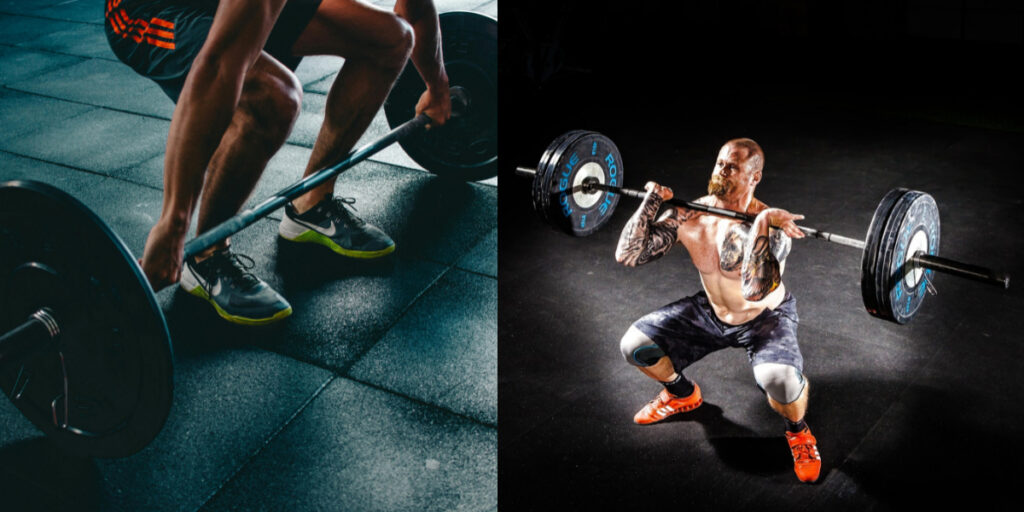
In the Starting Strength programming we use versions of the Olympic lifts and they’re very important to the program. But a lot of people figure out a way to get out of having to do them. The reason they don’t want to do them is because they don’t know how. They haven’t figured out how to do them or their coach has not figured out how to coach them. So they just avoid them and do light deadlifts.

Track and field, Exercise physiology, Physical preparation

HOW SPEED TRAINING CAN IMPACT DISTANCE RUNNERS

According to coach Tony Holler, your body adapts to the specific stresses applied. For example:
If you properly train speed, your body will adapt to run faster.
If you properly train speed endurance, your body will adapt to run faster longer.
If you train long and slow, your body will adapt to run longer and slow.
Your body will only adapt to unaccustomed stimuli.
To improve your speed, you must train faster than your current maximum speed.
To run your race distance faster, you must train at paces faster than your current personal record (PR) in that event.
If you only train at paces at or slower than what you´ve already accomplished in your event, your body will not adapt to run faster.

Track and field, Physical preparation, Situational sports, Sports training

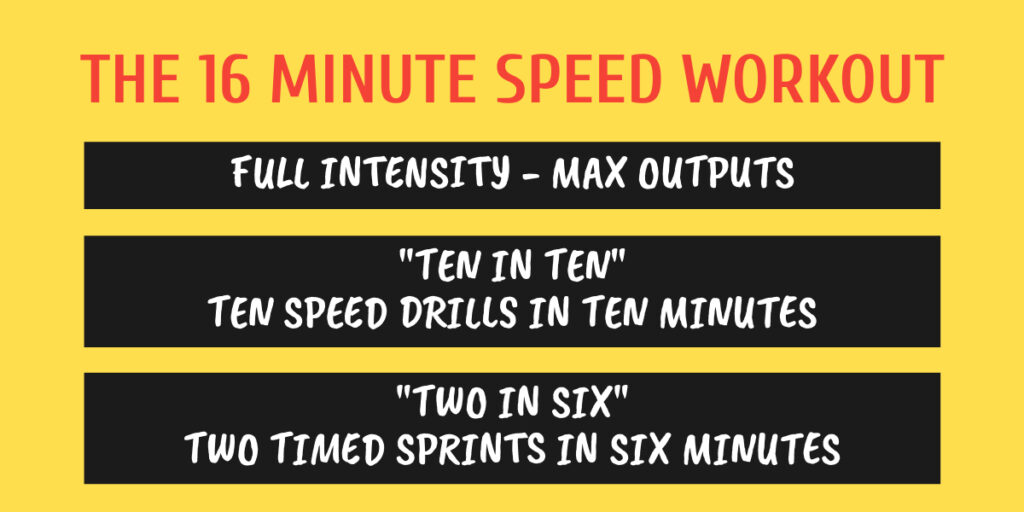
THE ATOMIC WORKOUT: ONLY 16 MINUTES OF SPEED TRAINING

Tony Holler is a track and field coach and a football and basketball physical trainer. He works at Plainfield North High School. He is also a member of the Illinois Track & Field Hall of Fame and co-director of the Track Football Consortium with Chris Korfist. Tony Holler is the author of the “Feed the Cats” training method. In this article, I’m going to show you how Tony Holler programs speed workouts with his high school athletes.

Weight training, Physical preparation

HOW TO STRENGTHEN THE START OF THE PULL WITH HALTING DEADLIFTS

In the last post we talked about the rack pull. The rack pull and the halting deadlift are two very important assistance exercises for the full deadlift for more advanced lifters who are pulling heavy weights already. The advantage of using these two instead of just the deadlift is that at very very heavy weights the full deadlift becomes extremely difficult to recover from if you use enough volume to really ramp up the stress. So what we do is we break it into two parts. We do the the first half of it, really about the first 2/3 of it off the floor. We call that the halting deadlift. And then there´s the rack pull, which is the top 2/3 of it from below the knee. We’re going to talk about the halting deadlift today.

Weight training, Physical preparation

EVERYTHING YOU NEED TO KNOW ABOUT THE RACK PULL: WHY, WHEN, AND HOW

There are two primary assistance exercises for the deadlift. When we say assistance exercises in in this context, we’re talking about pieces of the full deadlift that have been pulled out of the deadlift and exercised separately. The first is the rack pull which is the top 2/3 of the pull, and the second is the halting deadlift which is the bottom 2/3 of the pull. We’ll deal with the halting deadlift in another post. Today we’re going to talk about the rack pull.

Track and field, Physical preparation, Situational sports, Sports training

“FEED THE CATS”: TONY HOLLER´S TRAINING PHILOSOPHY THAT WILL HELP IMPROVE YOUR SPEED

Tony Holler is a track and field coach and a football and basketball physical trainer. He works at Plainfield North High School. He is also a member of the Illinois Track & Field Hall of Fame and co-director of the Track Football Consortium with Chris Korfist. Tony Holler is the author of the “Feed the Cats” training method, the fundamentals of which we will explain below.

Weight training, Physical preparation

WHEN CAN YOU START DOING HALTING DEADLIFTS AND RACK PULLS IN YOUR STRENGTH TRAINING?

The Starting Strength method is famous for its utilization of just the basic barbell exercises: the squat, the press, the bench press, the deadlift and the power clean. But circumstances usually later in a person’s training history sometimes dictate that the deadlift becomes replaced with two other exercises that essentially cover that range of motion, but allow the use of heavier weights. Those two exercises are the rack pull, from below the knee, and the halting deadlift, which is pulled from the floor to just above the knee. So that combining these two movements results in an overlap of about 6 inches in the middle of the pull.

Weight training, Health, Injuries and rehabilitation, Physical preparation

HOW SHOULD YOU WARM UP FOR PULL UPS OR CHIN UPS?

Pull ups and chin ups are a strength exercise performed with one’s own body weight that should be included in any athlete’s strength training, regardless of whether they train for competitive purposes or to improve and maintain physical fitness. This fabulous self-loading exercise helps us strengthen our back, improve our body posture and develop general strength levels, especially in the upper body.

Scroll to Top