Physical preparation

JUMP HIGHER WITH PLYOMETRIC TRAINING DESIGNED BY HORACIO ANSELMI

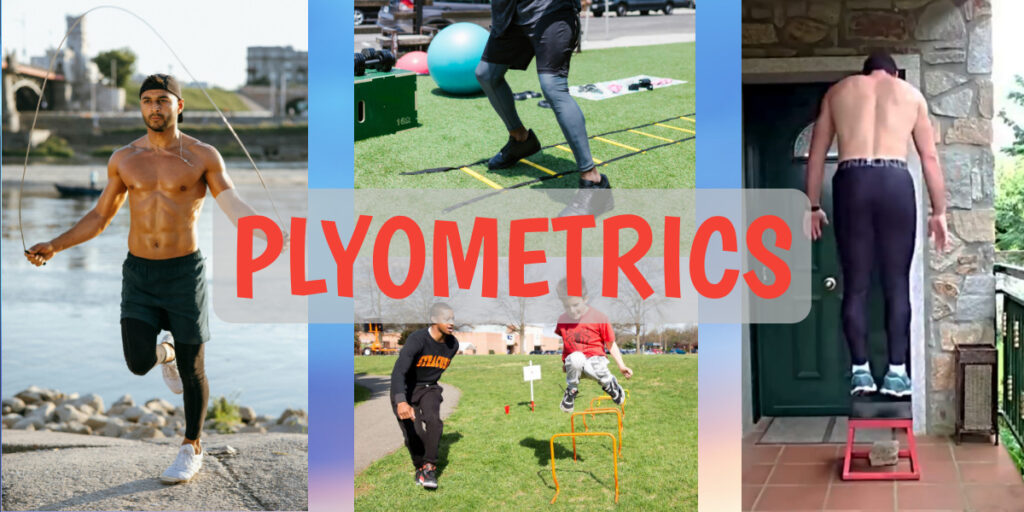
Horacio Anselmi is a prominent Argentine physical trainer and high-performance coach with over four decades of experience in national and international sports. Below, I’ll show you the system he designed for training plyometrics in a structured and organized manner, with the goal of developing and improving the reactive strength of any athlete. At the end, you’ll find the pros and cons I consider the Anselmi´s method has.

Health, Food

LEARNING HEALTHY HABITS WITH PHIL HUGO

In this post, I want to highlight a very interesting episode of the Wall Street Wolverine podcast, which I recommend you follow because they typically interview very unique people from whom you learn a lot. In this case, the guest is Phil Hugo, a pharmacist and expert in nutrition and health habits. The first time I listened to this interview, I learned a lot from it, and almost a year later, I felt compelled to listen to it again to review it and share with you all the information I will share below. It’s worth noting that everything I’m about to share related to nutrition and health concerns both the general population and those of us who are passionate about athletic performance. We can’t forget that having good health habits is part of what is known as “invisible training”, which helps us prevent injuries and illnesses and also help us enjoy a longer athletic career, performing at the highest level.

Weight training, Physical preparation

LEARN TO DO THE BASIC LIFTS OF THE STARTING STRENGTH PROGRAM (PART 2)

Mark Rippetoe is the author of the Starting Strength method. This strength training method is the most succesfull way to increase your strength levels, and it’s suitable for all audiences: children, adults, and seniors; men and women; and those with fitness goals or those looking to improve athletic performance. It’s important to mention that for performance athletes, this is probably the best method for improving basic strength levels during their general physical conditioning period and during their off-season.

Weight training, Physical preparation

LEARN TO DO THE BASIC LIFTS OF THE STARTING STRENGTH PROGRAM (PART 1)

Mark Rippetoe is the author of the Starting Strength method. This strength training method is the most succesfull way to increase your strength levels, and it’s suitable for all audiences: children, adults, and seniors; men and women; and those with fitness goals or those looking to improve athletic performance. It’s important to mention that for performance athletes, this is probably the best method for improving basic strength levels during their general physical conditioning period and during their off-season.

Track and field, Biomechanics

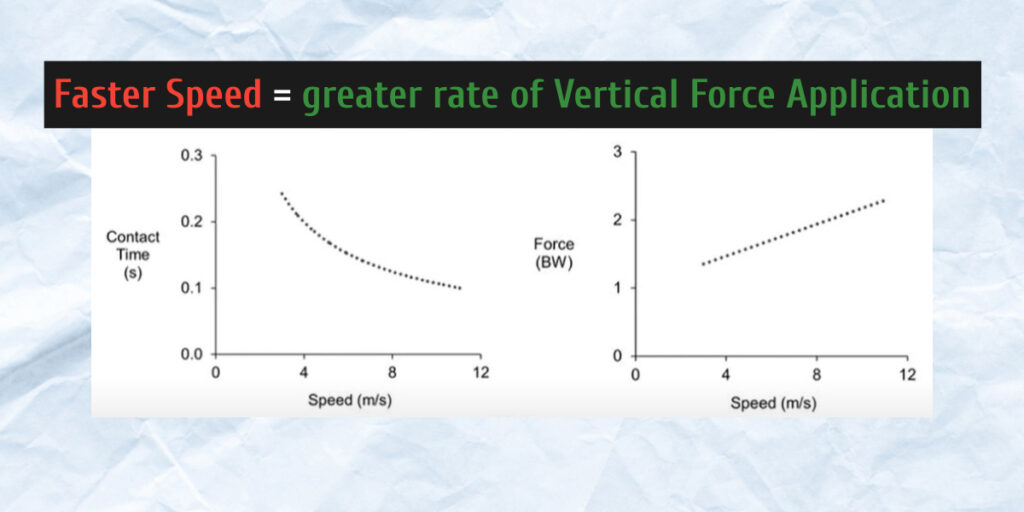
GROUND CONTACT TIME AND VERTICAL FORCE

According to Dr. Ken Clark, every step you sprint from acceleration all the way through the end of a 100 meters or 200 meters, or you name it, you need to apply enough vertical impulse. Impulse is the product of force and time. It’s force applied for a period of time. You need to apply enough vertical impulse to support your body weight, so you don’t crash, and to lift your center of mass (COM) into the next step.

Track and field, Physical preparation, Situational sports

THE 10 DON´TS OF SPEED TRAINING

Here are the 10 don´ts of speed training by coach Tony Holler, the autor of the “Feed the Cats” program.
1. Don´t see speed as purely genetic and immutable. There´s a saying that God creates sprinters and coaches create milers. That´s wrong.
2. Don´t sprint without getting timed. If you ain´t getting timed, you ain´t sprinting.
3. Don´t dismiss linear speed. There´s nothing more extreme in human movement than sprinting in spikes in a straight line and getting timed.
4. Don´t forget to record, rank and publish. It is truly the food of cats.
5. Don´t speed train in a state of fatigue. If you do, you will never push the central nervous system (CNS).
6. Don´t sprint for more than 5 seconds. Anything you do more than 5 seconds is working on something other than speed.
7. Don´t view speed through a muscular lens. Try to see speed through an electrical lens. Speed is controlled by the central nervous system (CNS).
8. Don´t spend the off-season working on aerobic stuff. If you do, you´ll never get faster. Instead, stack together high level anaerobic work for an aerobic benefit.
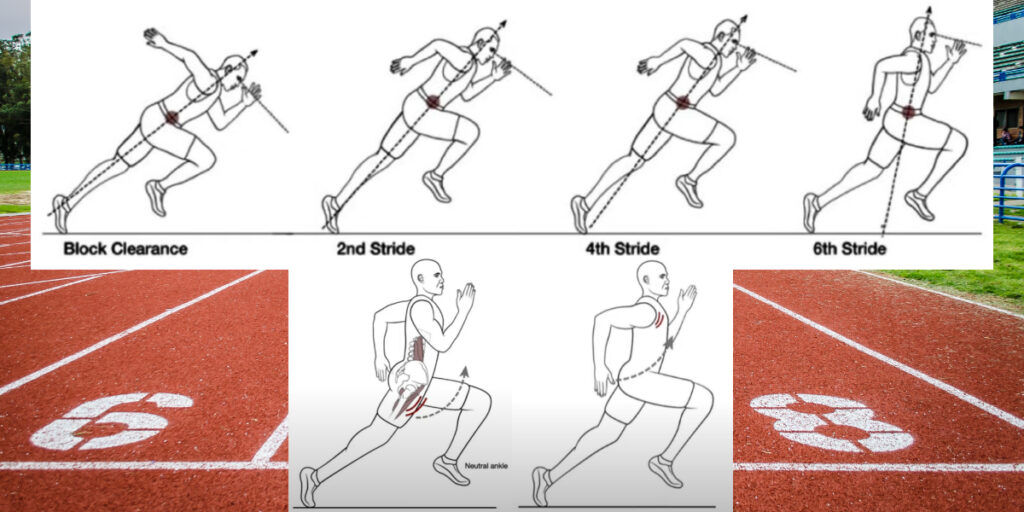
9. Don´t ignore max velocity. Too many coaches want to work purely on acceleration. Acceleration does not improve speed, but max velocity improves acceleration.
10. Don´t burn the steak and, of course, feed the cats.

Physical preparation, Basketball, Situational sports, Sports training

“FEED THE CATS” BASKETBALL PROGRAM

Coach Tony Holler is knowed as a sprint coach and track coach, and the “Feed the Cats” program. “Feed the Cats” has started to venture outward into other sports: lots of stuff right now on lacrosse and rugby, tons of stuff with football… But what about basketball? It´s something coach Tony Holler knows a lot about because his dad was a basketball coach at the high school and college level for 47 years. Tony Holler played high school basketball for him. He also played college basketball. He really went into teaching with the idea that he was going to be a basketball coach, and he became the youngest head coach in the state of Illinois at the age of 23. Next I´m going to explain the way coach Tony Holler would see a “Feed the Cats” basketball program.

Track and field

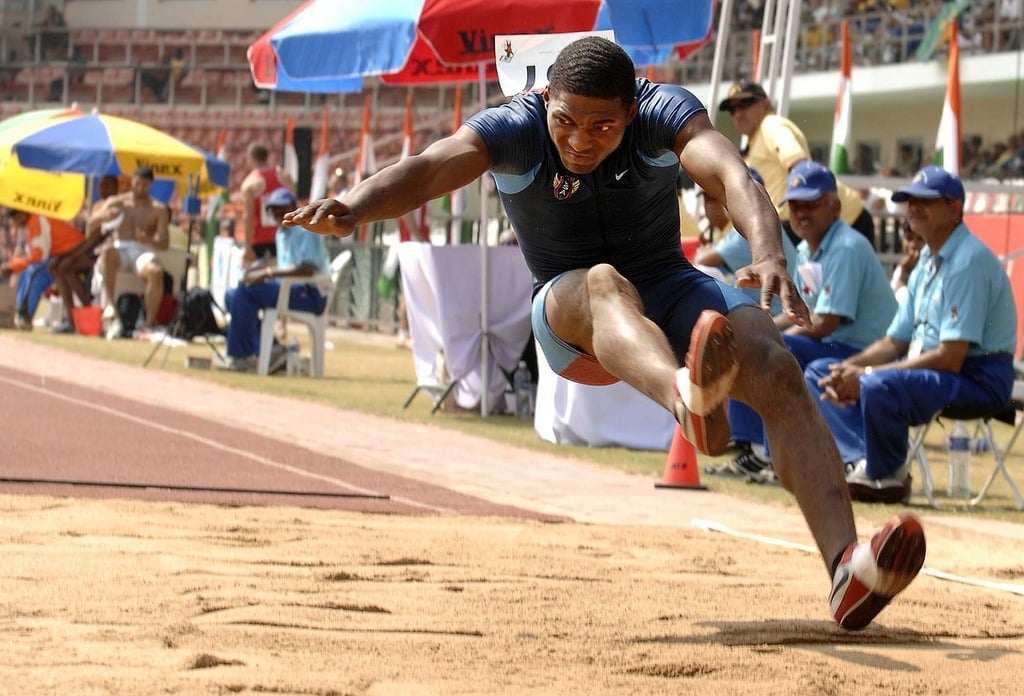
HOW TO TRAIN THE HORIZONTAL JUMPS: LONG JUMP AND TRIPLE JUMP

According to coach Justin Kinseth, jumping is the glue between those football players and those track athletes, knowing that you can have a field event on the in between that can be able to provide both. You´re getting great plyometric work in, you´re sprinting… The long jump and triple jump is such an athletes and athletic movement, and also where a football player can delve into and feel like they can be a part of that program even more.

Scroll to Top