Author name: Hugo Noya Enríquez

Track and field, Biomechanics

SPRINT AND JUMP LIKE A PRO: THE KEY DIFFERENCES BETWEEN SPEED AND POWER

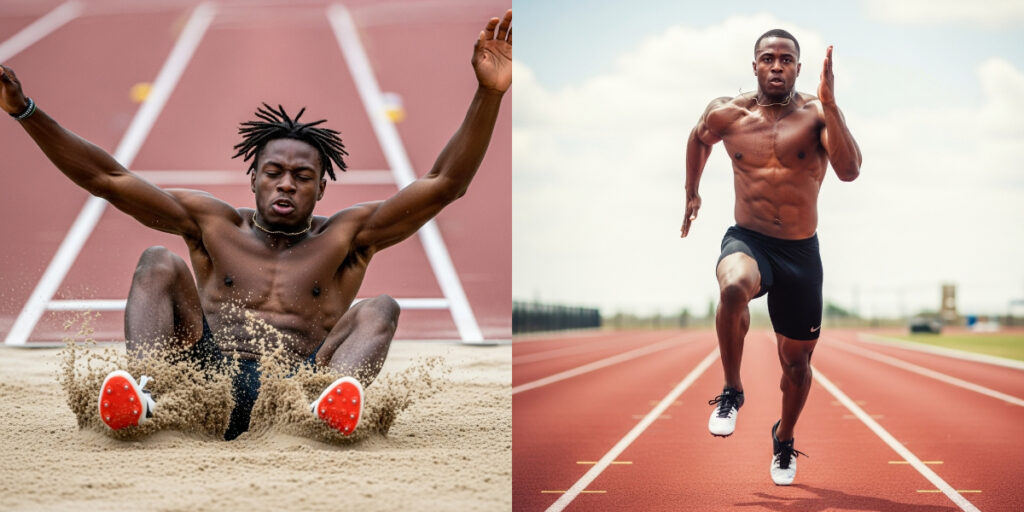
Many athletes don’t understand the difference between force, power, and speed, and how to apply these concepts to their performance. Next, you’ll learn how to master the art of power and force and take your sprint and jump performance to new heights. This applies to sprinters, jumpers and even multi directional athletes. In this post I teach you based on the teachings of the former world record holder Willie Banks the difference between speed and power and how to develop force when sprinting. You’ll also learn some key drills that help athletes understand how power and force influence performance on the track or field.
Track and field, Kinesiology, Physical preparation

5 CORE EXERCISES TO TAKE YOUR JUMPING AND SPRINTING TO THE NEXT LEVEL

If you want to improve your jumps and become a faster, more injury-proof athlete, this core workout is a must-do. In this post we´re going to break down coach Ryan Baily´s top five core strength exercises that his track and field athletes do every day. If you are neglecting to train your core, your athletic performance is suffering. Core strength and stability are often overlooked in training for the long jump, high jump, triple jump, and sprinting events in track and field. To sprint fast, you have to master the hard post. This is impossible without a strong core. To jump high or far, you have to engage your hips. You can’t do this without solid core stability.

Track and field, Kinesiology

HOW THE SPINAL ENGINE IMPACTS SPEED AND POWER

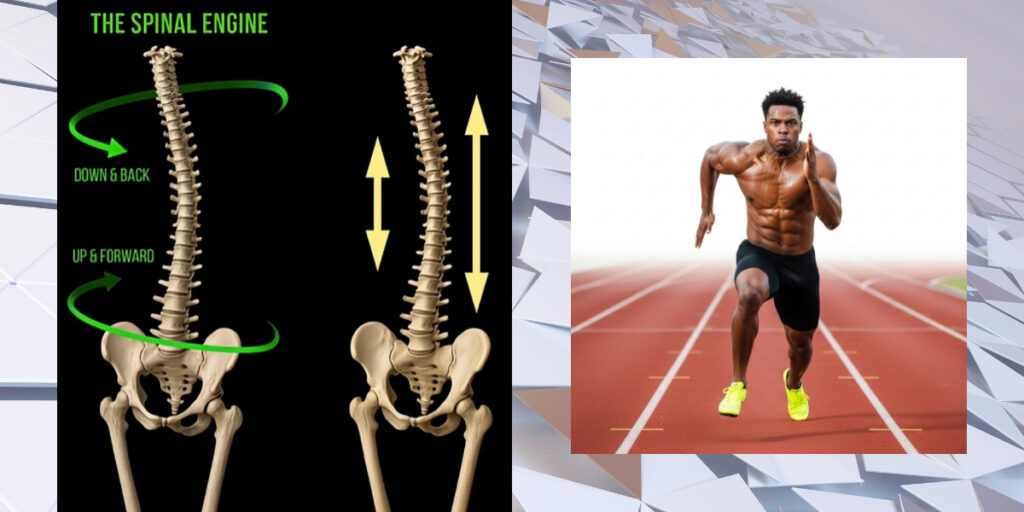
Tony Holler is a track and field coach and a football and basketball physical trainer. He works at Plainfield North High School. He is also a member of the Illinois Track & Field Hall of Fame and co-director of the Track Football Consortium with Chris Korfist. Tony Holler is the author of the “Feed the Cats” training method. In this post, you’ll learn the basics of a new, established, and revolutionary concept called “the spinal engine”. You will also understand its importance in certain movement patterns such as running and sprinting.

Track and field, Biomechanics, Kinesiology

CAN THE TOE DRAG IN SPRINT STARTS MAKE YOU FASTER?

Does the toe drag make you faster and should you use it to improve your speed? In this post you’ll learn:
What the toe drag is (and why most sprinters get it wrong).
Why and when it’s used by olympic sprinters.
Some tips that will help you decide if you should implement the toe drag technique into your sprint training.
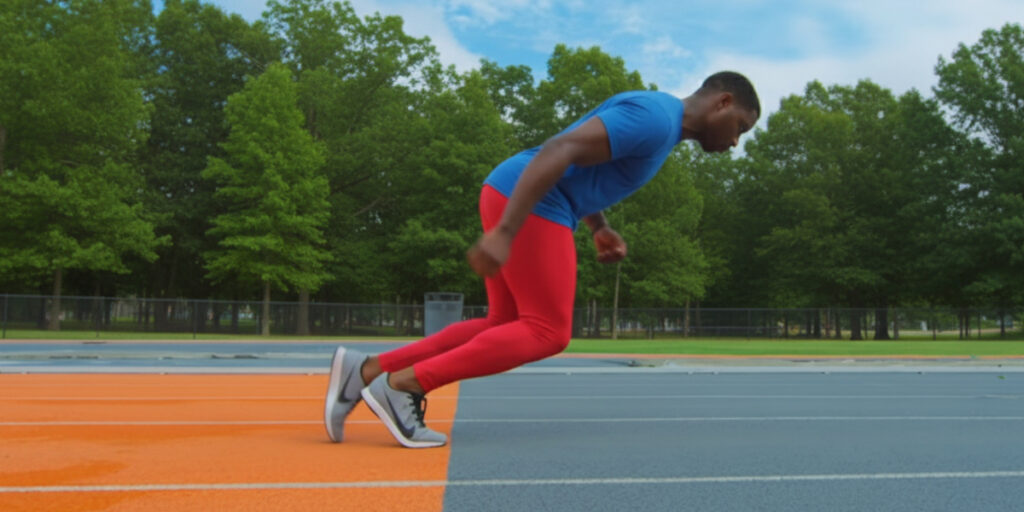
The toe drag is all about low heel recovery. You may have seen athletes like Usain Bolt and Asafa Powell performing a toe drag in their warm up. What’s good for them is good for the rest of us mere mortal sprinters, right? As with most things in track and field, it’s not that simple. In this post we break down from the perspective of Olympic sprint coach Ken Harnden why the toe drag isn’t as straightforward as many people make it out to be, and provide some pointers on how to properly implement this technique into your starts.

Track and field, Biomechanics, Kinesiology

THE FASTEST WAY TO IMPROVE YOUR SPRINTING MECHANICS

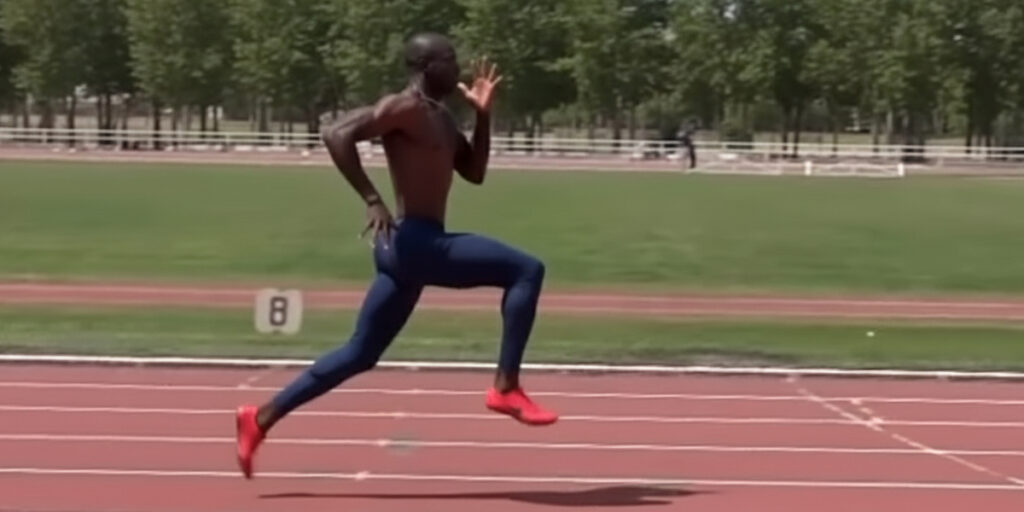
If you want to run faster, you have to apply more force down to the ground. One of the best ways to maximize your force production is to develop great frontside mechanics. So what are frontside mechanics? How are they different from backside mechanics? Can you gain one and lose another? Which one do you want? What does  that all mean and how does it relate to speed? So what I want to do with this post is give a good overview of what frontside and backside mechanics are, and why they’re important. Then we’re going to give you some really great drills that you can do to develop your frontside mechanics.

Track and field, Biomechanics, Kinesiology

A-SKIP vs B-SKIP: THE KEY DIFFERENCES YOU NEED TO KNOW

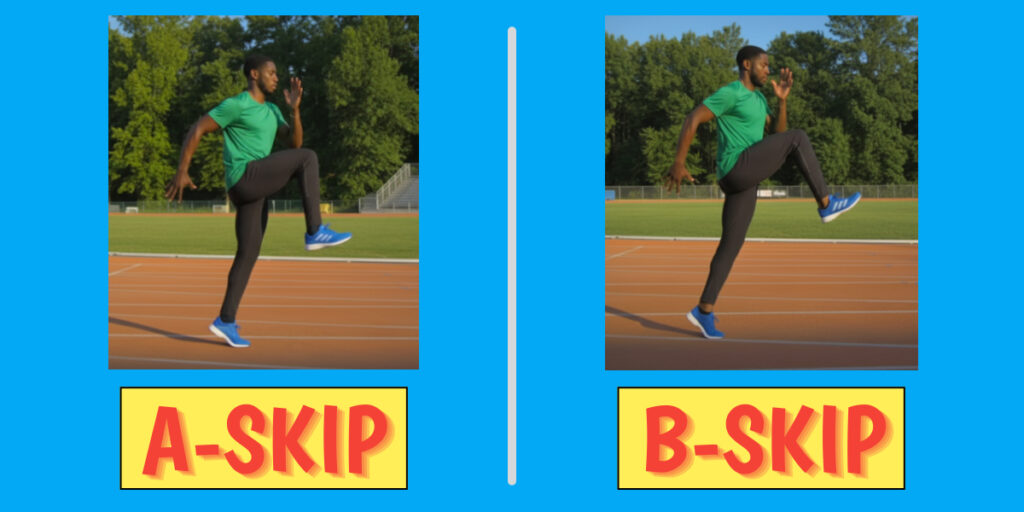
What are the key differences between the A-Skip and the B-Skip? Former Olympian and world record holder Wille Banks has all the answers. Whether you’re a sprinter or a jumper, these drills are essential for developing proper ground contact and technique. Most coaches focus on the leg action, but the real key to sprinting faster is applying the maximum amount of force down to the ground. The fastest sprinters on the planet produce 5 times more vertical force into the ground compared to slower ones. By learning how to perform A-Skips and B-Skips correctly, you’ll be able to develop your vertical force and ultimately improve your speed.

Weight training

HOW TO WARMUP FOR BARBELL TRAINING

We’re going to explain about how to warm up during the Starting Strength novice linear progression. We have to know the difference between work sets and warm-up sets. Work sets are done for the stress that we’re going to apply for today’s workouts. An example might be 200 lb for 3 sets of 5. That is the goal today when we come into the gym. But we’re not going to walk into the gym and just load 200 pounds on the bar. We’re gonna go through a logical warm-up that gets us ready for the workout that we’re gonna do.

Track and field, Biomechanics, Kinesiology

WHY IS STRIDE LENGTH SUCH A BIG DEAL IN SPRINTING?

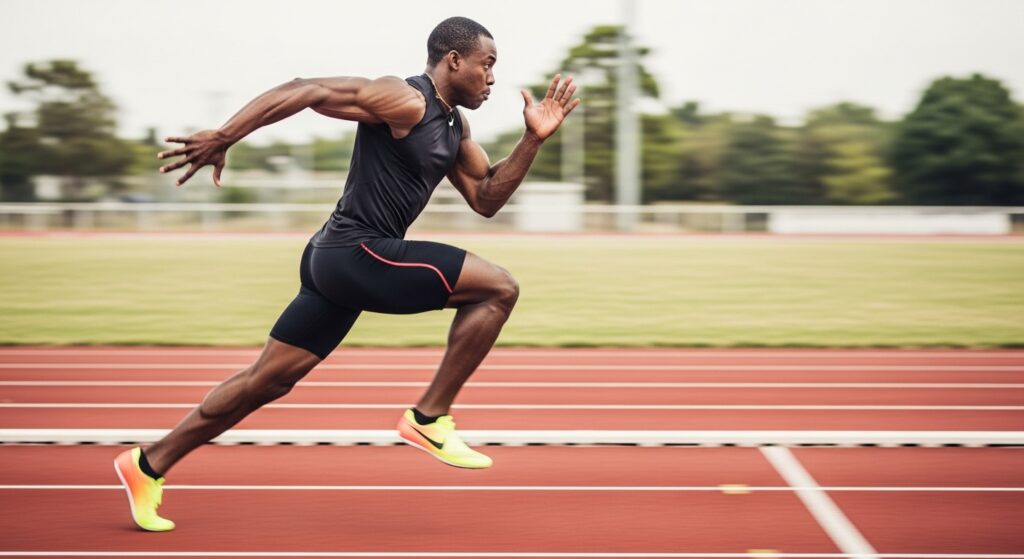
Stride length significantly impacts sprinting speed. However, there is a right way and a wrong way to increase your stride length. The world’s fastest athletes distinguish themselves by having longer strides compared to their slower counterparts. But it’s not because they actively try to lengthen each stride. It all comes down to force production. In this post, you’ll gain insights into how top-tier sprinters achieve their impressive stride length. You’ll also learn what not to do – avoid extending your stride by casting your foot outward or over-striding. Additionally, we’ll cover essential measurements that enable you to determine your optimal stride length based on specific measurements of your leg length.

Weight training

DON´T GIVE UP ON THE PRESS

In this post, I´m going to discuss how to use the hips and torso in a press without the bounce – sometimes called “Press 1.0” – for lifters who are unable to incorporate the dynamic start. This explanation comes from the Starting Strength Coach Andrew Lewis.
The correct use of the press incorporates a layback, the hip in motion, and a bounce that comes from the tightness of the abs and the knee muscles. It’s not from the knees bending. It’s from the quads being so tight that the knees are kept straight as you bounce your hips in. It also gets your face out of the way and allows you to press in a vertical bar path.

Gymnastics and calisthenics

LEARN THE HEADSTAND SAFELY IN 10 STEP SEQUENCE

Unlock the foundation of balance and control with this 10-step headstand sequence established by Carl Paoli. This post breaks the headstand down into clear, simple steps. So anyone can learn safely, build confidence, and improve body awareness. You’ll learn how to set your hands, place your head, engage your core, lift your hips, find your balance point, and reverse the movement smoothly.

Scroll to Top