
Ground contact time
-

In this post I highlight based on the opinion of Olympic coach Karim Abdel Wahab, some of the key differences and similarities between the 100m and 400m when it comes to sprinting technique. Studies have shown that the 400m runners whose technique is closest to 100m runners are the fastest. Topics covered include knee drive,…
-

Learn how to sprint faster with proper ground contact and force application. One of the biggest misconceptions out there is how the foot strikes the ground (it’s not on the toe and not on the heel). This post covers where the foot strikes the ground and why that is important for force application and speed…
-
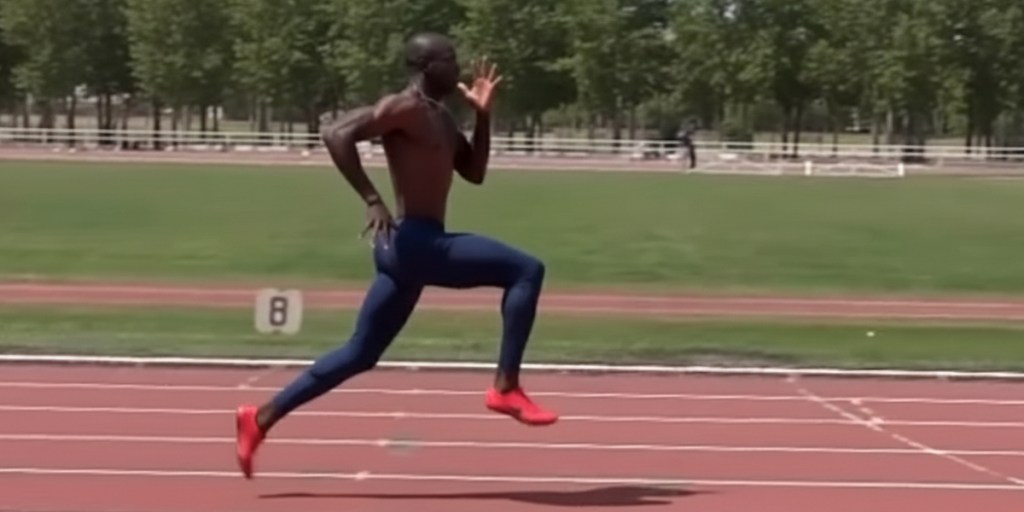
If you want to run faster, you have to apply more force down to the ground. One of the best ways to maximize your force production is to develop great frontside mechanics. So what are frontside mechanics? How are they different from backside mechanics? Can you gain one and lose another? Which one do you want? What does that all…
-

What are the key differences between the A-Skip and the B-Skip? Former Olympian and world record holder Wille Banks has all the answers. Whether you’re a sprinter or a jumper, these drills are essential for developing proper ground contact and technique. Most coaches focus on the leg action, but the real key to sprinting faster…
-
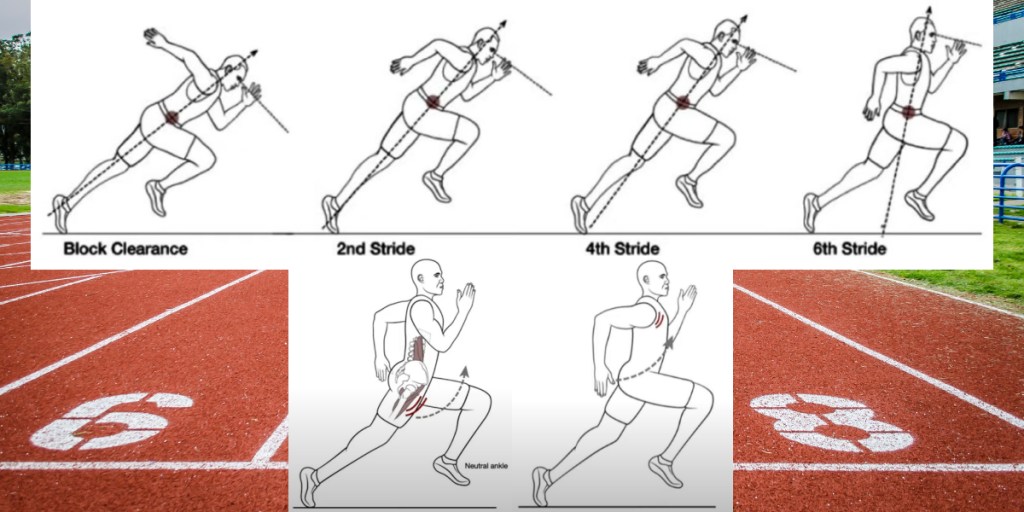
Below, you´ll read an analysis by coach Tony Holler, author of the “Feed the Cats” program, on the mechanics of the acceleration and max velocity phases of a sprint. You’ll also learn about the most common mistakes people make and several exercises to help you overcome them.
-
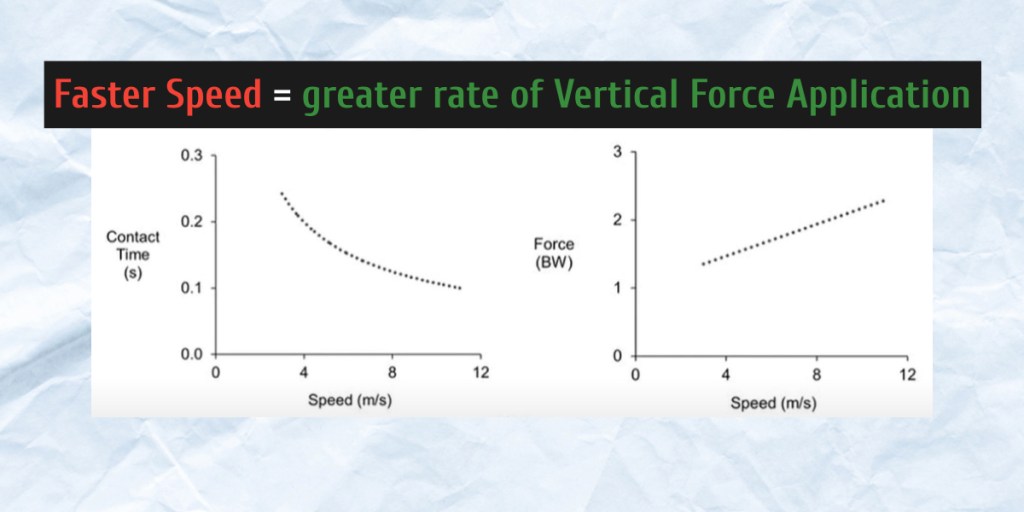
According to Dr. Ken Clark, every step you sprint from acceleration all the way through the end of a 100 meters or 200 meters, or you name it, you need to apply enough vertical impulse. Impulse is the product of force and time. It’s force applied for a period of time. You need to apply…
 ATLETA EXPLOSIVO