
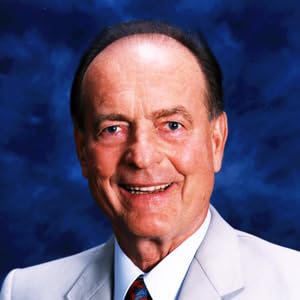
As of the date I am writing this post, it has been more than a year since Michael Yessis, a great authority in sports science, passed away. It was on September 15, 2023 when he left this world and left us orphans who learned from the methodology and work he has been developing throughout his life dedicated to both research and training with athletes of different levels and sports. It was not until the spring of the following year when I found out about his death. It was sad news for me, although not unexpected because I knew it could happen at any time due to his advanced age. 91 years of life is not bad at all.
For those who don’t know Dr. Yessis, he was a great kinesiologist and biomechanist who dared to question many erroneous ways of training that are widespread in sports and that coaches or physical trainers often apply to their athletes simply because it has always been done that way or because it is fashionable, without seriously considering scientific reasoning. Unfortunately, this panorama has not changed much today and there are few coaches and athletes who do act trying to find logic in what they do.
One of the feats in which Michael Yessis has also stood out and contributed greatly to the advancement of sports science is that he was the one who introduced the plyometric method in the United States, a primary training methodology for improving reactive strength levels. Without a doubt, something essential to perform many of the sports skills with greater explosiveness. During the 70s and 80s of the 20th century, the former Soviet Union dominated the medal tables at the Olympic Games. Dr. Yessis was struck by the fact that Soviet athletes used to make jumps with very characteristic peculiarities in the warm-up before preparing to compete in their event. Although born in the United States, he was of Russian origin since his parents emigrated from that country and he also knew how to speak the language. That is why he made the decision to travel to the Soviet Union and establish contacts with several Soviet sports scientists such as Anatoliy Bondarchuk, Vladimir Issurin and, above all, Yuri Verkhoshansky, with whom he forged a great friendship. The latter was the creator of the shock or impact method, later known as plyometrics. Dr. Yessis obtained permission to translate into English many of the works of all these sports scientists who became eminent in their field.
Unlike the Western bloc, behind the Iron Curtain a scientific approach was adopted when it came to programming and planning sports training. While in North America it was always believed that sports talents are born with their abilities, the Soviets adopted a different approach. While in the USA, due to the fact that it had many inhabitants, including black people, who are more genetically predisposed to excel in sports, it was easy to obtain many talented athletes. In contrast, the Soviet Union had a smaller population and this made it difficult to find a large number of young natural talents. During the first half of the 20th century, the Soviet Union was not a power that stood out in sports results, but rather was mediocre. It was from the 1950s onwards that it began to make a great leap and take off in sports competitions. This was thanks to a paradigm shift in which they were forced to build athletes from scratch based on science, studying the technical models that most efficiently and effectively fit the movements of each sport. They also investigated training methods and session planning to achieve the best results in competitions.
Dr. Yessis learned a lot from Soviet scientists and helped to educate them about the way of training in the Eastern bloc. He adopted the same scientific mentality and thus became known as the great kinesiologist and biomechanist when it came to analyzing the typical technical skills of each sport.
Personally, I also learned to see sport and training from a scientific perspective with Dr. Yessis. It was with him that I became interested in reading books on sports science and became interested in fields such as Kinesiology and Biomechanics. I read many of his books, which represented a paradigm shift when it came to training. Thanks to him, I was able to change my running technique from the post-cycle to the pre-cycle and I do active stretching, which is more effective than pasive stretching when warming up. I have learned a lot from this author, but if I had to highlight the most important things, it would be the following:
- The phases of the stride in running technique: knee drive, pawback and push off.
- The importance of active stretching to help activate the nervous system during warm-up, as opposed to pasive stretching which has the opposite effect.
- Contrary to popular belief, genetics are not everything when it comes to sports performance, but rather make up 30%. The other 70% is down to training, which is why it has much more weight in terms of success in sports. A person who is less genetically predisposed by training well can outperform another whose genetics play in his favour if the latter does not train or his training does not follow a correct approach. Genetics begins to gain relevance in elite sport, when athletes have already undergone the appropriate and more sophisticated training, those who stand out are those who have a genetic predisposition to sports talent. But no one who is born with the ideal genes is guaranteed success, but regardless of whether or not they have them, you have to train.
- The fact that for a jump to be considered plyometric, the contact of the feet against the ground must be fast and intense. If a jump does not meet these characteristics, it cannot be considered plyometric. And when programming this training method, never exceed 10 reps in a set of plyometric jumps to avoid producing fatigue in the nervous system, in addition to resting enough between sets and not doing too much volume per session and per week.
- Specific exercises that reproduce typical sports skills to help perfect technique while strengthening the muscle groups involved in that skill. These exercises are characterized by:
- They reproduce the same movement pattern and in the joint range in which it is carried out.
- They demand the same type of neuromuscular activation that occurs for their execution.
- They reproduce the same type of muscle contraction that occurs when doing that skill during competition.
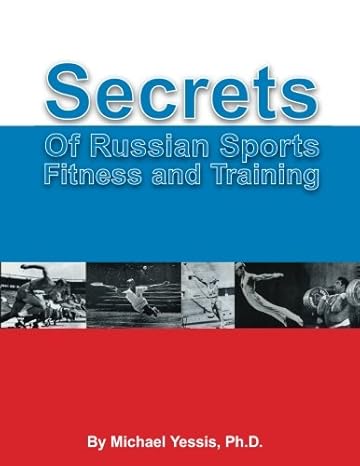
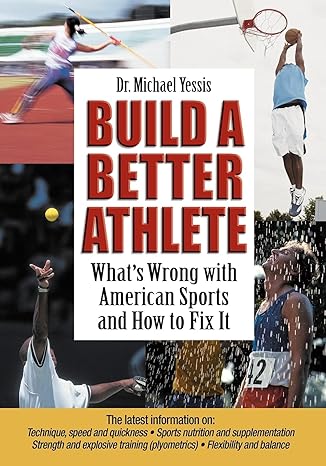
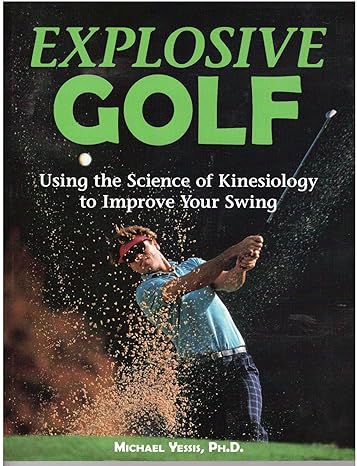
Michael Yessis was the author of 16 books and published over 2,000 articles throughout his life. These are some of the books that Dr. Yessis has published, both written by himself and translated into English from other authors.
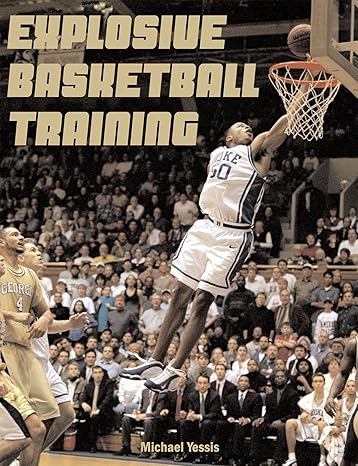

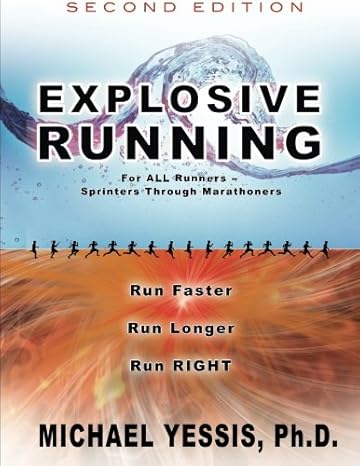

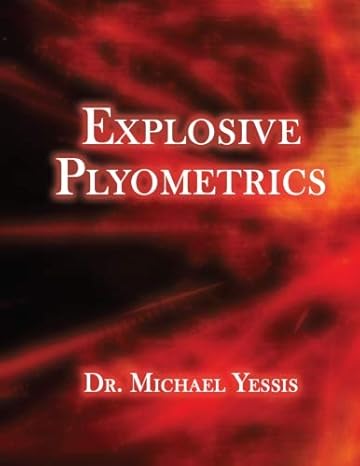


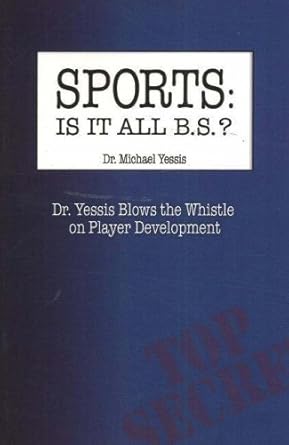
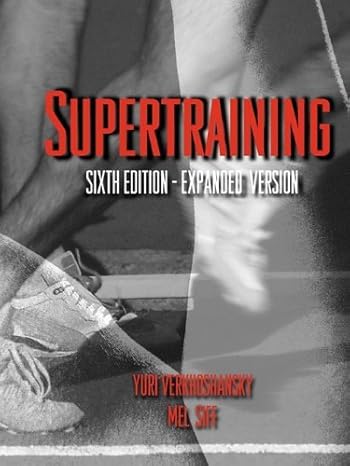

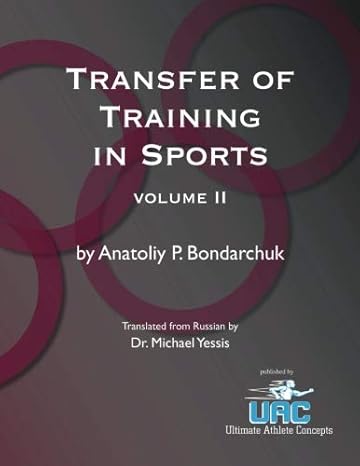


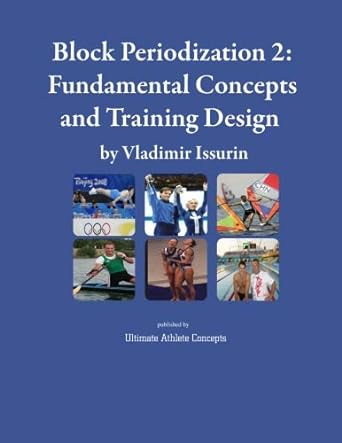
Thank you Michael Yessis for all the legacy you have left us. I will always be a defender of your great work. Thank you for helping me become a better athlete from a technical point of view. Thank you for everything you have taught me and I have learned with you. Wherever you are, rest in peace.

 ATLETA EXPLOSIVO
Leave a comment