
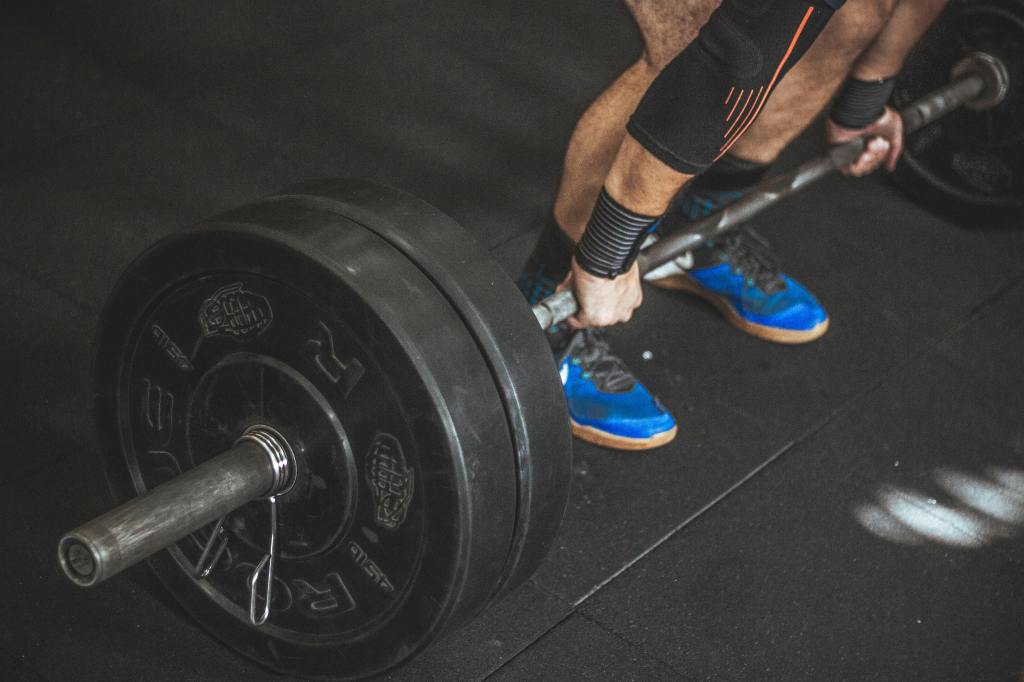
Bar position at the start of each pull is critical. In this post I´ll explain the method coach Rusty from Wichita Falls Athletic Club utilizes for getting reps 2+ set correctly without spending time searching for the sweet spot.
Today we’re going to talk about the deadlift, particularly the second, third, fourth and fifth rep. If you do your 5 step set up* correctly, you’re going to be in the perfect position to push the floor and drag the bar up your legs. Something coach Rusty has been seeing with some of his newer kids is when they get into the second rep, they’re messing around with the bar in the bottom because it’s not going where it started. This is an easy thing to fix, but there are coaches use a cue that doesn’t work all the time. It’s never really worked with Rusty. And that’s kind of doing the exact same thing but reverse it, or slide the bar down the legs.
* If you’re not familiar with the 5 steps to follow in the Starting Strength methodology for performing a deadlift, click here. You’ll find the information in the section for this lift in that article.
Next I´ll show you what coach Rusty sees that’s making the bar kind of move around and messing up that second rep. Then I’ll show you the cue that he´s heard used that doesn’t really work that well. And finally I’ll show you how he corrects it.
So, when we´re talking about sliding the bar around is they do their 5-step set up: got their feet, hands, shins; they set their back; hips are nice and high; back is flat; chest big; and then they drag the bar up. It´s probably been a great lift. What ends up happening though is they want to squat the bar down because bending over with the bar in their hands doesn’t feel natural. So,what happens? They ramp the bar off their thighs. So, now the bar is out there. It might not be that pronounced. It might be towards their toes, but now they have two options.
- Either pull from this position, which is not optimal at all, and if you’re coaching someone, you should stop that.
- Or now they’re trying to find where the midfoot is without doing the 5 step setup. So, their hips could be low and then they pull it in thinking they´re in a good position because the bar is touching their shins. And they’re not. Hips are low. And as a coach, when you see that, you have to grab them and correct them normally.
There is a cue that Rusty´s seen coaches use, and he used it early in his career where it’s reverse the deadlift or pull the bar into you and then set the bar down. The problem with that cue is people will start to push their hips back and keep the bar into them, then they lower it and now the bar is behind midfoot which is suboptimal because now they’re basically just bent over with the bar doing a straight-legged deadlift. They either pull from that suboptimal position. Imagine you’re around in the bottom to get to that second rep. If you’ve pulled a heavy set of five, you know that that first rep is real hard. The second rep is normally easy as long as you can get into it as fast as possible.
Hopefully, if you’re coaching someone or you’re reading this, you’ve already fixed this stuff before the reps get really heavy. But if you haven’t and they’re still messing with the bar, things are getting heavy and they’re missing reps because the bar is all over the place. This is what coach Rusty have done in the past and it’s worked almost every time.
So we do our 5 step set up. Now, keeping the chest big, back flat, what you can tell them is look where the bar started. Look at the midfoot. Actually turn their head down and look and then punch the bar to that position. So the bar is still midfoot, their hips are nice and high, and their back is flat. That sets them up for that next rep. So the next rep is easier. All we have to do is exhale, inhale, squeeze, and then push the floor again.
Once they have that mastered and it gets into their muscle memory, they don’t have to look down all the time. So, you do all the warm-ups like that. Once they get into their work set, have them keep their eyes out and see if they can replicate that without looking at the midfoot every time. This will fix a lot of problems when it gets heavy. That second rep gets harder if you don’t get into it as soon as possible. So, try that out with your clients. Try that out yourself if you’re still messing with the bar in the bottom.
Bibliographic references:
- Starting Strength. (2025). How to Reset Bar Position in the Pull [Video file]. YouTube. https://youtu.be/K4xxJkyc8q8?si=u0X5uHgvxstWUIhE
 ATLETA EXPLOSIVO
Leave a comment