

In this post, I want to highlight a very interesting episode of the Wall Street Wolverine podcast, which I recommend you follow because they typically interview very unique people from whom you learn a lot. In this case, the guest is Phil Hugo, a pharmacist and expert in nutrition and health habits. The first time I listened to this interview, I learned a lot from it, and almost a year later, I felt compelled to listen to it again to review it and share with you all the information I will share below. It’s worth noting that everything I’m about to share related to nutrition and health concerns both the general population and those of us who are passionate about athletic performance. We can’t forget that having good health habits is part of what is known as “invisible training”, which helps us prevent injuries and illnesses and also help us enjoy a longer athletic career, performing at the highest level.
To begin, we’ll discuss the problem caused by antidepressants, whose use has been increasing in Western societies. Among antidepressants, serotonin reuptake inhibitors (SSRIs) are the most commonly prescribed, but they are having little effect. Neurons in the brain communicate with each other through neurotransmitters such as serotonin, dopamine, adrenaline, and noradrenaline. Serotonin is a neurohormone of well-being that makes us feel good and at peace with ourselves and others. It has been observed that this neurotransmitter is at very low levels in people with depression. SSRIs (escitalopram, citalopram, paroxetine…) inhibit the reuptake of serotonin by the neuron that secretes it. The result of inhibiting reuptake is an increased presence of serotonin in the synaptic space between two neurons. The symptoms produced by SSRIs are a state of well-being, with more peace and less anxiety. However, the problems with these antidepressants are varied, primarily the duration of treatment. These drugs must be taken for several months. In addition, patients must go through phases in which the dose must be reduced gradually. This reduction must be done gradually, because if stopped suddenly, relapses occur. These antidepressants are effective, as confirmed by many scientific studies. However, they produce many side effects: erectile dysfunction due to decreased blood flow to the penis, decreased vaginal lubrication, loss of libido, digestive problems… All of this is due to the explosion of serotonin in the brain and digestive tract. In short, a drug is being administered that, in turn, is causing another problem. These other problems generate demand for other medications. These other drugs, such as Cialis and Viagra, also produce side effects that also require other drugs to address. The end result is a vicious cycle.

The same thing happens with other drugs, such as antacids (omeprazole), which are administered to reduce heartburn. Once taken, the symptoms disappear, but omeprazole increases stomach alkalinity because the stomach stops producing acid. Acid is necessary to digest meat, fats, and carbohydrates. The result is that people end up with digestive problems with an increase in other pathogens in the intestine (for example, Candida), and over time, hypothyroidism also develops. If there is less acid in the stomach, food is digested less well. Therefore, all food that reaches the intestinal tract is poorly digested, and fewer micronutrients are absorbed. Many of these micronutrients (magnesium, vitamin C, selenium, molybdenum…) are essential for thyroid function.
Since the healthcare system is based on a theory of allopathic medicine, if you have a symptom, the doctor gives you a band-aid, but never gets to the root cause. So, the population is kept rotating between antacids, antidepressants, benzodiazepines for sleep, levothyroxine for hypothyroidism… And the population is never advised on what they should be doing: eating more meat, eggs, fish, organ meats, more sun, more fasting, and more exercise. By applying all these solutions, there are many things in the healthcare system that could be solved, and also at the level of the national economy. The problem is that doctors, in their university training, don’t receive knowledge of integrative health, nutrition, or hormone therapy. The medicine they apply is allopathic, which consists of giving drugs as a band-aid for a problem, and which usually cause side effects. People believe the pharmaceutical industry wants healthy people. However, the pharmaceutical system is a business that profits from having unhealthy people and from creating problems for them.
On the contrary, integrative medicine consists of avoiding taking drugs. The vast majority of illnesses (except for genetic diseases and some cancers) are self-caused. This is a rather existentialist philosophical viewpoint based on the idea that human beings are responsible for their actions. According to this type of medicine, doctors should treat the population in the opposite way they do: avoid taking drugs, fast more, eat more meat and oily fish, and exercise more.
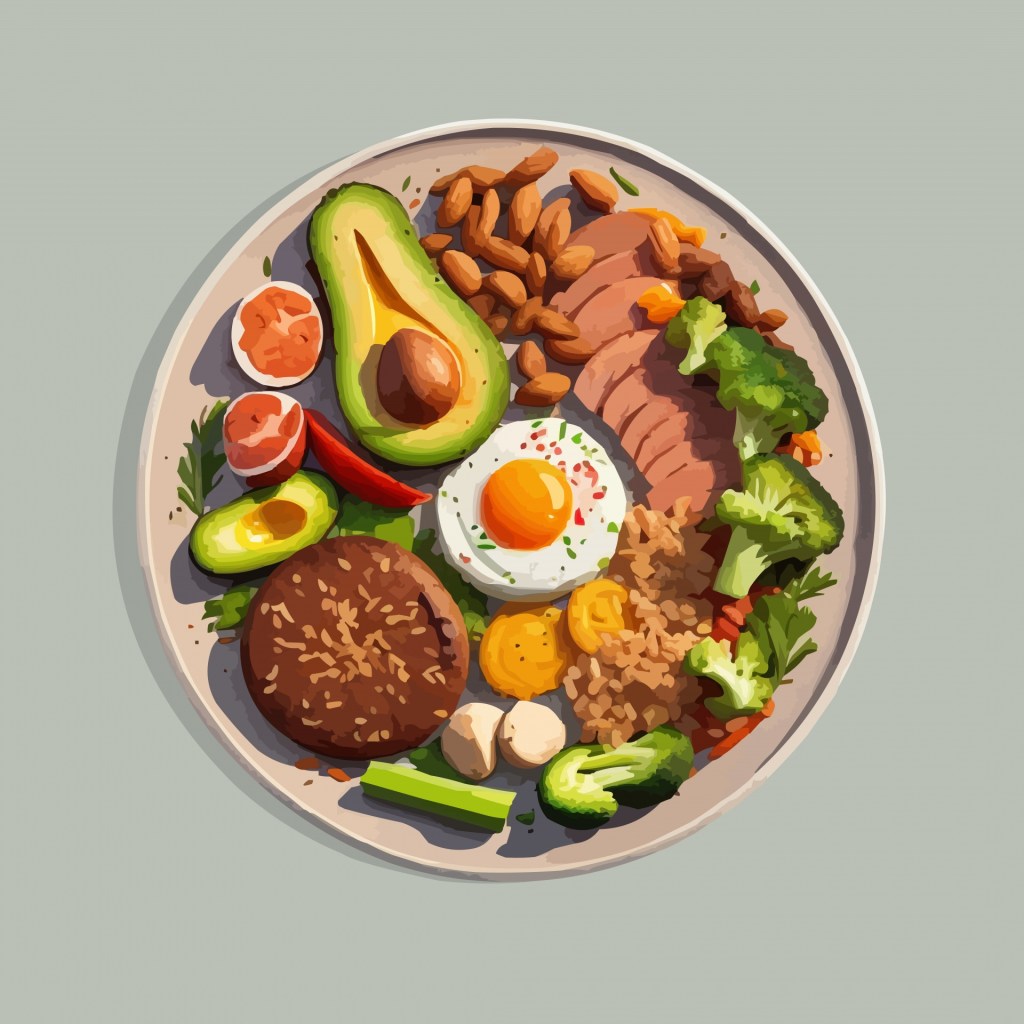
The ketogenic diet is not something new; but was devised in 1920 to treat epilepsy. Scientific studies demonstrate how the ketogenic diet is effective for people with anxiety, depression, bipolar disorder, and difficulty focusing attention. The ketogenic diet is based on a type of nutrition in which the liver is forced to produce ketones. If we don’t eat carbohydrates (bread, pasta, cereals, jam, candy…), the liver produces ketones from fat. Ketones are anti-inflammatory and antioxidant molecules. Furthermore, they increase the levels of many neurotransmitters in the brain. These neurotransmitters include serotonin, dopamine, and melatonin, which are decreased in people with anxiety and depression. The mechanism by which ketones act is the regeneration of tetrahydrobiopterin, a molecule that aids in the synthesis of all these neurotransmitters. Therefore, it is recommended for those with carbohydrate addiction who eat bread or sweets every three hours. Because it is not normal to be hungry every three hours. The normal thing is to adapt the body to rely less on carbohydrates, because it will give digestive freedom, mental freedom, and can reduce symptoms of anxiety and depression. The ketogenic diet has antidiabetic and anti-inflammatory properties and is very effective for fat loss, neurodegenerative diseases… Obviously, it is justified for an athlete who trains seriously to eat carbohydrates, preferably in the form of fruit, due to the energy demand required by intense physical activity. But if you have only taken 500 steps in a day and have been working in front of the computer for 2 hours, you don’t need to consume carbohydrates because you would have an overdose for the needs you really have. A business person who walks 5,000 steps a day, who trains twice a week in body combat and spinning, does not need to eat carbohydrates. A person who does not train and does not fast does not need to eat carbohydrates; what he needs is to eat meat, eggs, oily fish, organs, cod liver*, follow a Mediterranean diet (avocados, olive oil), eat enough salt and supplement with magnesium.
* Cod liver is the food in the world highest in omega-3, vitamin A and vitamin D. It is also rich in vitamin E and selenium.
Meat, oily fish, and cod liver provide a very high amount of micronutrients: magnesium, selenium, molybdenum… to properly metabolize sulfites; all the minerals related to the thyroid (selenium, iron); vitamin A and all the B vitamins… Furthermore, these micronutrients are highly bioavailable in these food sources. Foods from the plant kingdom (seeds, nuts…) are surrounded by antinutrients (molecules that prevent the passage of nutrients into the blood), and the vitamins are not in the correct form. Red meat contains amino acids, iron, selenium, and magnesium. Among the amino acids are the building blocks for producing antioxidants in our body, particularly cysteine and glutamate, which are involved in glutathione synthesis. Glutathione is the main antioxidant in our body, along with melatonin. Therefore, red meat is pro-oxidant and anti-inflammatory. Meat also contains keratin, carnosine, anserine, and carnitine. Egg yolk contains choline. All of these molecules have anti-inflammatory properties and also contribute to the resynthesis of other antioxidants. Eating more meat, eggs, fish, and organ meats also has an impact on our satiety, helping us reduce food intake because they are the most micronutrient-rich foods in the world.
It’s true that sunbathing has always been demonized. It is true that, as some scientific studies have shown, in people with dermatological diseases, overstimulation by UVB rays can exacerbate certain dermatological symptoms. Therefore, these people should not spend many hours in the sun. However, the pharmaceutical industry has taken advantage of this to heavily market sunscreens, sending the message that if you don’t protect yourself, you’ll end up with cancer. Many studies have observed that many of these sunscreens contain oxybenzone derivatives. When these molecules pass through the skin, they first pass through the liver and remain in the blood for weeks, which is undesirable. A person truly burns when they don’t have a sun callus. A sun callus is our ability to expose ourselves to the sun (without applying sunscreen) and never burn. But why do some people burn quickly? The answer lies in the type of nutrition they consume, as their cells are filled with linoleic acid, an omega-6 fatty acid found in seeds and ultra-processed foods. Furthermore, they also tend to have many pro-inflammatory and oxidative molecules in their bodies that contribute to poor skin quality, and therefore, even receiving the slightest UVB rays can cause them to burn. It’s worth adding that these people’s vitamin A levels are often insufficient because they don’t eat enough organ meats. The first thing we must do to build solar callus — that is, to expose ourselves outside without sunscreen — is to do so gradually and carefully, taking care of our nutrition (more meat, more eggs, more fish, and more organ meats; avoiding all seed oils such as rapeseed oil or corn oil; and ultra-processed foods). The second step is to expose ourselves to sunlight as soon as we wake up, for about 5-10 minutes. The most important thing is that the eye can capture the sunlight. Between 7 and 10 a.m., there is a fraction of the sun’s exposure, which is infrared light. Infrared light stimulates the brain to produce T3, testosterone, and dopamine, and also contributes to the construction of solar callus throughout the day. Subsequently, if we expose ourselves between 10 a.m. and 4 p.m., we should start with 15 minutes without protection and increase by 5 minutes each week. If we want to expose ourselves longer in spring and summer, when UV rays are strongest, we should protect our face with sunscreen because the face has a much thinner layer of collagen than the rest of the body and tends to photoage much more because it is the only part of the body exposed year-round. We can prepare our own sunscreen by mixing zinc oxide, coconut oil, and beeswax. We heat the mixture and stir it.
The sun is also a precursor of nitric oxide, a potent vasodilator that promotes the passage of nutrients into cells, and of vitamin D synthesis. Depression tends to increase in winter because vitamin D levels tend to be lower due to less sun exposure. Vitamin D is essential for calcium absorption in bones, is a precursor to serotonin synthesis (essential for maintaining mood), aids in testosterone synthesis, and reduces joint pain. The sun is a potent antidepressant and regulates circadian rhythms. The more time we spend in the sun during the day, the better we sleep at night.


Starting at age 25, testosterone synthesis in men begins to decline. Ideally, and truly normal, testosterone levels should be above 800 ng. There are studies show that levels below 700 ng are associated with a higher risk of cardiovascular problems and diabetes. Levels below 300 ng cause erectile dysfunction and loss of libido. Medical tests consider testosterone levels above 300 ng normal, but dozens of scientific studies conclude that levels below 700 ng can lead to cardiovascular problems, erectile dysfunction, and more. Based on this, testosterone should be prescribed more frequently as hormone therapy (for both men and women), with a hormone replacement dose to help return to normal levels, not excessively high levels to become a bodybuilder. Testosterone has been shown to be a protector against cardiovascular disease, as well as being antidiabetic, antidepressant, protecting against joint pain, and increasing muscle mass.

Regarding supplementation, Phil Hugo recommends taking magnesium, omega-3, collagen, vitamin C, and creatine. These are the five supplements a person could take every day. Intake of these supplements will have a cardioprotective (omega-3), osteoprotective, wrinkle-preventing (collagen), and neuroprotective (vitamin C) impact. Vitamin C also helps with collagen synthesis. Magnesium is the most underrated mineral because its normal concentrations are not met through diet. There are studies showing that taking half a gram of magnesium a day helps with better sleep, is a potent anxiolytic, reduces muscle pain, and improves mood. Creatine has also been shown to be a potent antidepressant and has benefits almost similar to many antidepressants.
Having a body composition with a high percentage of fat is not beneficial for the body at all, as it leads to inflammation, the development of useless tissue, and increases the likelihood of cardiovascular disease, diabetes, and depression. From a physiological perspective, there is no advantage to being obese and having neurochemistry that functions the same way as someone who exercises, exposes themselves to the sun, and maintains a healthy weight. It is not comparable because the production of proinflammatory cytokines in the brain makes obese people resistant to insulin and neurotransmitters. The synthesis of BDNF, serotonin, dopamine, and other hormones occurs when there is a normal amount of body fat. Aromatase (the hormone that aromatizes testosterone to estradiol) only exists in normal amounts when body fat levels are adequate.
The human being is a creature of habits. Therefore, we must analyze and question many of our habits and be willing to change our mental paradigms. As individuals, we must take responsibility for our actions and not delegate it to others to dictate our way of life. We must do less to achieve more. We must fast to lose fat, gain time, gain energy, and save money. We must simplify our diet to meat, eggs, fish, and organ meats; fruits and vegetables if we exercise. Except for genetic diseases and some cancers, the vast majority of illnesses (hypothyroidism, depression, digestive problems, joint pain, acne…) are self-inflicted. Once we understand this more existentialist perspective of humanity, we will free ourselves from many of our ills. Our health is our freedom. The healthier we are, the more freedom we will have on a financial, spiritual, physical, and mental level.
Bibliographic references:
- Wall Street Wolverine. (2024). EX FARMACÉUTICO REVELA la VERDAD de la INDUSTRIA FARMACÉUTICA 💊 PHIL HUGO [Video file]. YouTube. https://youtu.be/8Jnu5G1avis?si=_uVajQpY9JrG5IBf
 ATLETA EXPLOSIVO
Leave a comment