
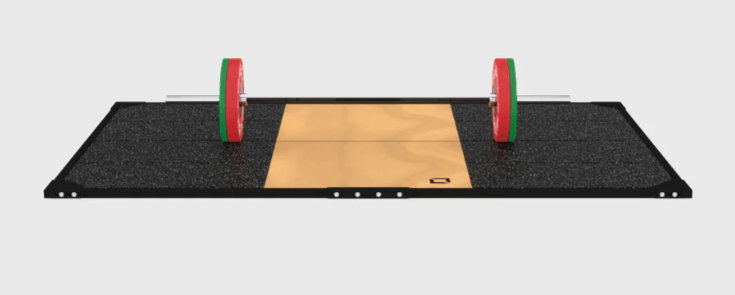
HOW TO BUILD A WEIGHTLIFTING PLATFORM
In this post I’m going to explain how to build a weightlifting platform. But first I’m going to tell you all the advantages that this structure will bring to your home gym: Protects your garage floor. Protects your equipment. Makes lifting safer. Makes lifting quieter.
Read more
THE POWER OF POST-ACTIVATION POTENTIATION
Post-activation potentiation (PAP) is a phenomenon whereby an increase in muscle performance occurs after having performed a conditioning activity that elicits a maximum voluntary contraction, a tetanic contraction, or a series of nerve impulses. The physiological mechanisms that originate this phenomenon remain unknown at present. However, two possible hypotheses are considered:
Read more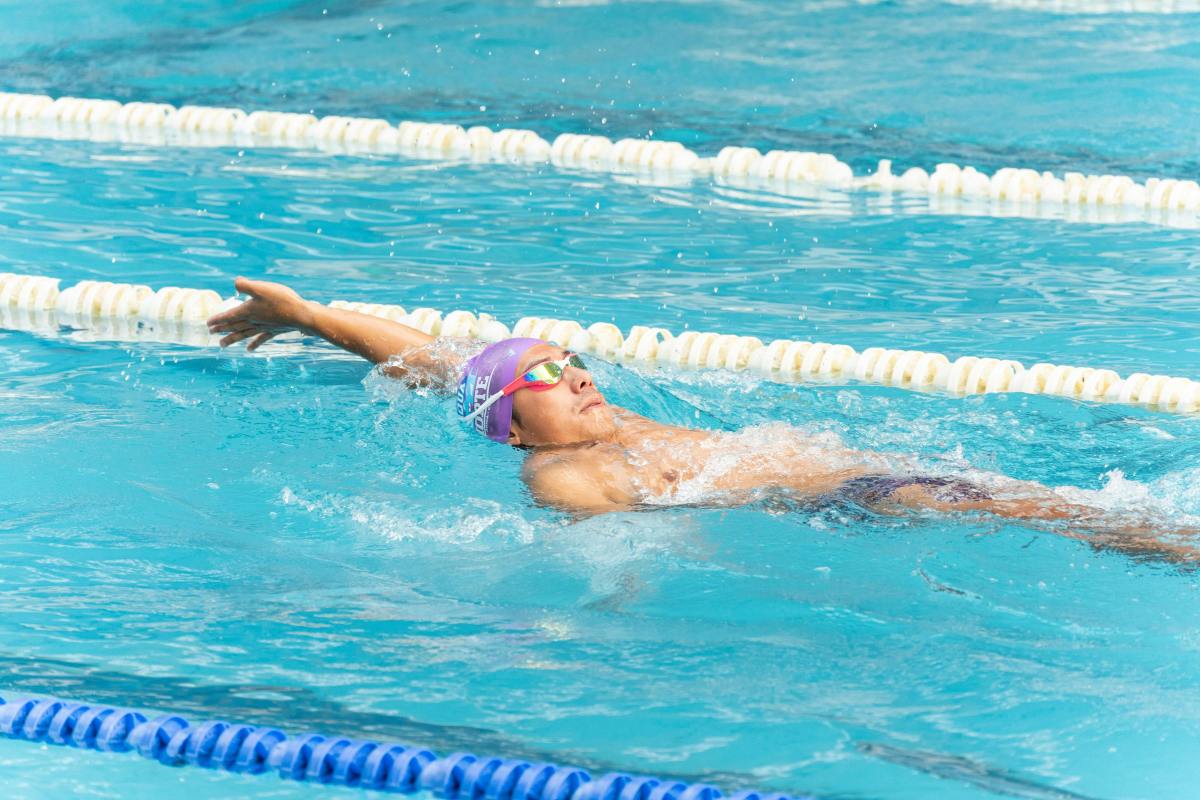
ANALYSIS OF THE BACKSTROKE TECHNIQUE IN SWIMMING
The backstroke is an alternative swimming style in which the swimmer performs rotating and alternating movements of the arms. To turn, he sinks his head, lifts both legs out of the water and takes momentum off the wall. The existing competition events of this style in swimming are the following: 50 m, 100 m, 200…
Read more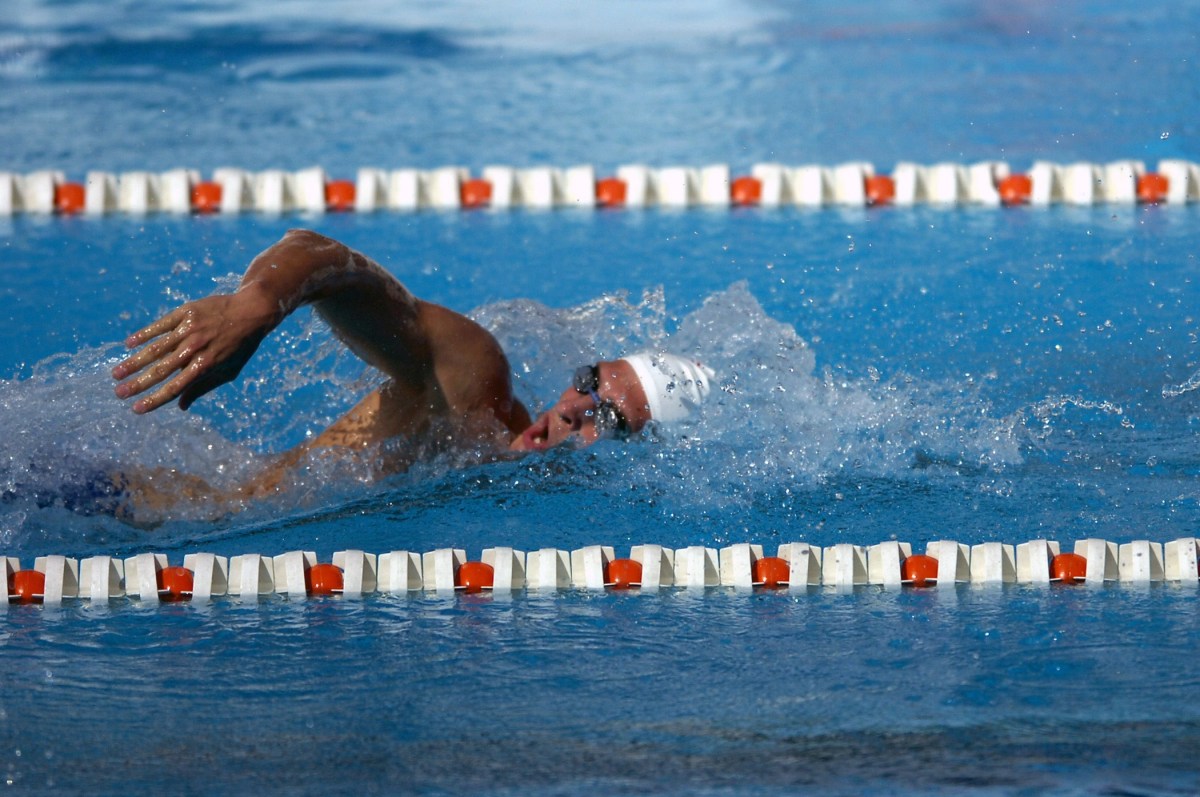
ANALYSIS OF THE CRAWL OR FREESTYLE TECHNIQUE IN SWIMMING
The crawl or freestyle is an alternative swimming style in which the swimmer moves using alternative movements of the feet and arms. He is propelled underwater and recovered on the surface. He turns at two or three meters from the wall. The existing competition events of this style in swimming are the following: 50 m,…
Read more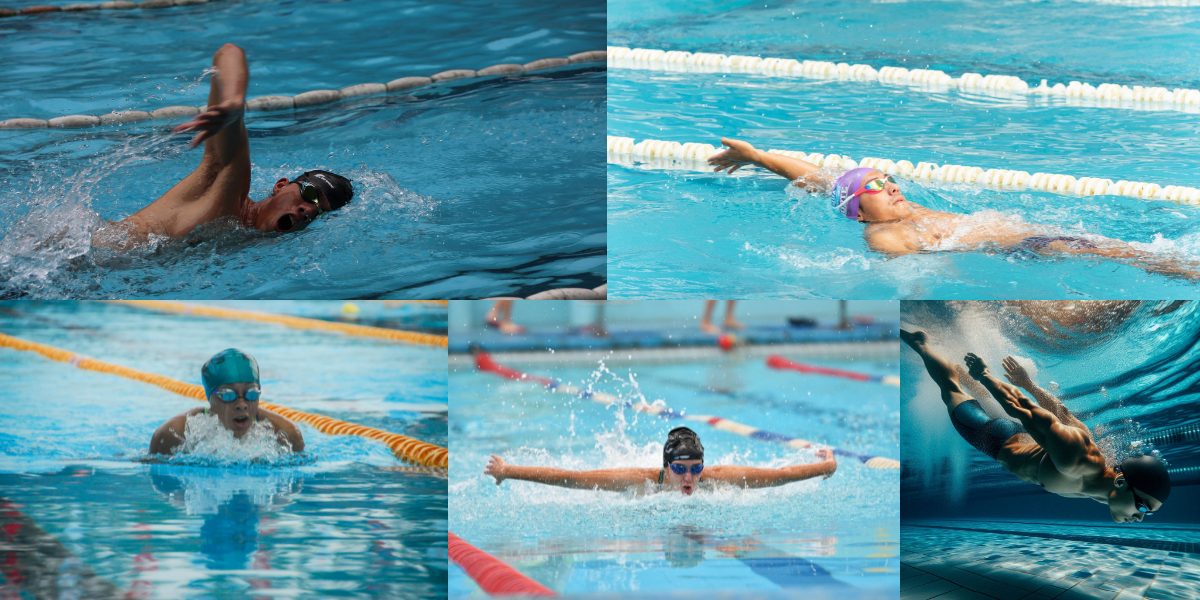
GENERALITIES ABOUT OF SWIMMING SPORT
The six aquatic sports disciplines run by World Aquatics (until 2022 called the International Swimming Federation) are swimming, water polo, open water swimming, artistic swimming (until recently called synchronized swimming), diving and high diving. Of all of them we will analyze swimming in more detail.
Read more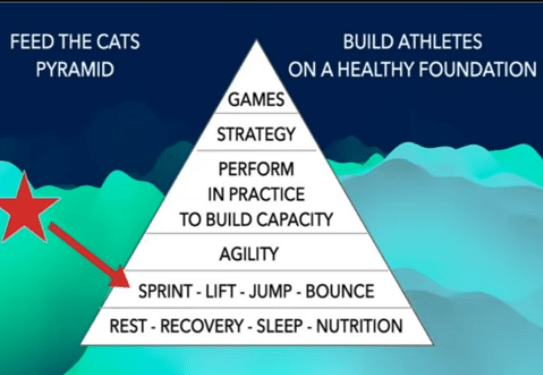
THE PYRAMID OF SPEED AND STRENGTH TRAINING
Just as there is Maslow’s pyramid and the food pyramid, coach Tony Holler has developed his own pyramid aimed at performance in situational sports. Tony Holler is a track and field coach and a football and basketball physical trainer. He works at Plainfield North High School. He is also a member of the Illinois Track…
Read more
PHYSIOLOGY OF SKELETAL MUSCLE (PART 4): TYPES OF MUSCLE CONTRACTION
Depending on the relationship that an individual establishes with external resistances, muscle activation can lead to three different contractions:
CONCENTRIC: With shortening of muscle fibers. Overcoming external resistance. The external force acts in the opposite direction to the movement.
ECCENTRIC: With lengthening of muscle fibers. Assignment to external resistance. The external force acts in the…
Read more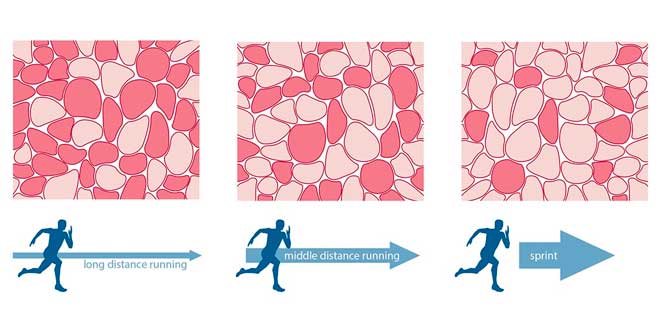
PHYSIOLOGY OF SKELETAL MUSCLE (PART 3): TYPES OF MUSCLE FIBERS
Skeletal muscle is a tissue capable of making a wide range of functional demands, from performing highly precise movements for which little force is required, to maximum contractions, to maintaining the body’s posture. This versatility is due, in part, to the existence of several types of muscle cells or fibers, which have different functional, metabolic…
Read more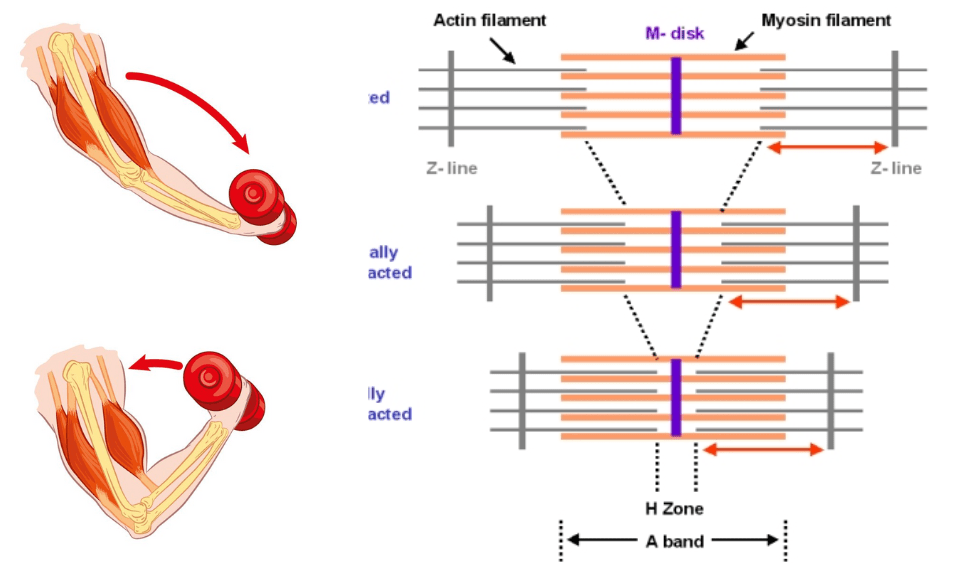
PHYSIOLOGY OF SKELETAL MUSCLE (PART 2): MUSCLE CONTRACTION
At rest, the thin and thick filaments of a sarcomere slightly overlap. During contraction, the thin and thick filaments slide past each other bringing the Z lines closer to the center of the sarcomere.
Contraction is stimulated when the muscle fiber innervating α motor neuron releases the neurotransmitter acetylcholine as a consequence of an action…
Read more ATLETA EXPLOSIVO