
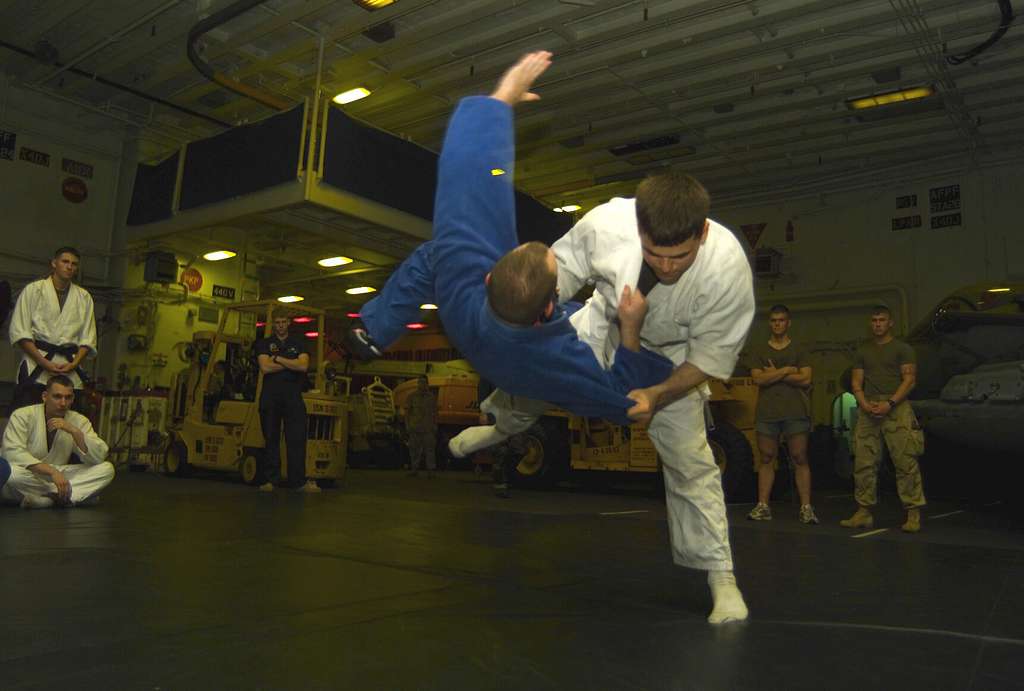
FALLING (UKEMI) IN JUDO AND AIKIDO: WHY SHOULD YOU LEARN TO FALL?
Although falls are not accidents that happen to us every day, the risk of falling always exists and can happen at any time and when least expected. Falls from an already considerable intensity can produce the following effects:
– They can leave after-effects that permanently incapacitate someone from develop a certain profession or other types…
Read more
THE 11 MISTAKES YOU SHOULD NOT MAKE IF YOU WANT TO RUN FASTER WHEN SPRINTING
In this post I’m going to discuss all those actions and habits that are detrimental to developing and improving your sprinting speed. Obviously if you want to run slower and slower, doing all of these things is the best way to go. Here’s a list:
Read more
REMEMBERING DOCTOR YESSIS
As of the date I am writing this post, it has been more than a year since Michael Yessis, a great authority in sports science, passed away. It was on September 15, 2023 when he left this world and left us orphans who learned from the methodology and work he has been developing throughout his…
Read more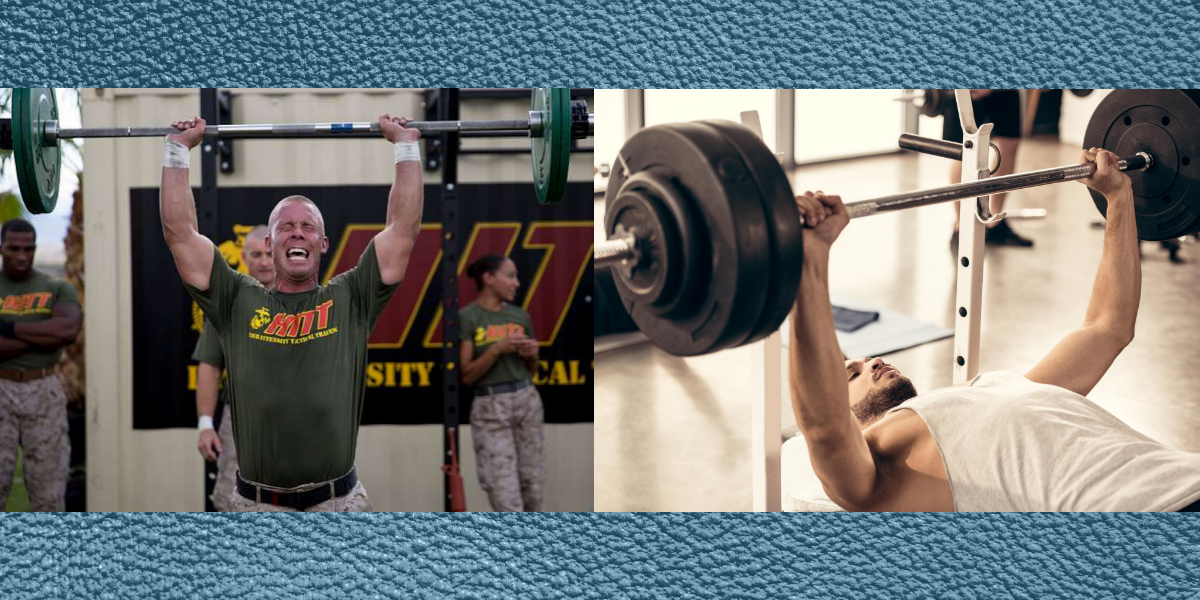
OVERHEAD PRESS vs BENCH, ¿WHICH ONE IS THE BEST?
Both the overhead press and the bench press are excellent lifts that should be part of our session to increase our basic strength levels, especially in the upper body. Ideally, they should be introduced in different sessions, as is done in the Starting Strength training methodology, so that overload does not occur and we can…
Read more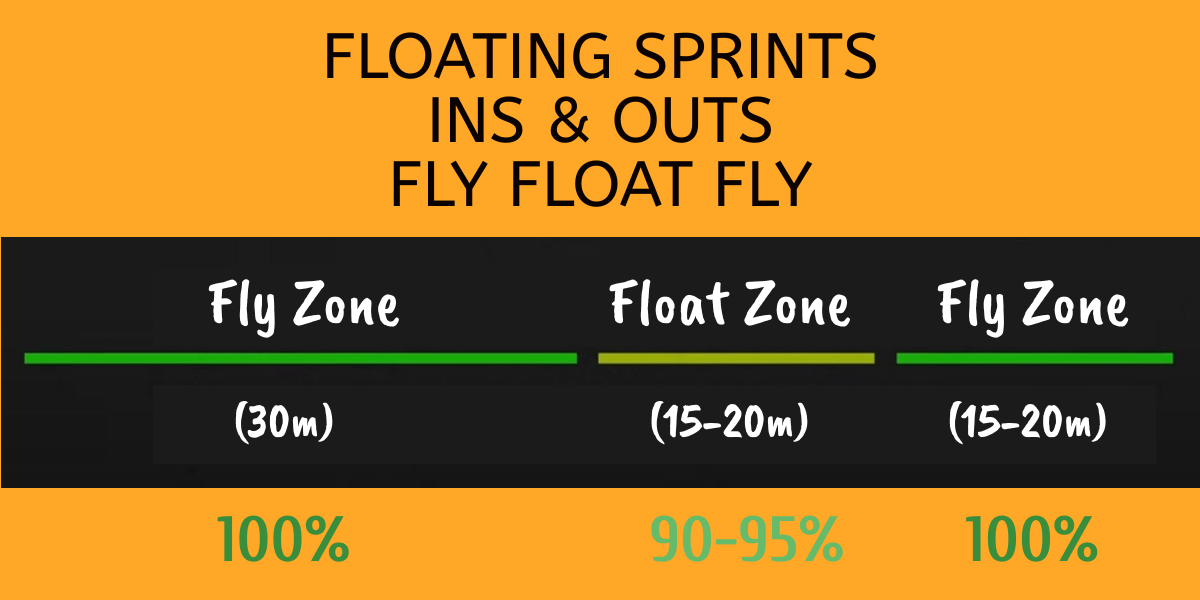
THE SPEED BARRIER AND FLOATING SPRINTS
What if your speed training was actually preventing you from running faster and reaching your true max speed? While it might seem surprising, turns out that all out sprinting over and over again might not make you any faster. If you have your athlete run 30 meters, or 40 meters or 50 meters, sprinting all out all the time, it’s been…
Read more
IS THE DECATHLON REALLY THE HARDEST SPORT IN THE WORLD?
Who is the world’s greatest athlete? There’s nothing more challenging or grueling than doing a decathlon. It’s the purest form of competition. It’s the ultimate measuring stick for all-around capability of the human body.
Read more
THE SONG FOR FASTER SPRINT STARTS – BLOCK SETUP
2 foot lengths to the front pedal. 3 foot lengths to the back. The pedals should be at 45 degrees for the fastets angle of attack. Once your blocks are set, you gotta take a few steps back. Check your work. Make sure that they´re straight and aligned with the track. Now push them into…
Read more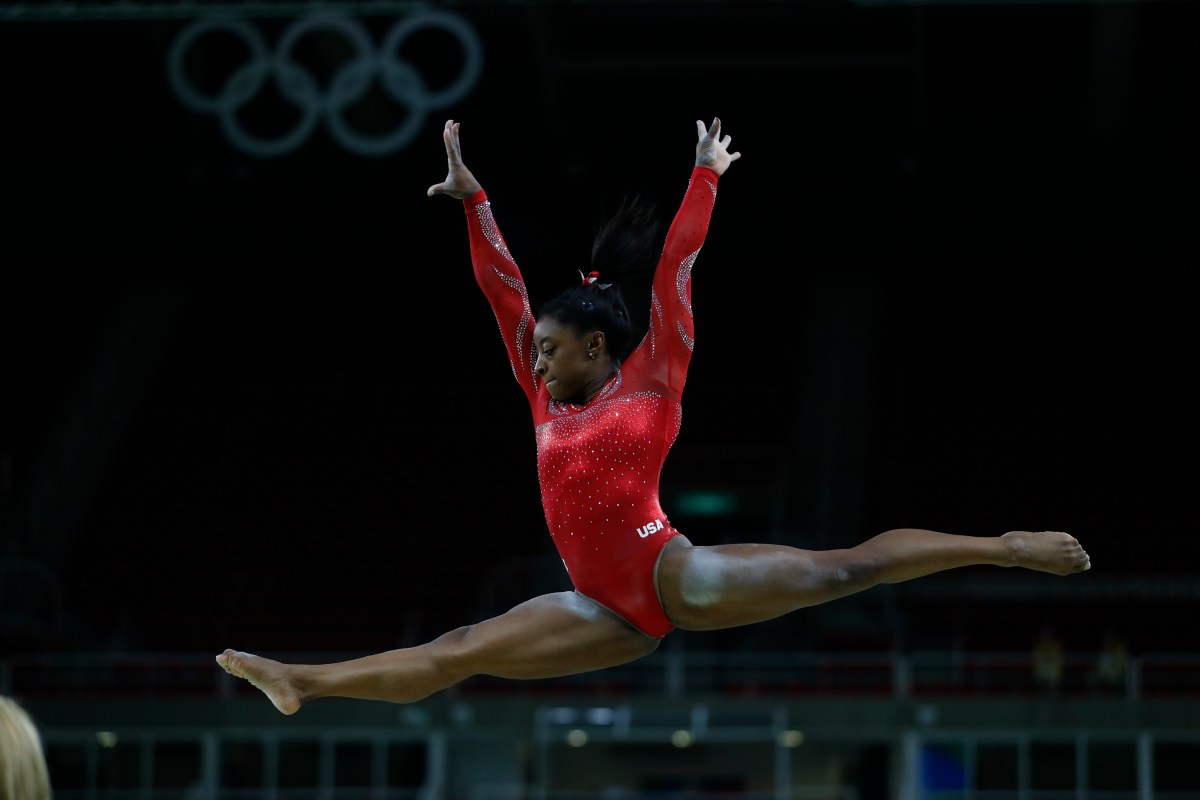
SIMONE BILES TRIUMPHS AT THE 2024 PARIS OLYMPIC GAMES
Congratulations to Simone Biles (“The Goat”) for her impeccable performances at the Paris 2024 Olympic Games and for her 4 medals: Women’s Artistic Gymnastics All-Around (GOLD) Women’s Artistic Gymnastics Team (GOLD) Women’s Vault (GOLD) Women’s Floor Exercise (SILVER) Watching this gymnast perform is a real treat and a delight for anyone’s eyes. Her agility, her…
Read more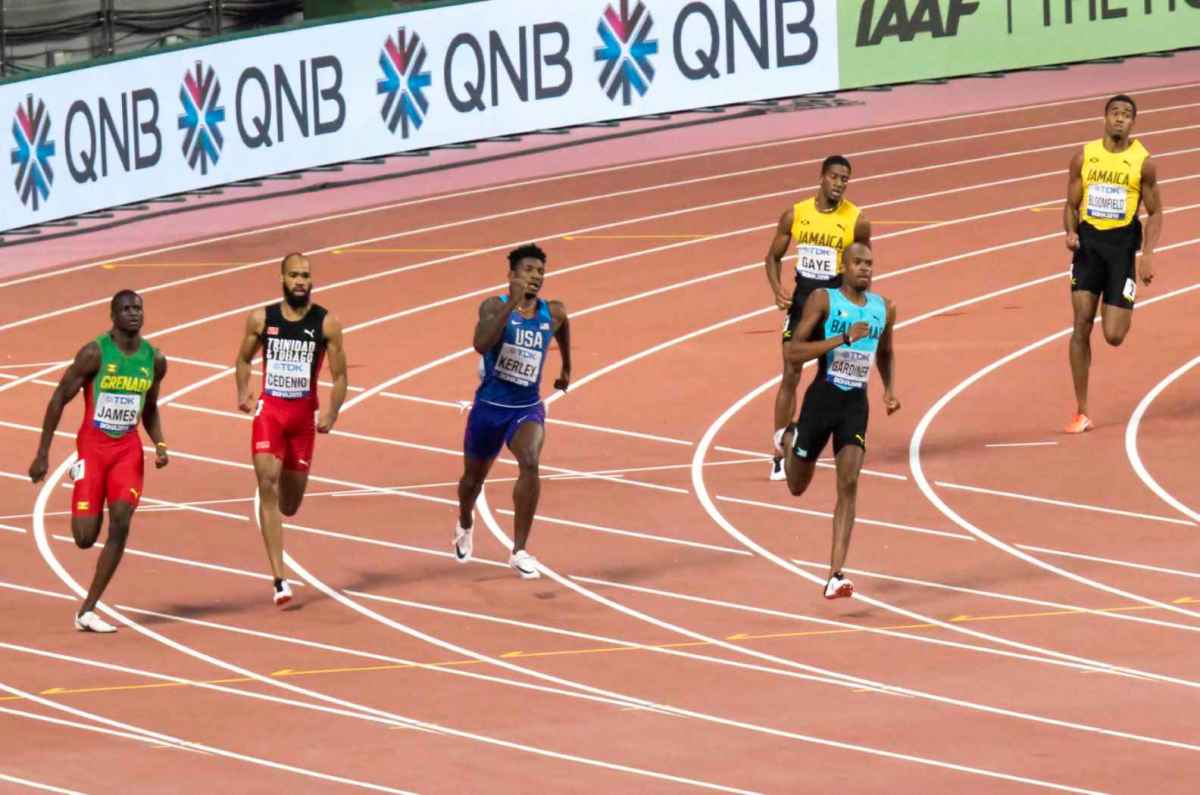
WHY IS THE 400 METERS THE TOUGHEST EVENT IN TRACK AND FIELD?
In a sport known for pushing the body to its absolute limit, one event stands avobe the rest. A race where no amount of talent or training can spare you from the crushing pain at the finish. A blend of technique, speed and endurance. That´s run right on the razor´s edge of phylosophy and grit.…
Read more ATLETA EXPLOSIVO