
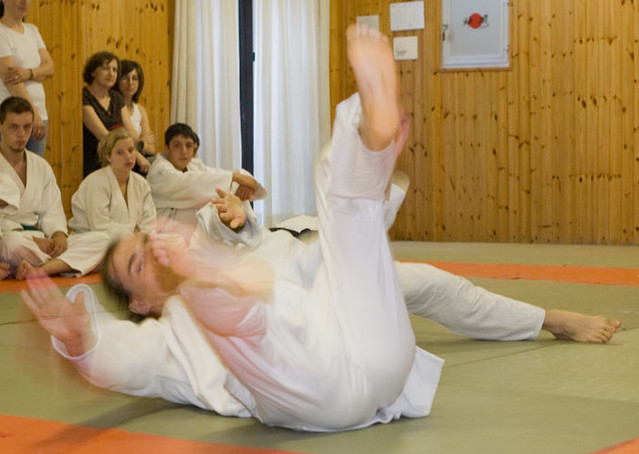
Falling backwards (ushiro ukemi) is the first to be taught and practiced in both judo and aikido because it is the easiest to perform. Below I will explain each of the steps that make up the progression. You will always start from the simplest and easiest sequences, then progressively advance in the degree of complexity and finally reach full mastery.
Progression 1
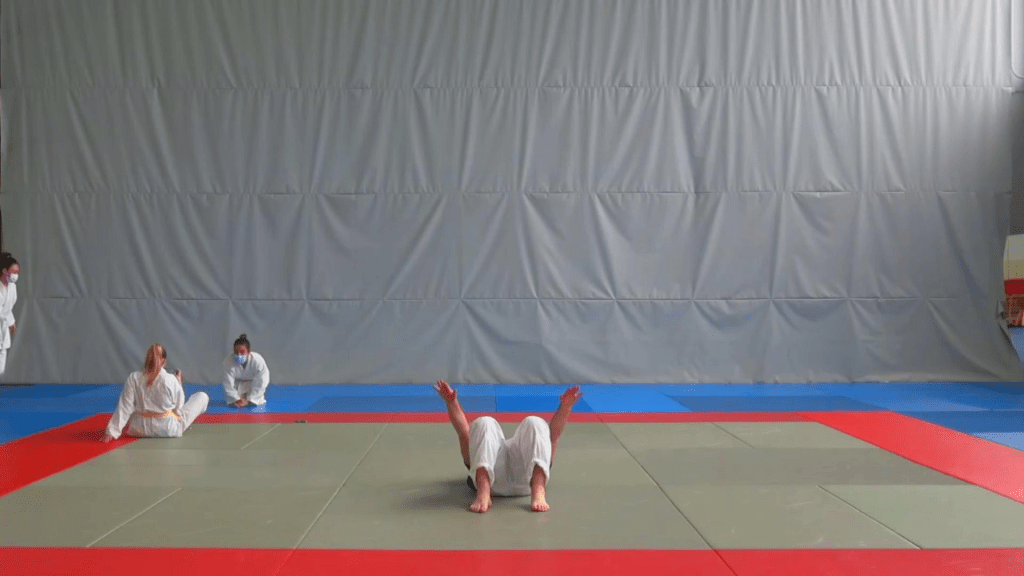
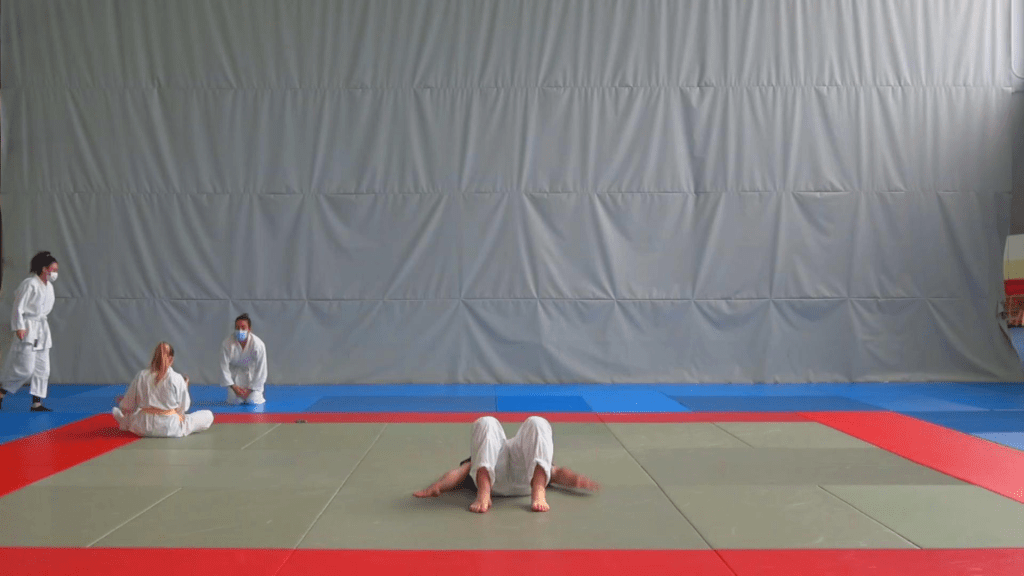
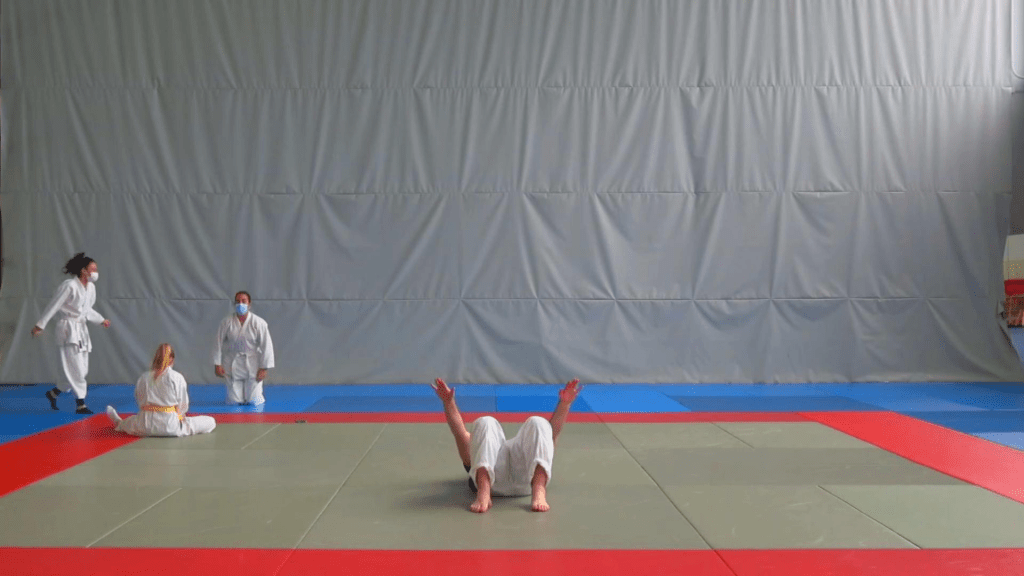
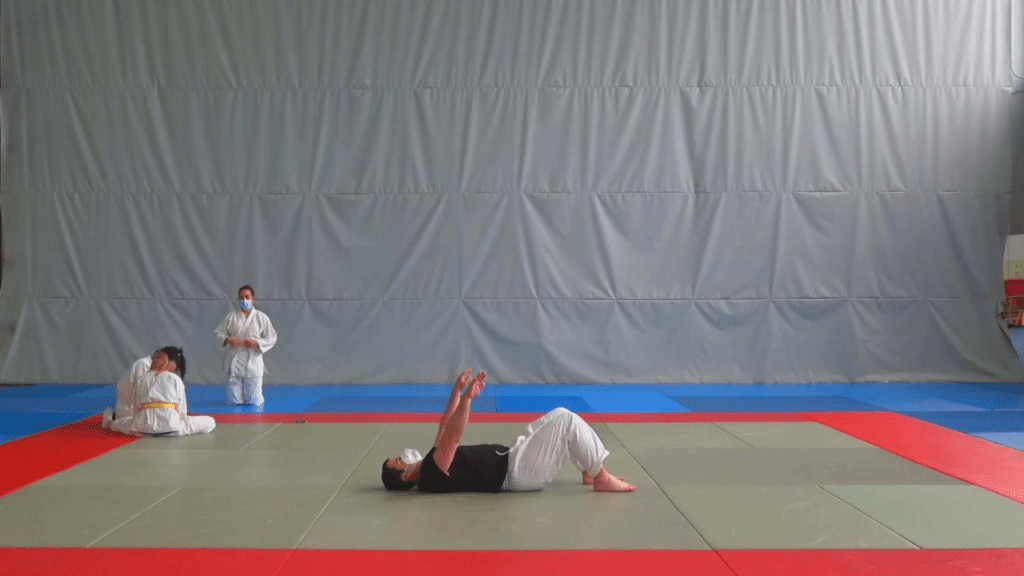
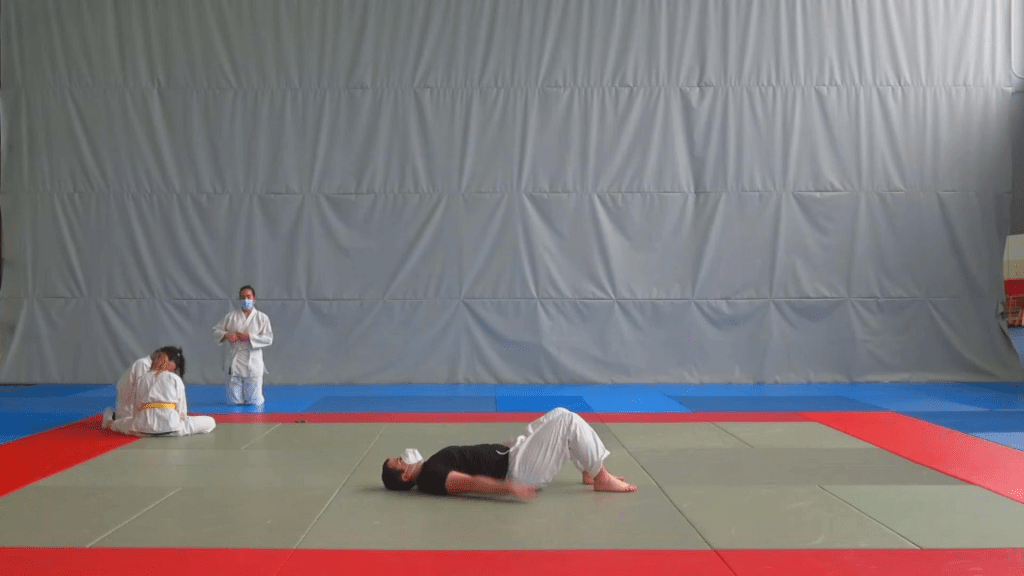
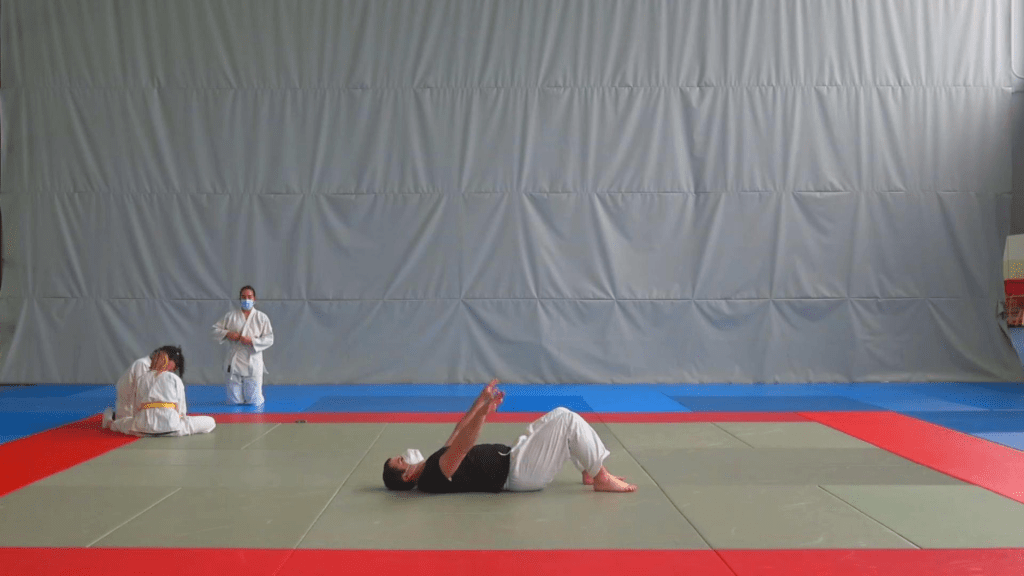
- Starting position: Lying supine with your knees bent and the soles of your feet supported, and also with your chin tucked into your chest.
- Execution: Hit from both sides at a 30 degree angle.
- General mechanical principles:
- Soften the force of the fall by hitting with your arms.
- Optimal impact surface.
Progression 2
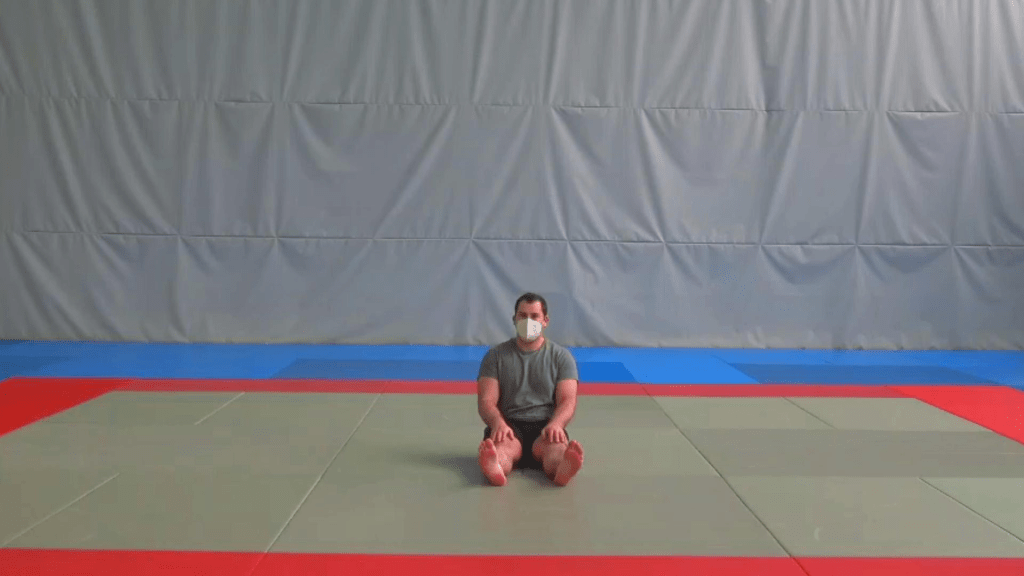
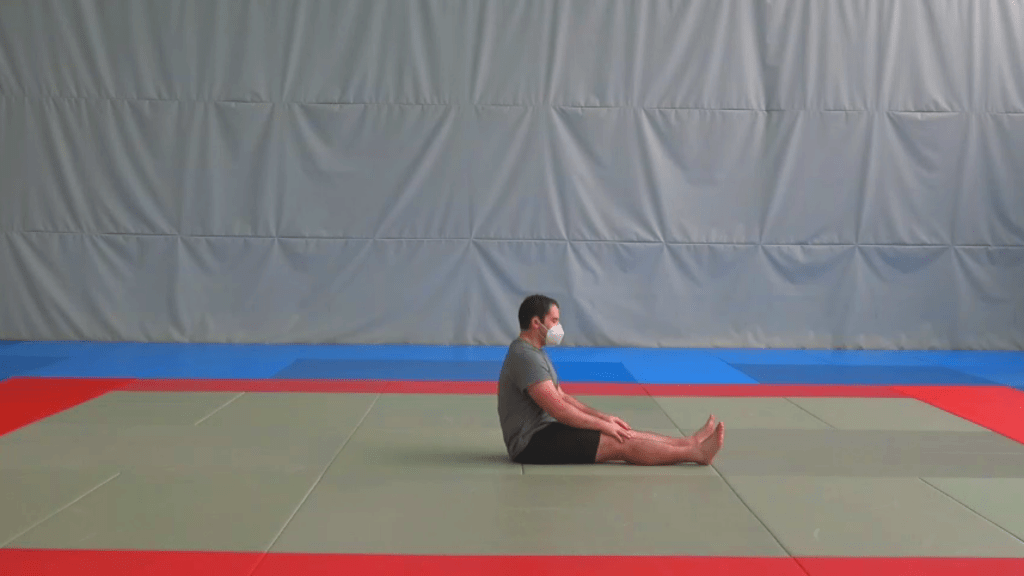
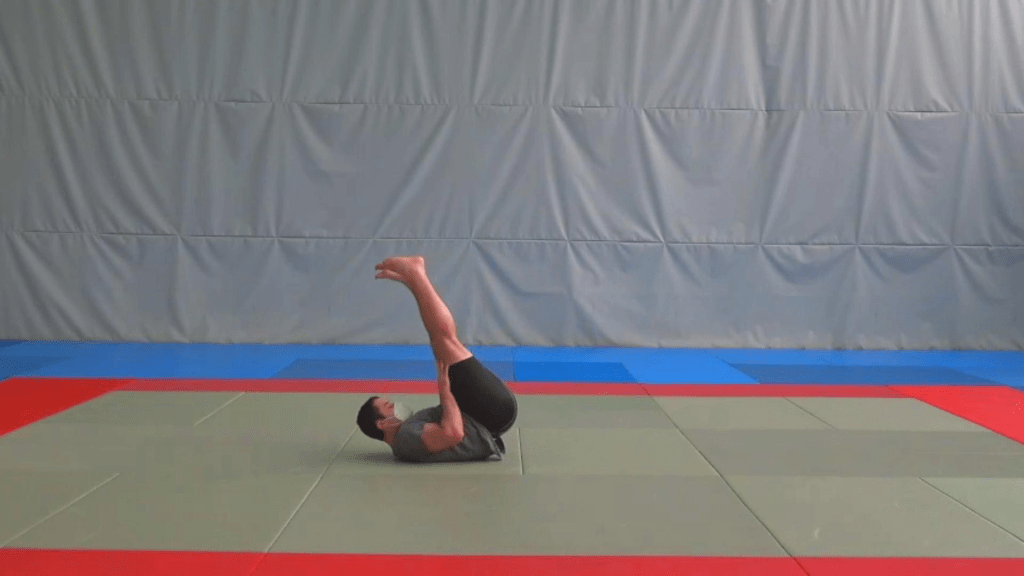
- Starting position: From a sitting position on the floor, with your legs extended and your hands in contact with your thighs at knee level.
- Execution: Roll backwards with your chin tucked into your chest. Keep your hands in contact with your thighs throughout the movement.
- General mechanical principles:
- Soften the force of the fall by making a rolling movement, turning your back into a kind of wheel.

Progression 3
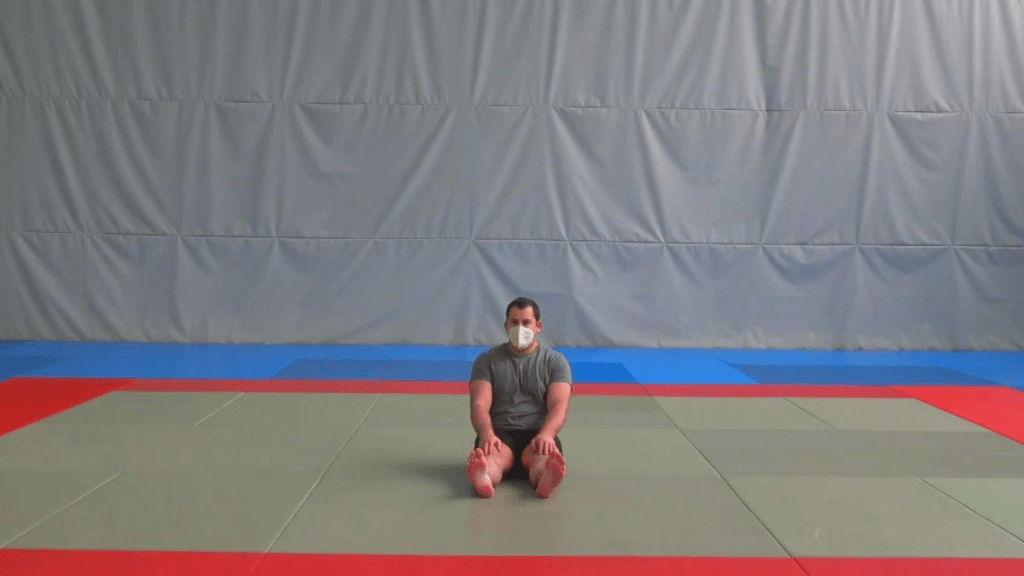
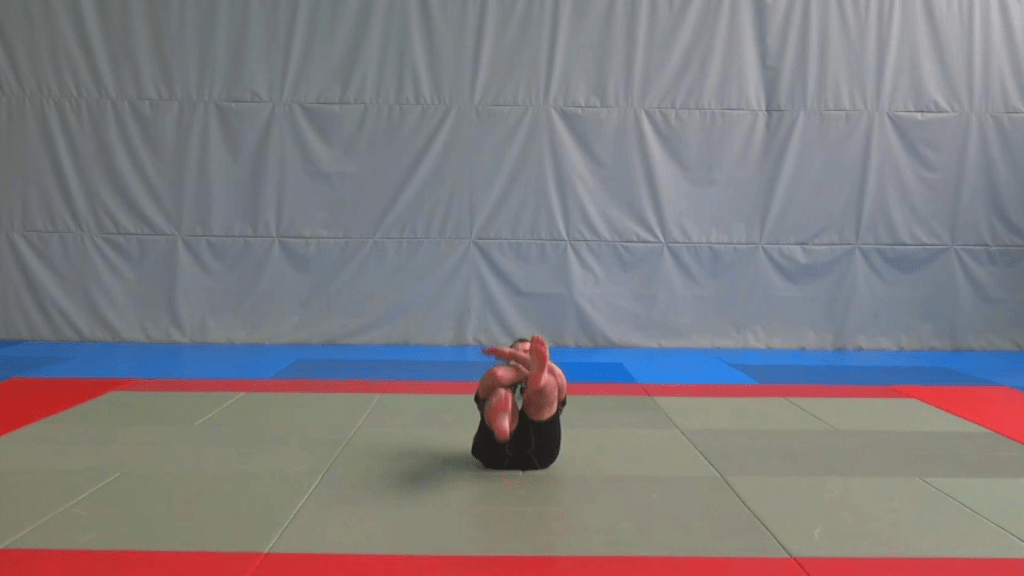
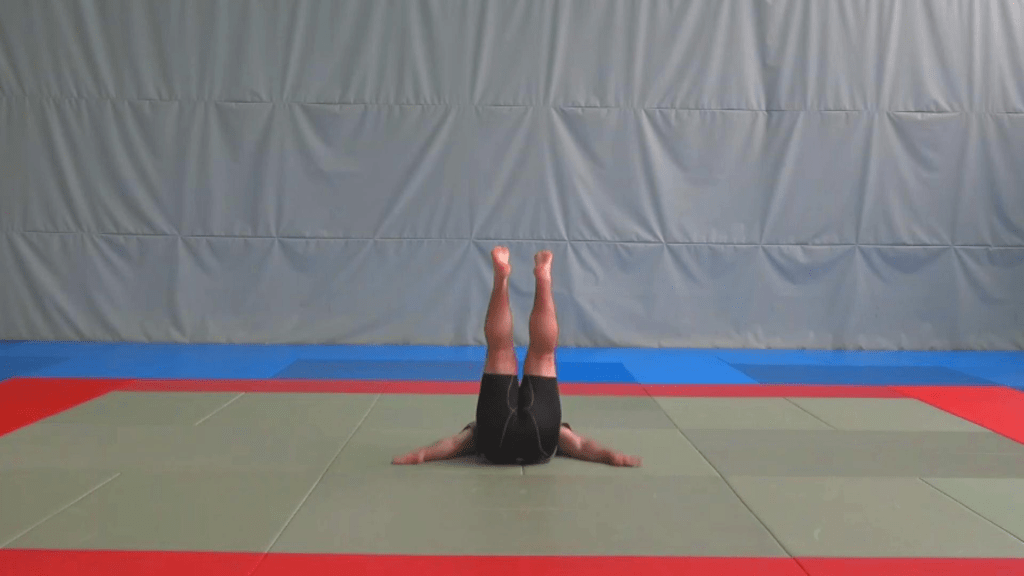
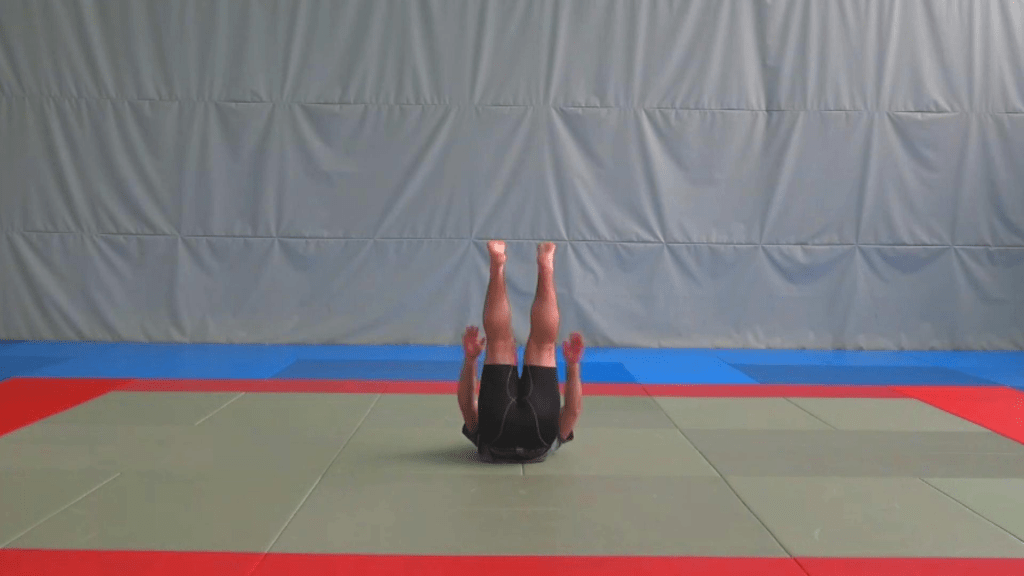
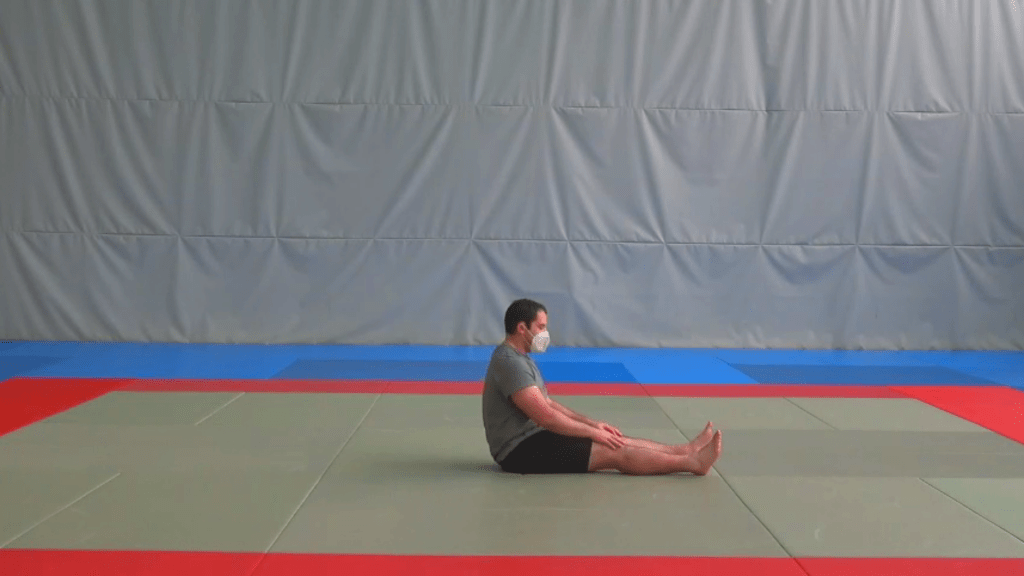
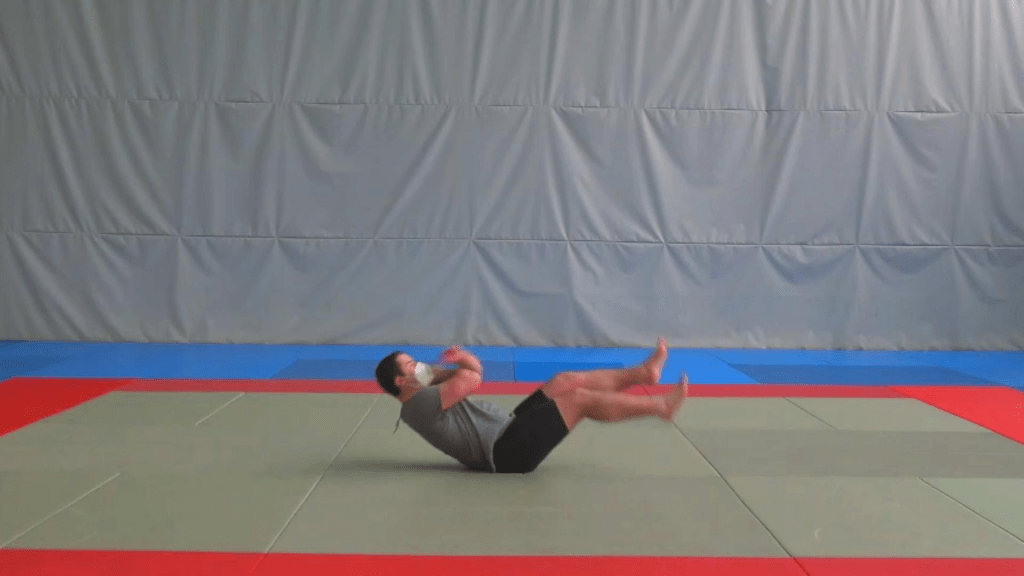
- Starting position: From a sitting position on the floor, with your legs extended and your hands in contact with your thighs at knee level.
- Execution: Roll backwards with your chin tucked into your chest, hitting the ground with both arms at a 30-degree angle to your torso. Start with your arms crossed at shoulder height. The moment of impact is when the lumbar area of your back makes contact with the ground as you roll.
- General mechanical principles:
- Soften the force of the fall by hitting with your arms.
- Optimal impact surface.
- Optimal moment of impact.
- Soften the force of the fall by making a rolling movement, turning your back into a kind of wheel.
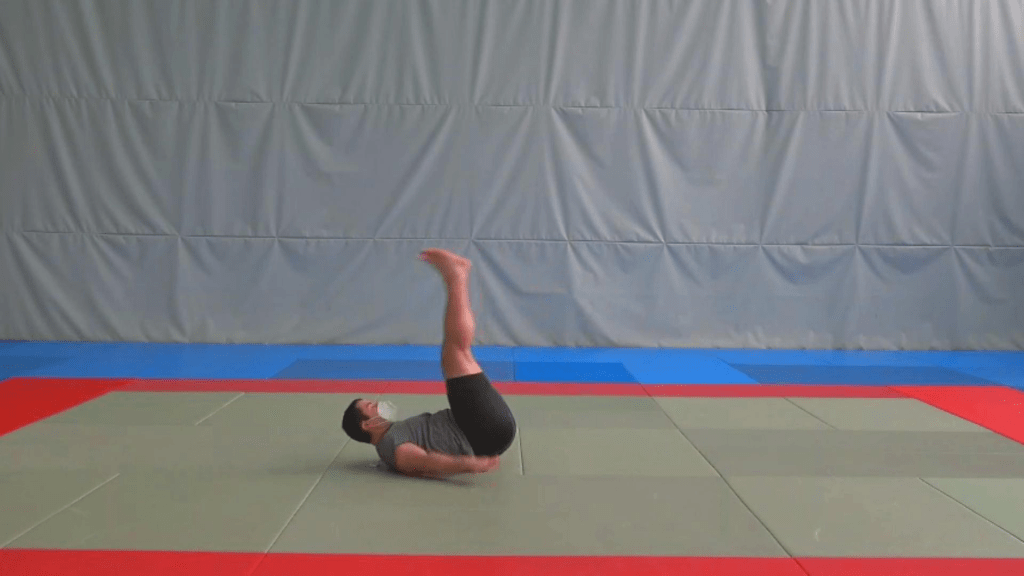
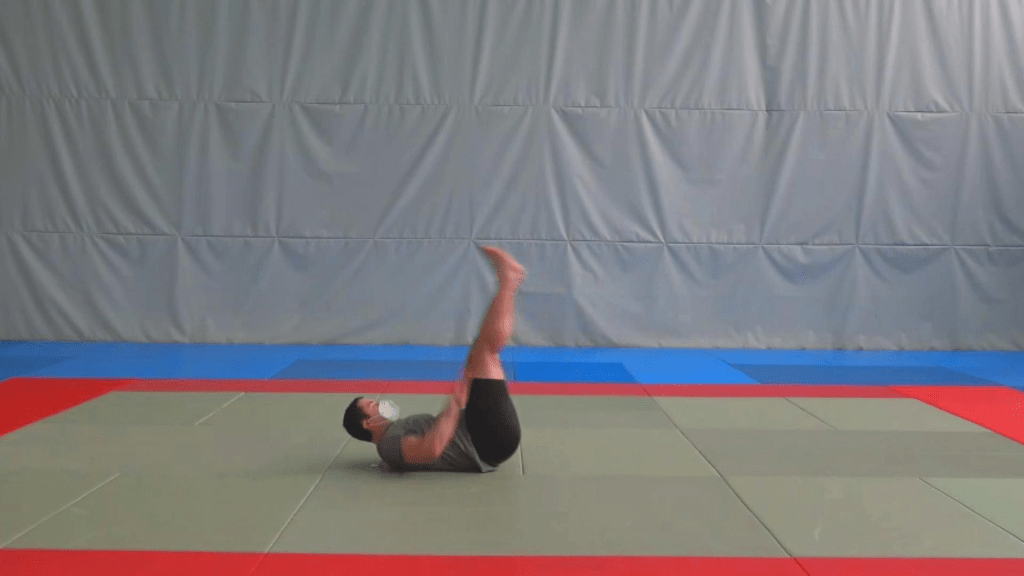
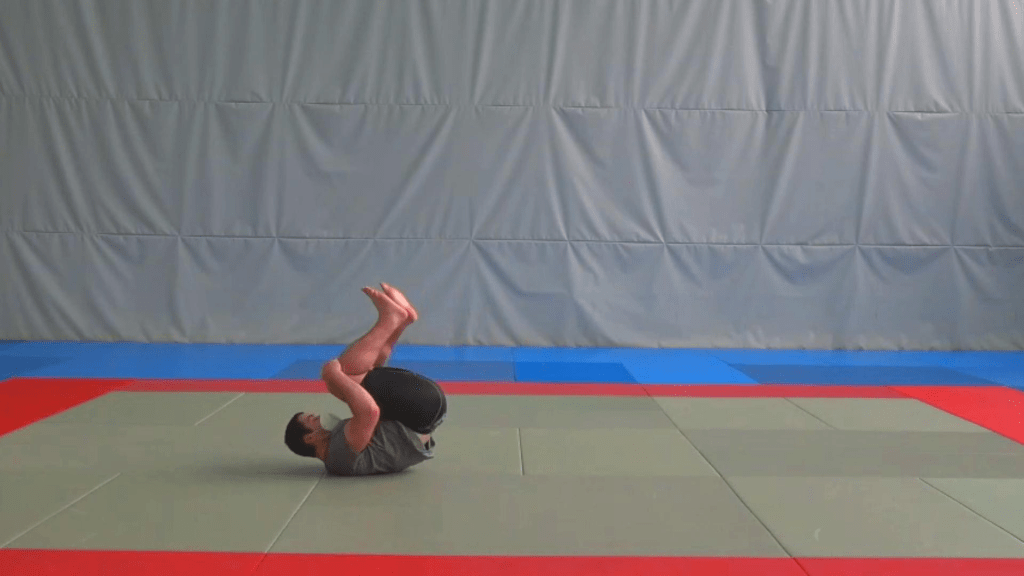
Progression 4
- Starting position: From a squatting position.
- Execution: Roll backwards with your chin tucked into your chest. Your hands are in contact with your knees and remain in contact with your thighs throughout the roll.
- General mechanical principles:
- Soften the force of the fall by making a rolling movement, turning your back into a kind of wheel.

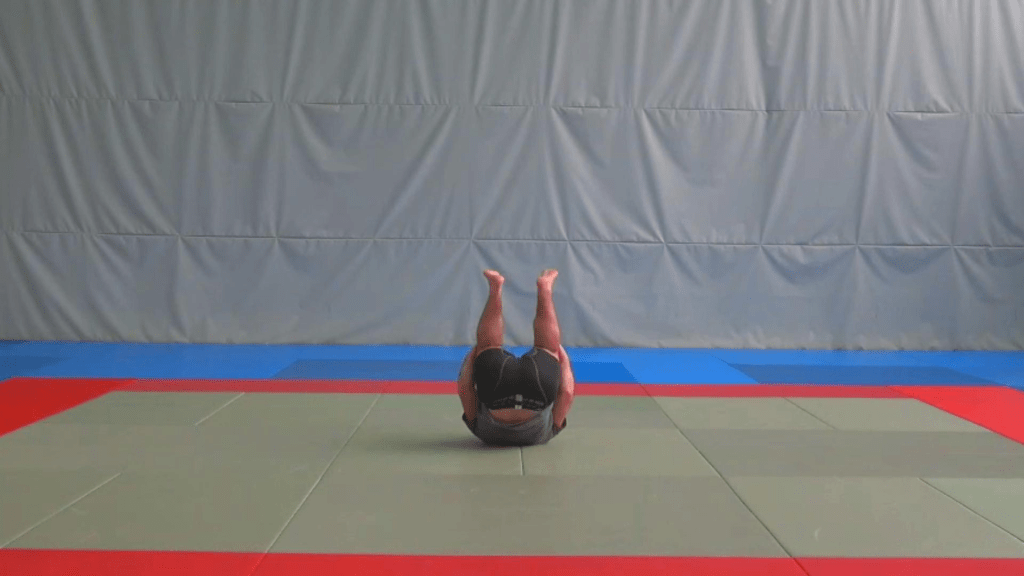
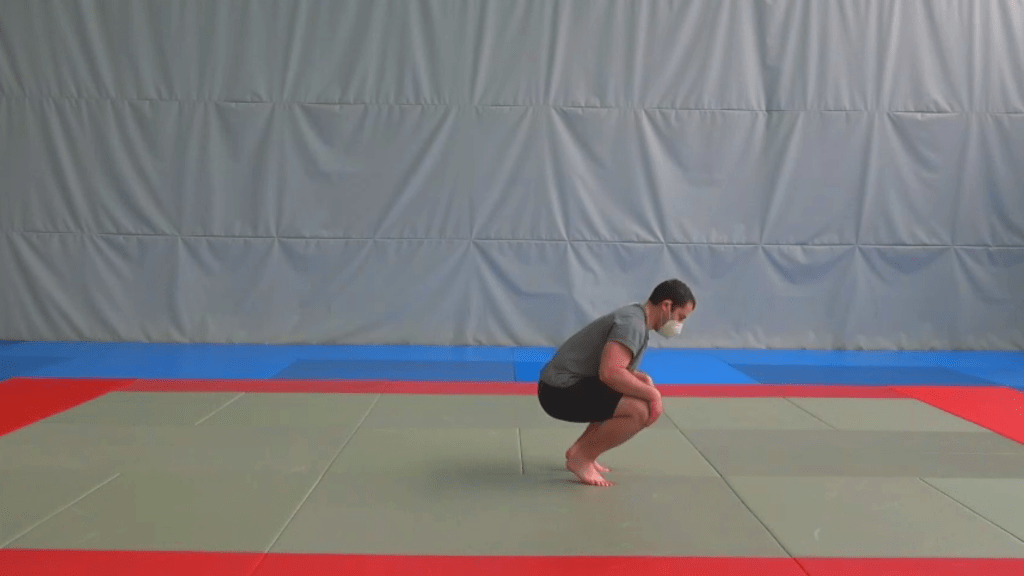
Progression 5
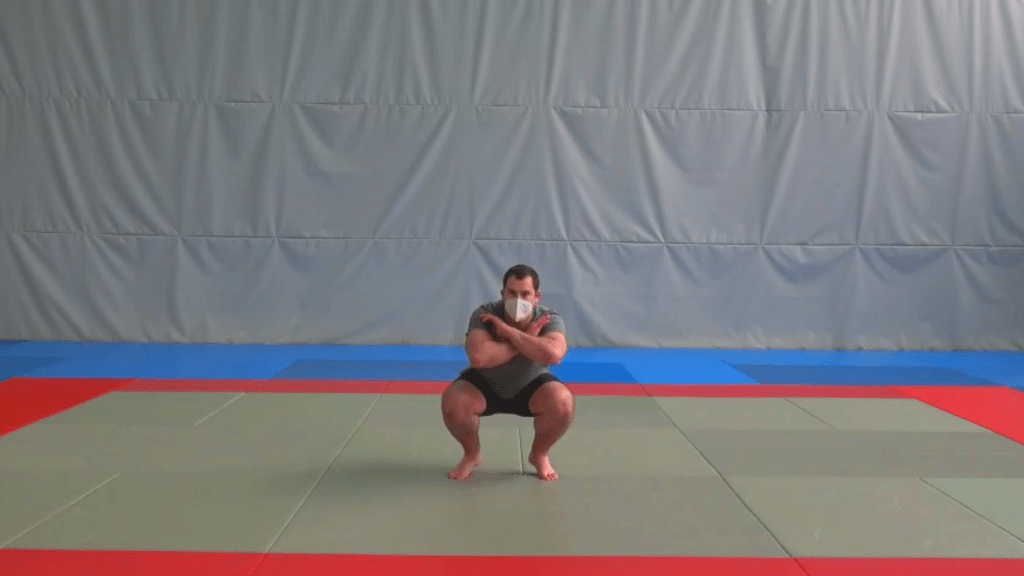
- Starting position: From a squatting position.
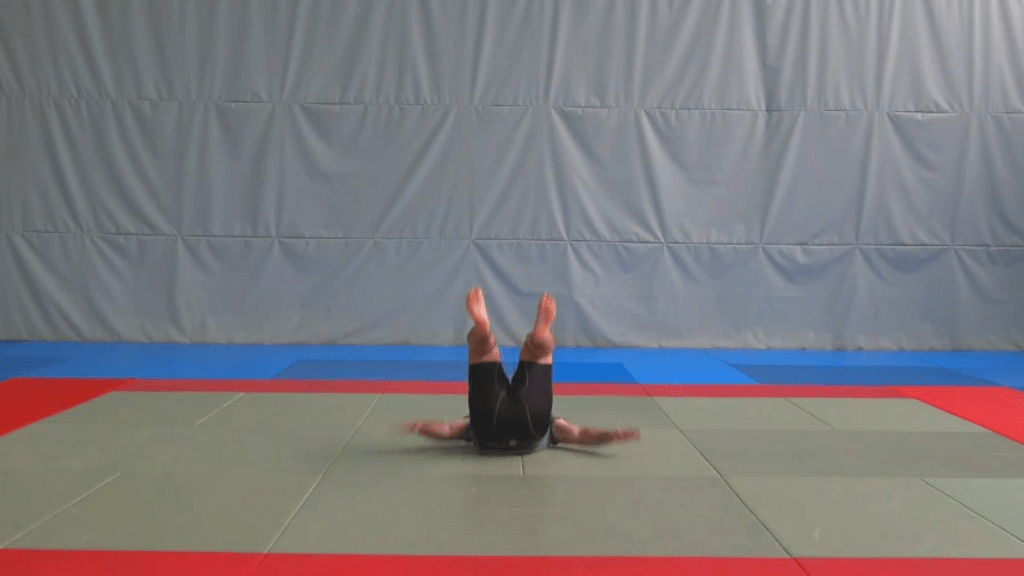
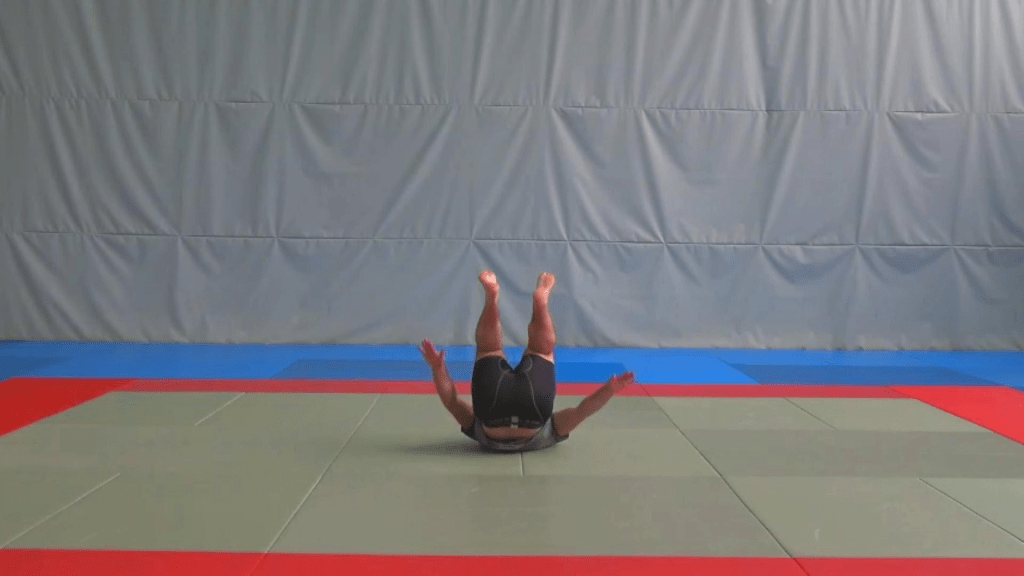
- Execution: Roll backwards with your chin tucked into your chest, hitting the ground with both arms at a 30-degree angle to your torso. Start with your arms crossed at shoulder height. The moment of impact is when the lumbar area of your back makes contact with the ground as you roll.
- General mechanical principles:
- Soften the force of the fall by hitting with your arms.
- Optimal impact surface.
- Optimal moment of impact.
- Soften the force of the fall by making a rolling movement, turning your back into a kind of wheel.
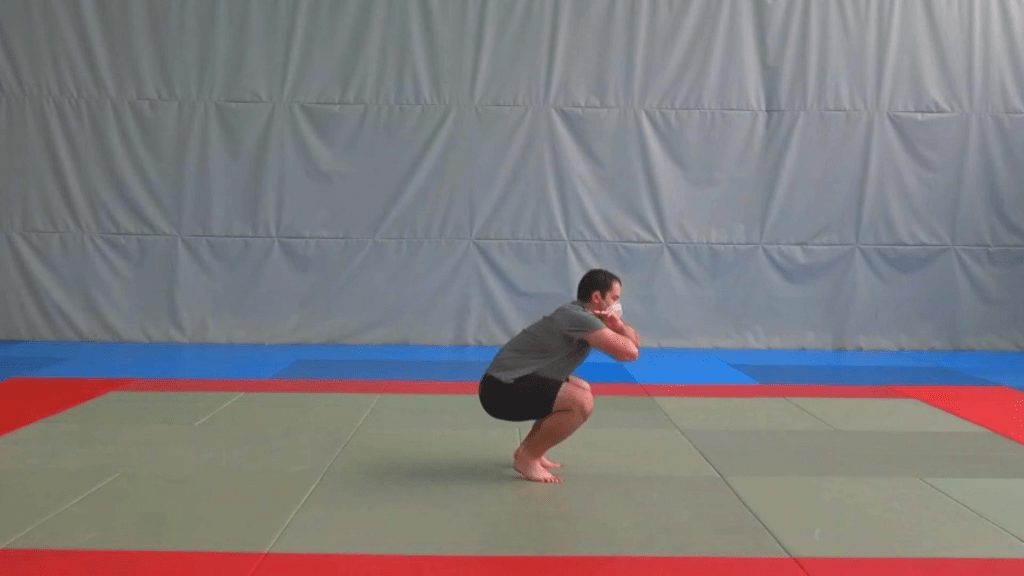
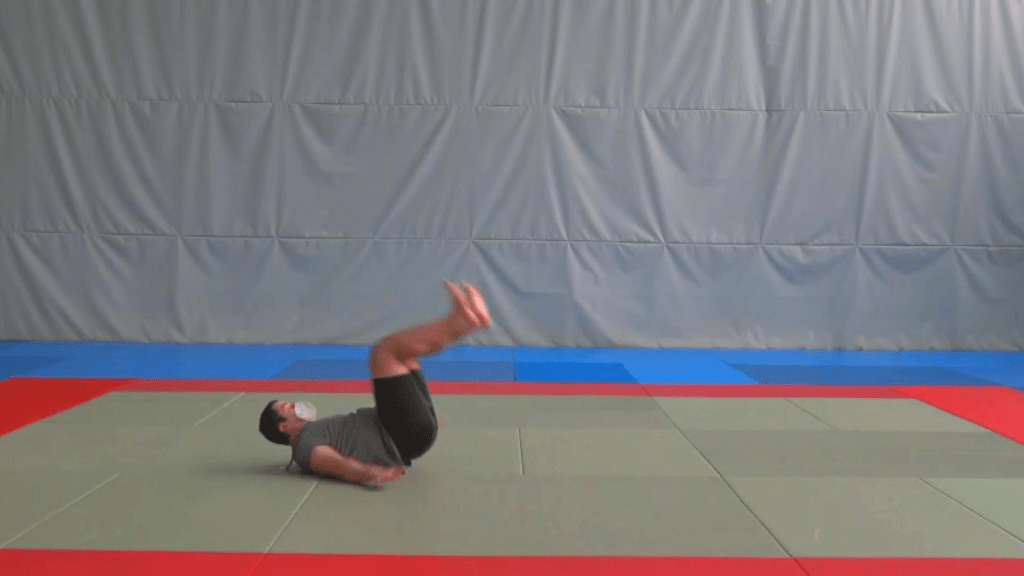
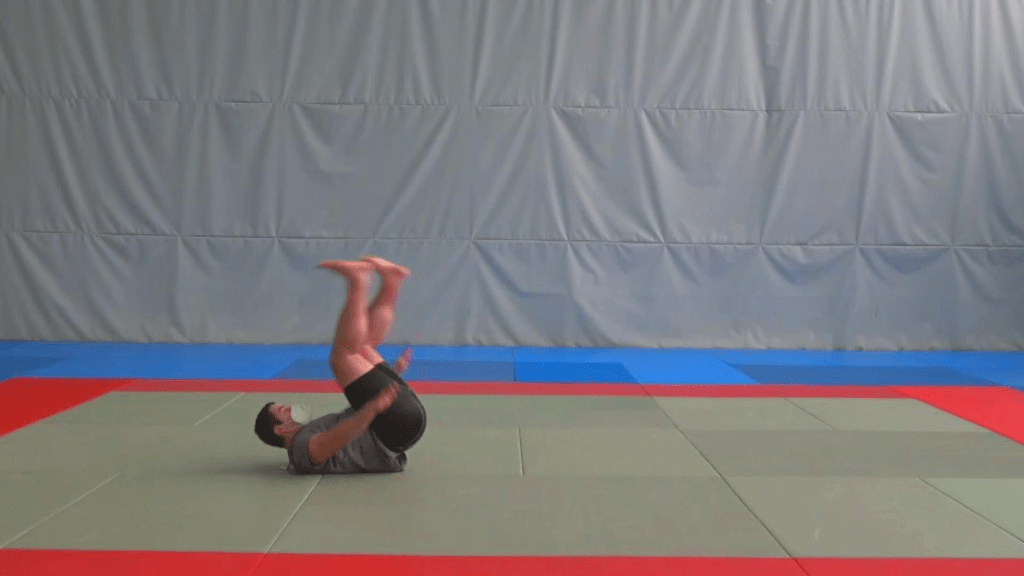
Progression 6
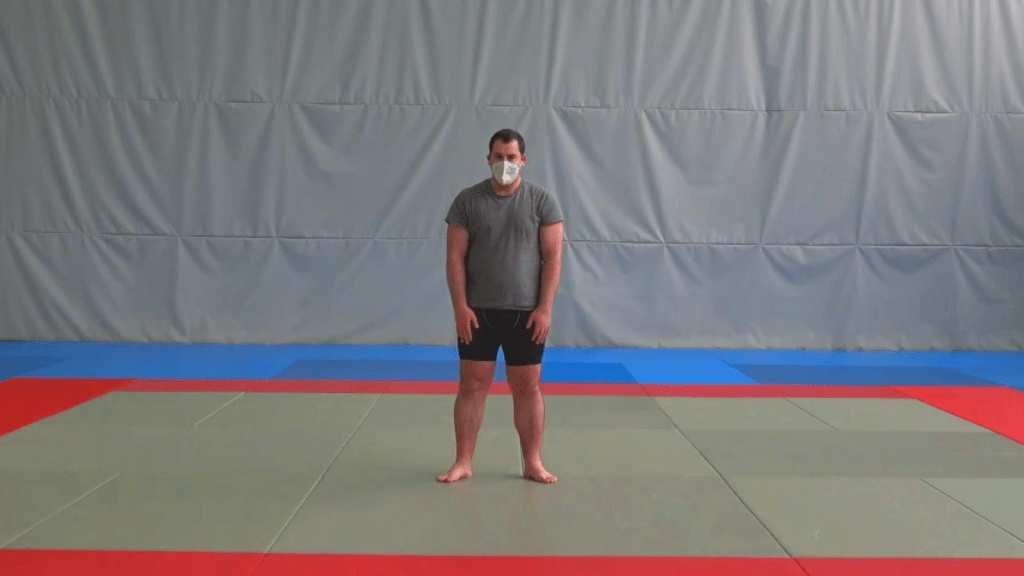
- Starting position: From a standing position.
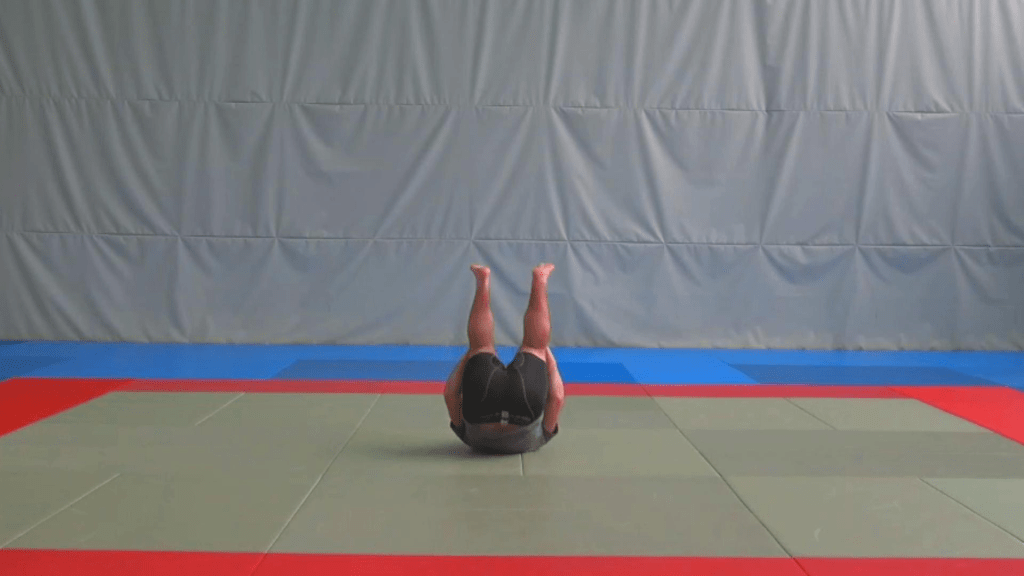
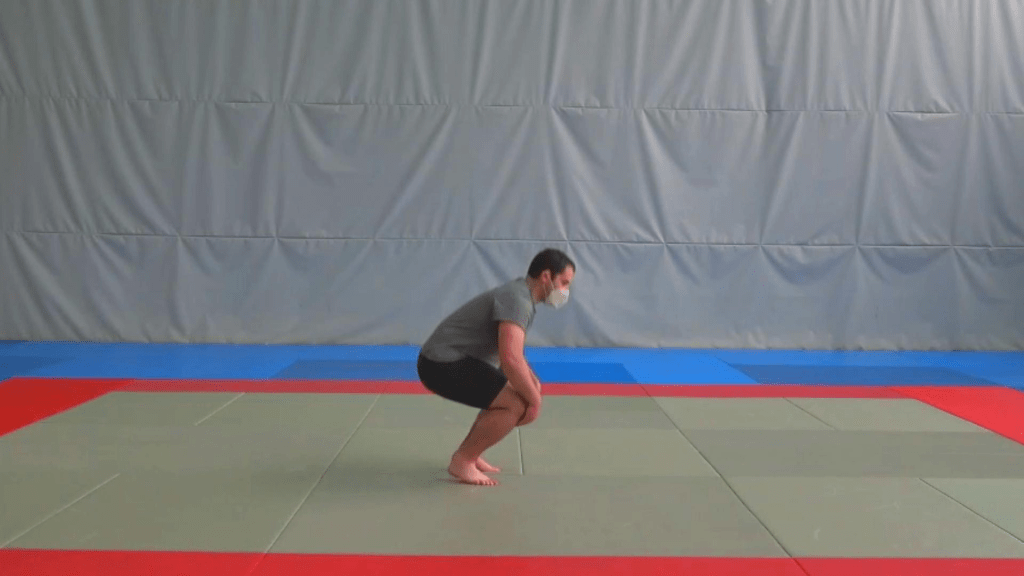
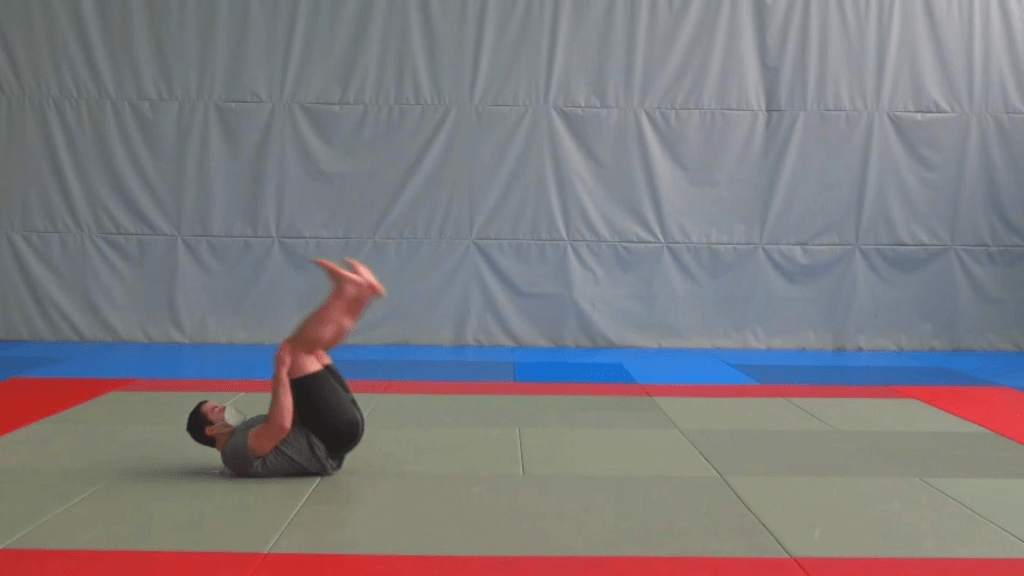
- Execution: We squat down and roll backwards with our chin touching the ground. Our hands are in contact with our thighs and remain in contact with them throughout the movement.
- General mechanical principles:
- Soften the force of the fall by making a rolling movement, turning your back into a kind of wheel.


Progression 7
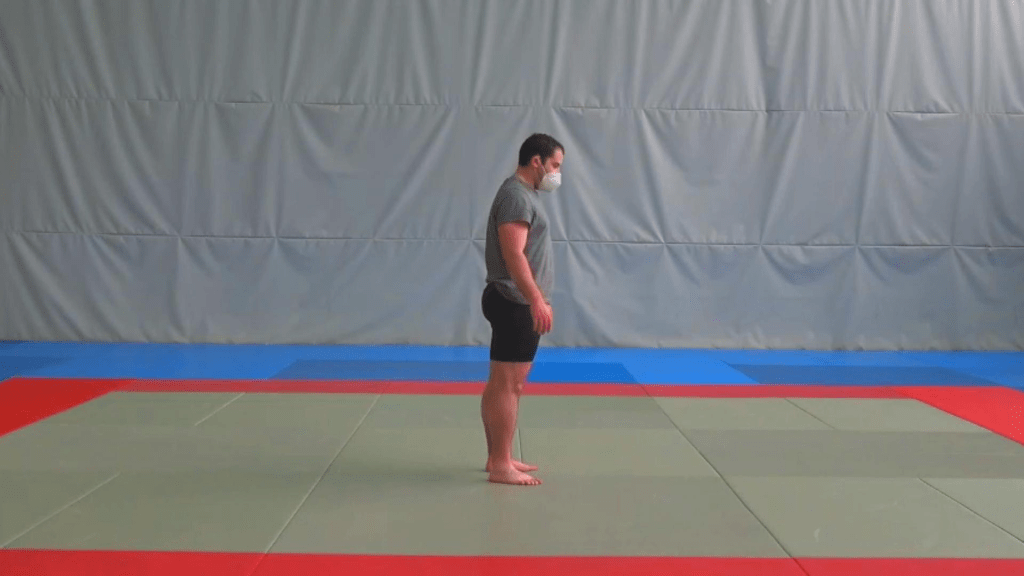
- Starting position: From a standing position.
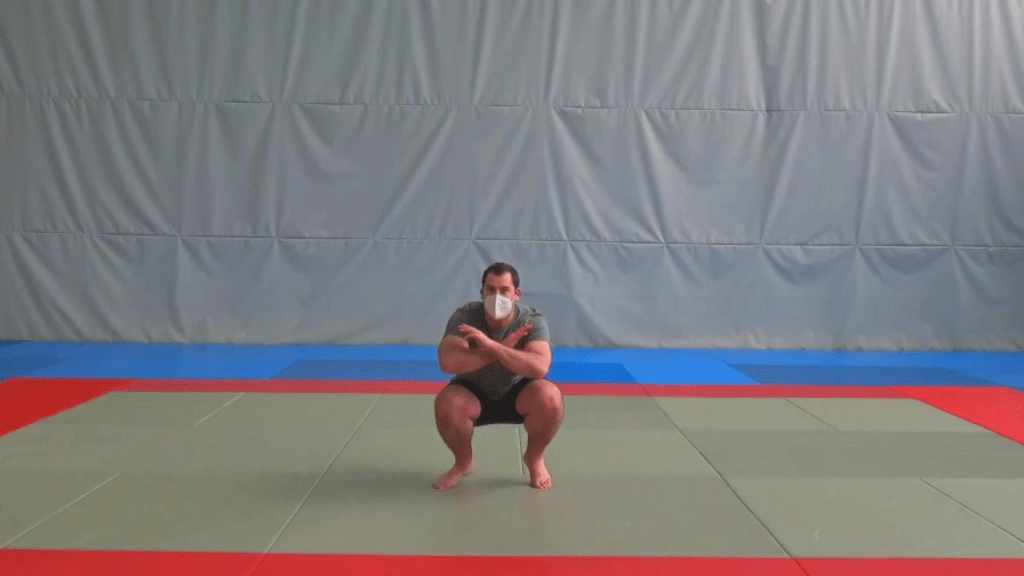
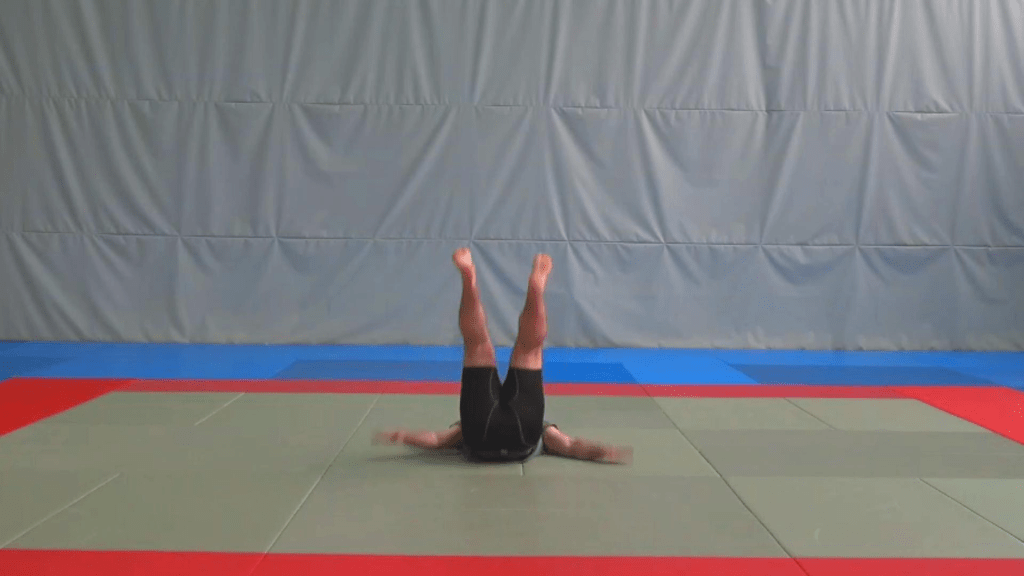
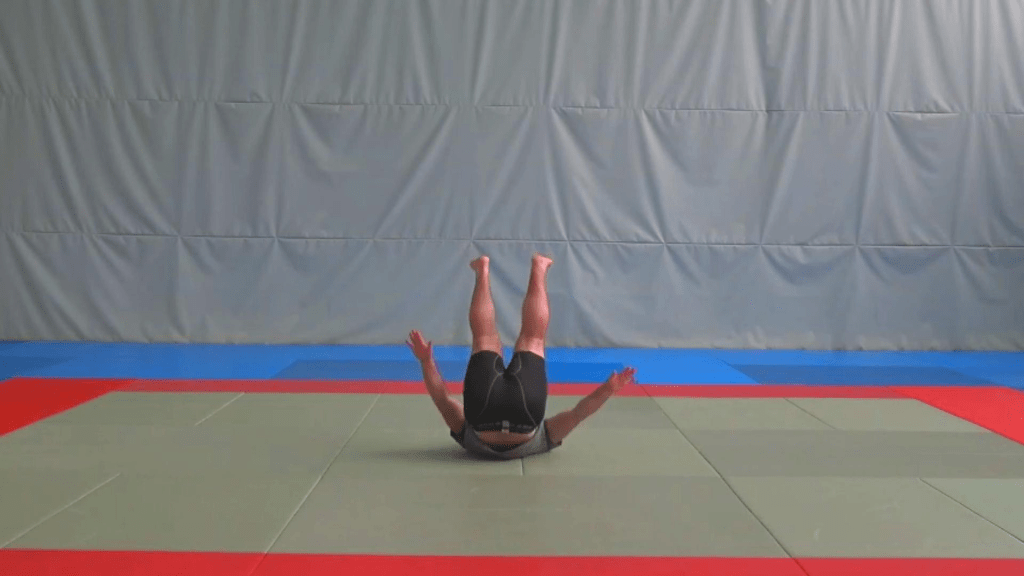
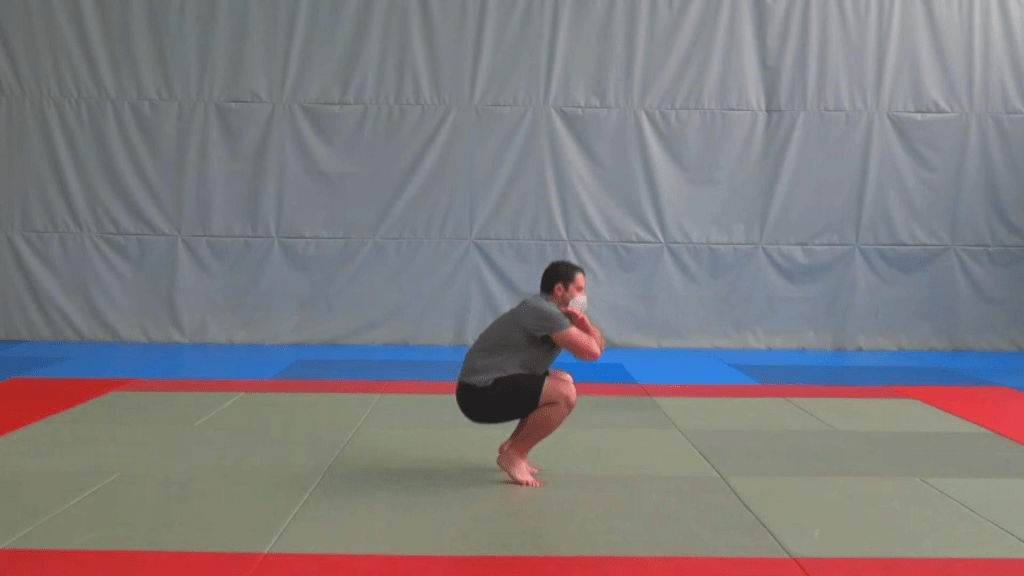
- Execution: We crouch down into a squatting position and roll backwards with our chin touching the ground, hitting the ground with both arms at a 30-degree angle to the torso. We start with our arms crossed at shoulder height. The moment of impact is when the lumbar area of the back makes contact with the ground as we roll.
- General mechanical principles:
- Soften the force of the fall by hitting with your arms.
- Optimal impact surface.
- Optimal moment of impact.
- Soften the force of the fall by making a rolling movement, turning your back into a kind of wheel.

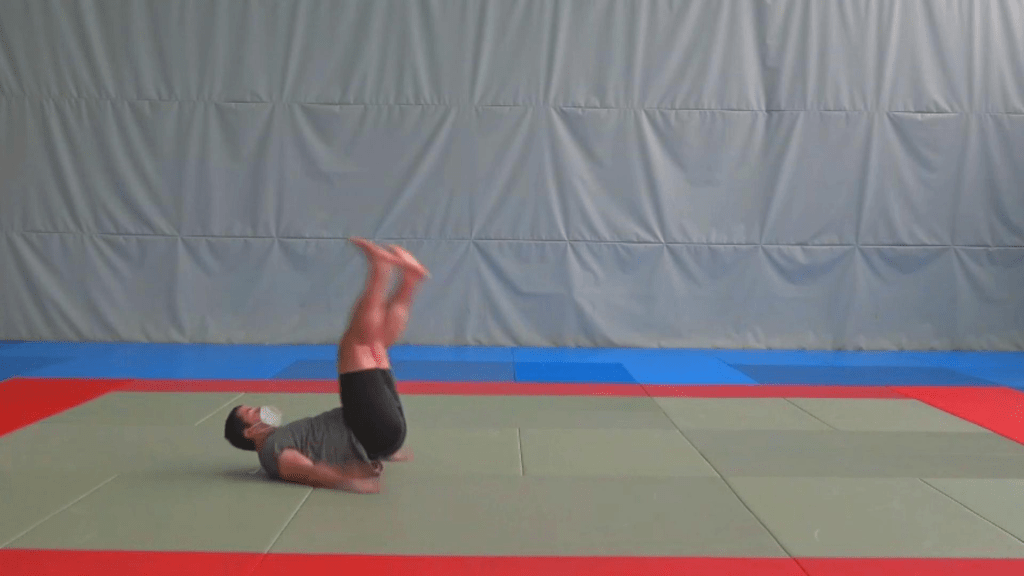
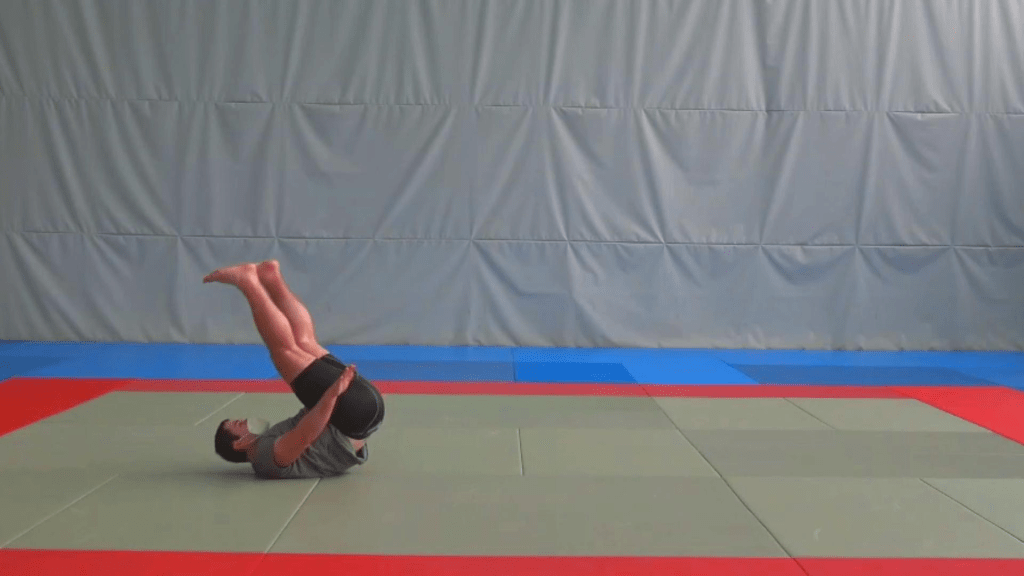
Progression 8
- Starting position: With the help of a partner lying prone on the floor, we place ourselves with our backs to him while standing.
- Execution: We crouch down into a squatting position and roll backwards with our chin touching the ground, hitting the ground with both arms at a 30-degree angle to the torso. We start with our arms crossed at shoulder height. The moment of impact is when the lumbar area of the back makes contact with the ground as we roll.
- General mechanical principles:
- Soften the force of the fall by hitting with your arms.
- Optimal impact surface.
- Optimal moment of impact.
- Soften the force of the fall by making a rolling movement, turning your back into a kind of wheel.
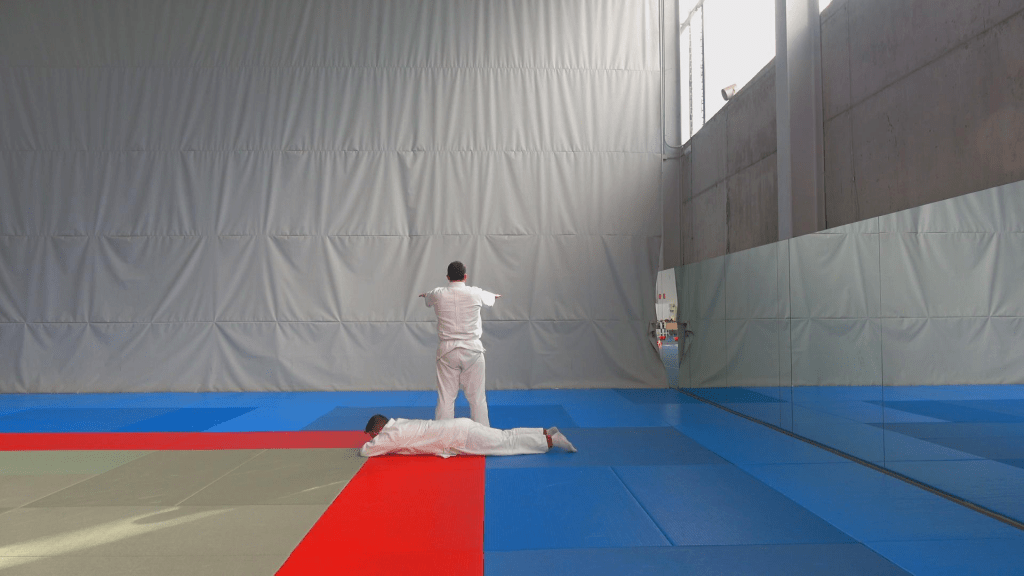
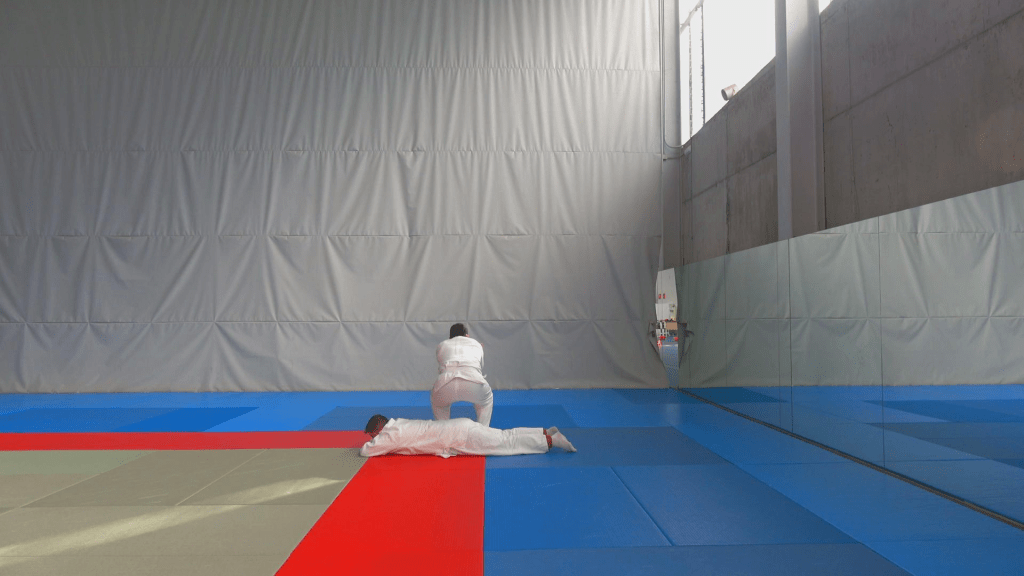
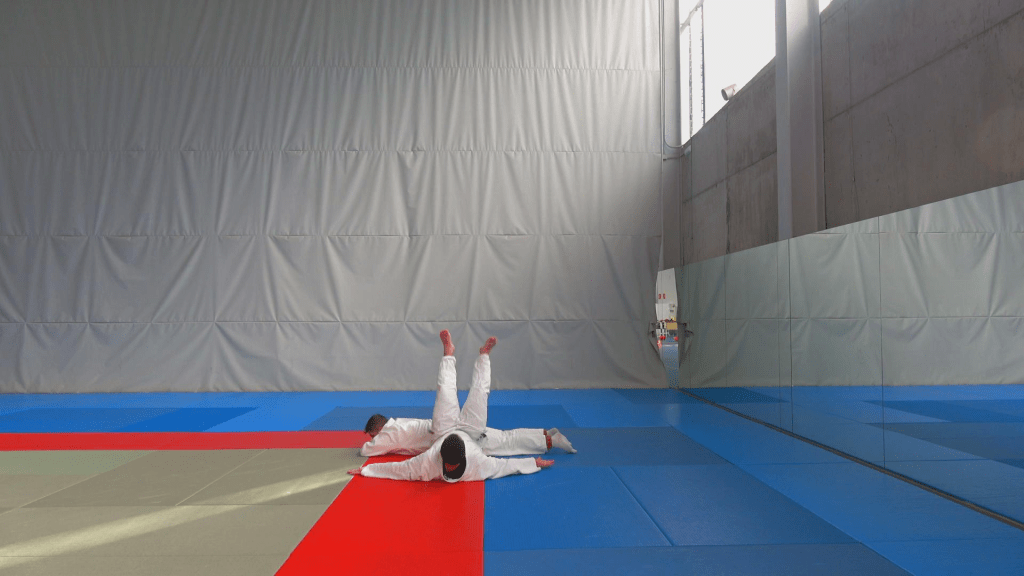

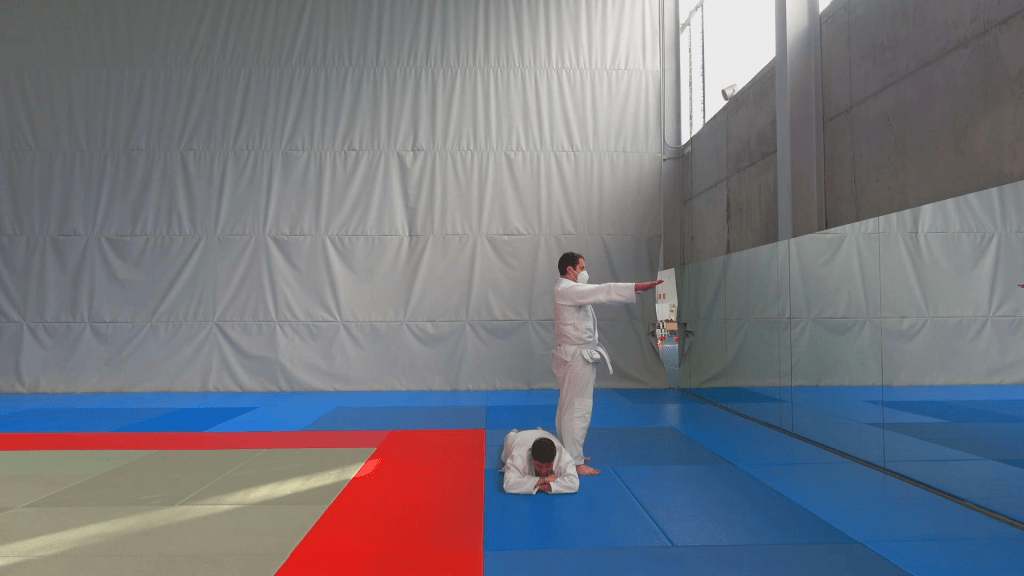
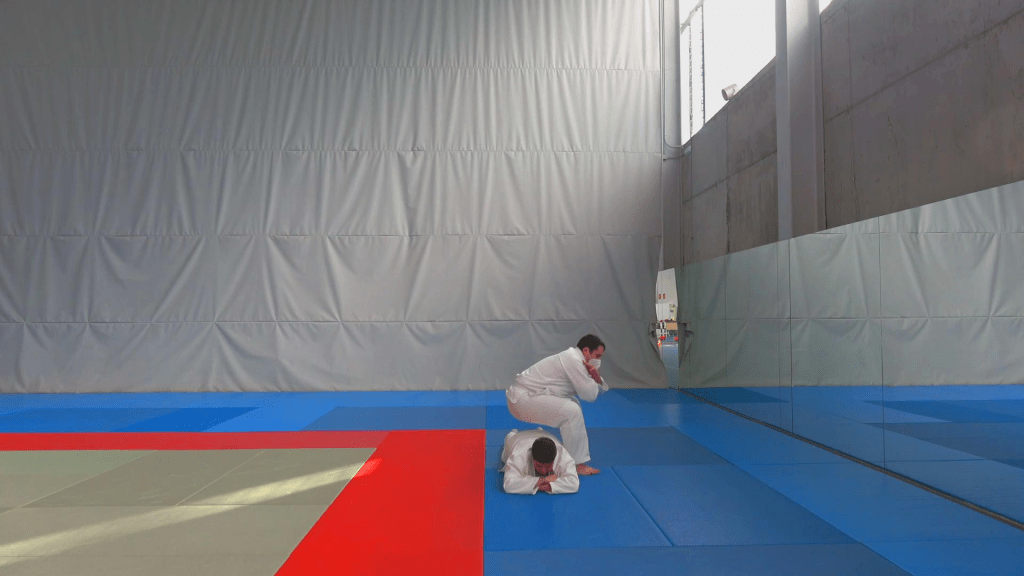
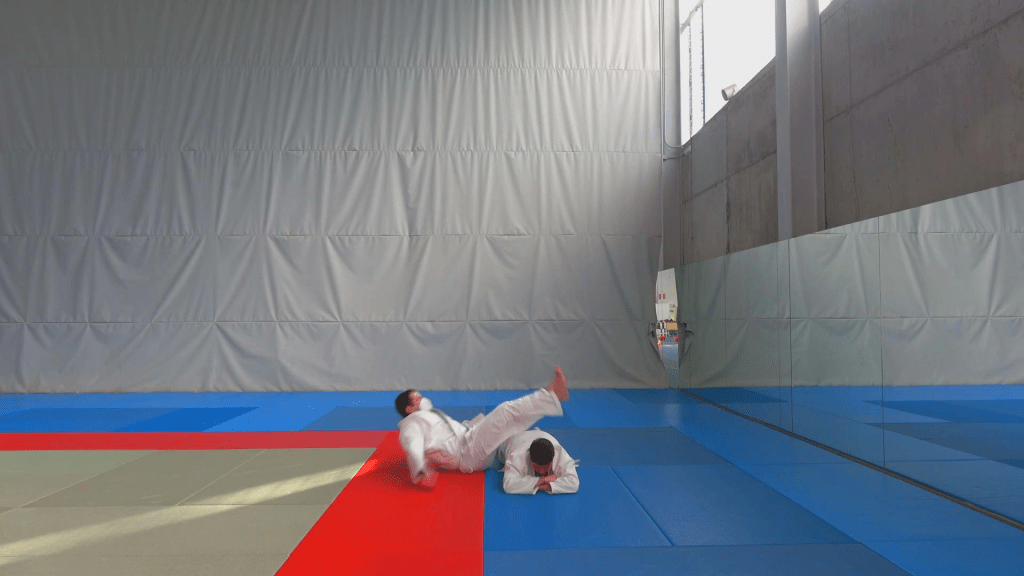
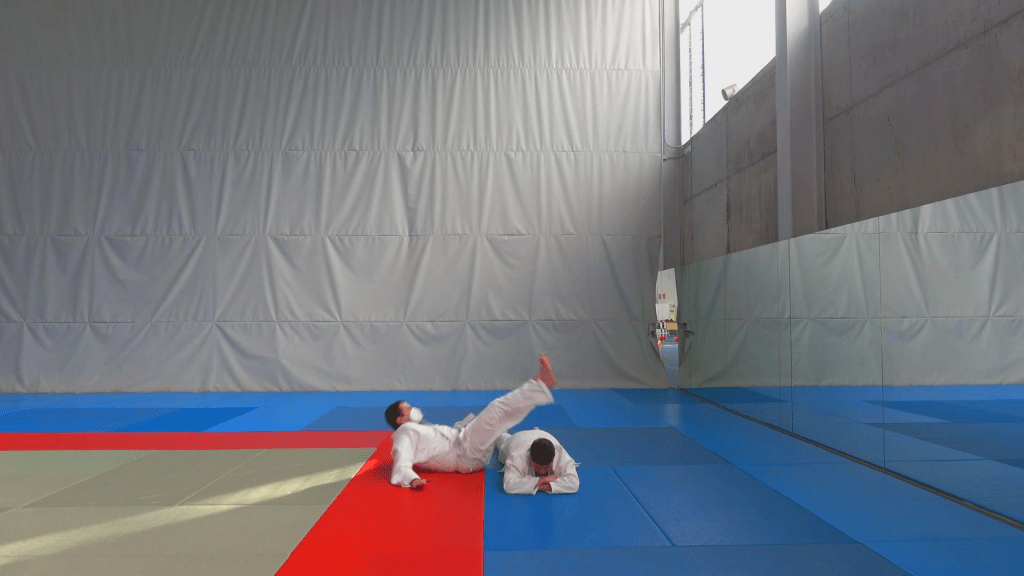
Progression 9
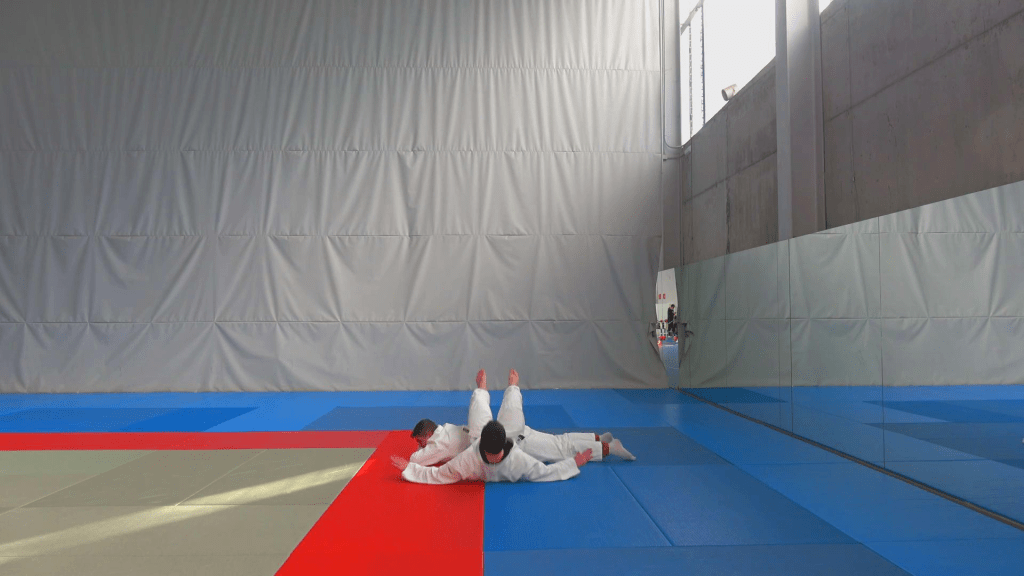
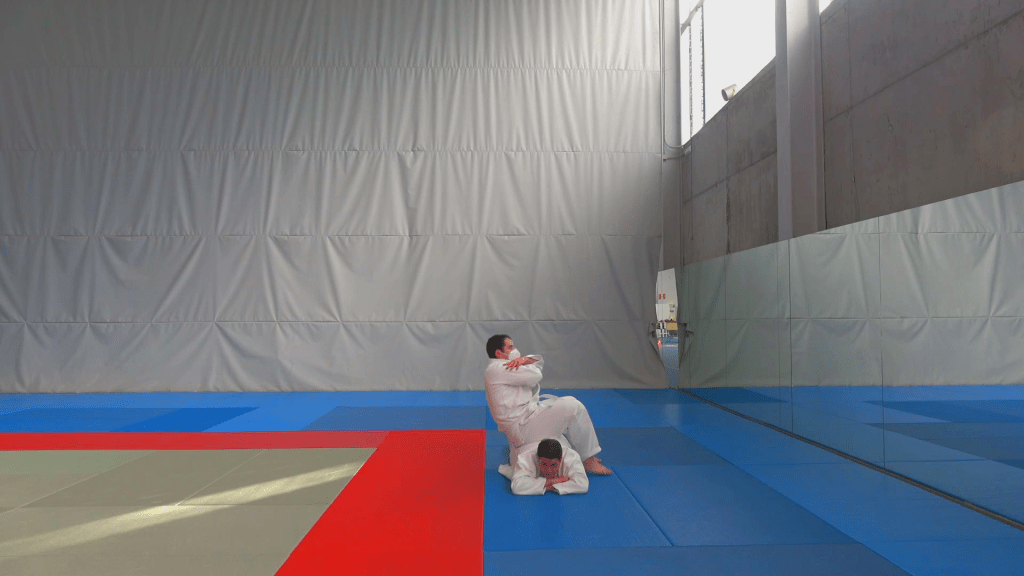
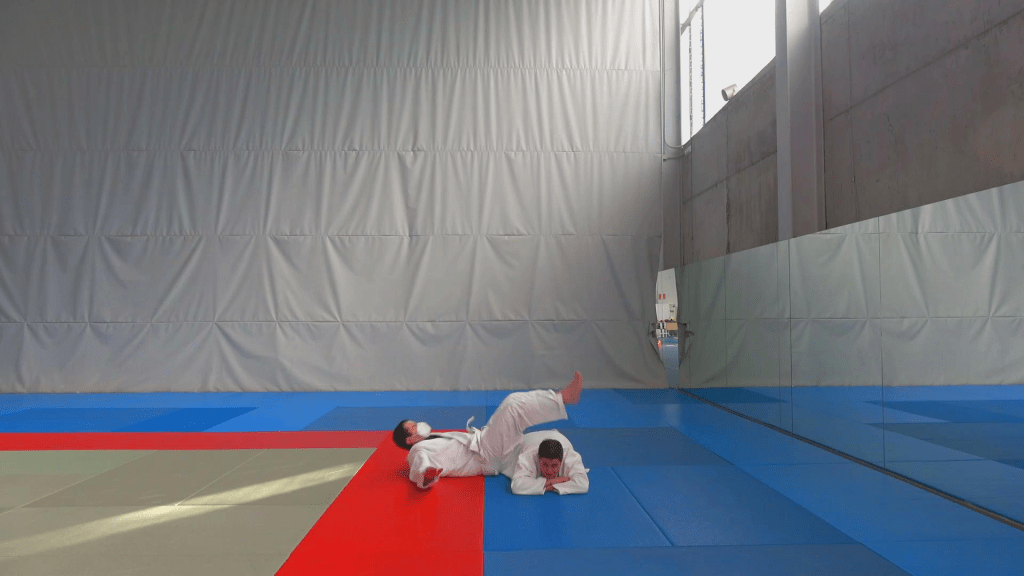
- Starting position: With the help of a partner lying prone on the floor, we sit on the lower back with our arms extended forward.
- Execution: We bring our arms out to shoulder height, while we roll backwards with our chin touching the ground, and we hit the ground with both arms at an angle of 30 degrees with respect to the trunk. The moment of impact is when the lumbar area of the back makes contact with the ground when rolling.
- General mechanical principles:
- Soften the force of the fall by hitting with your arms.
- Optimal impact surface.
- Optimal moment of impact.
- Soften the force of the fall by making a rolling movement, turning your back into a kind of wheel.
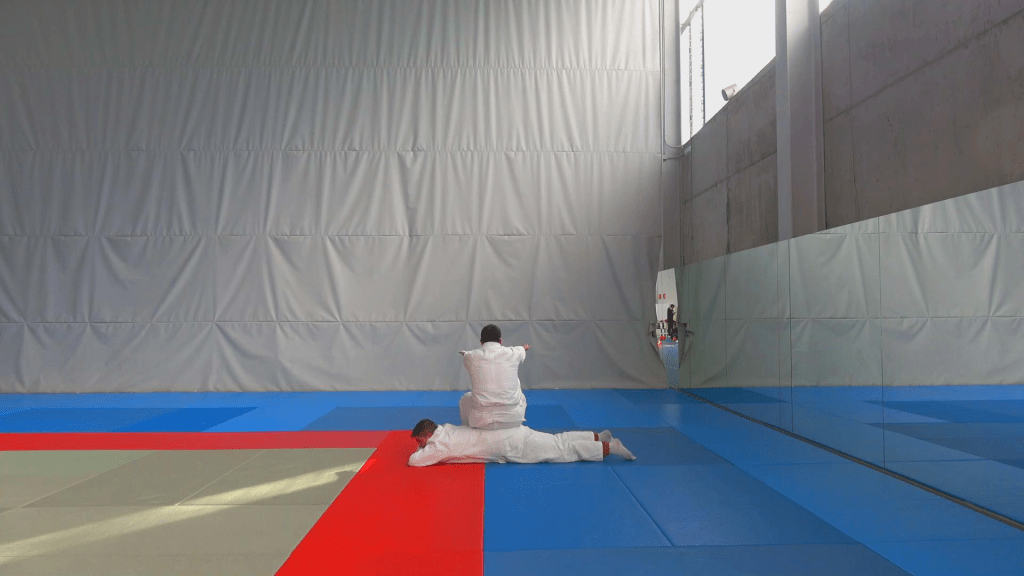
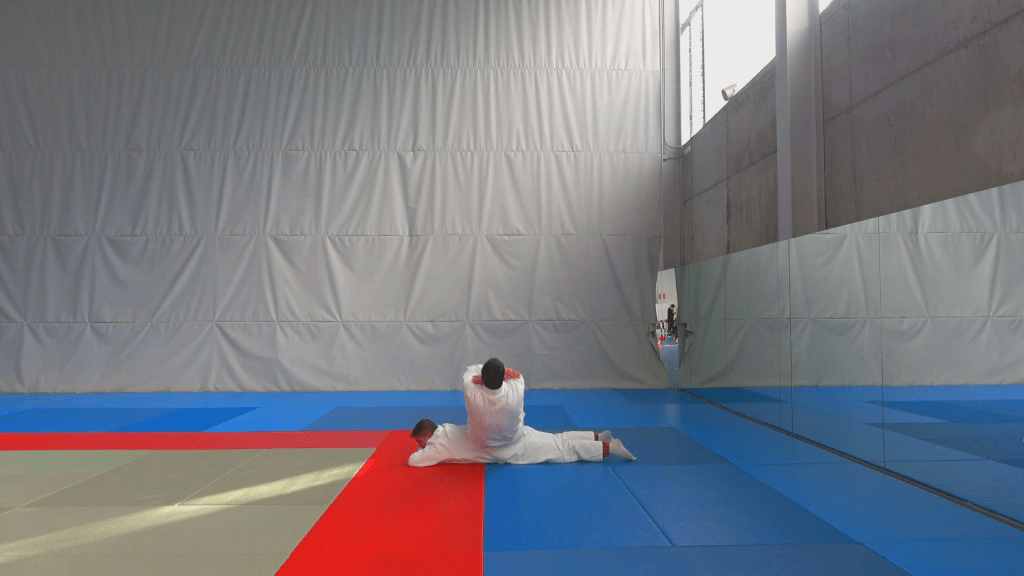
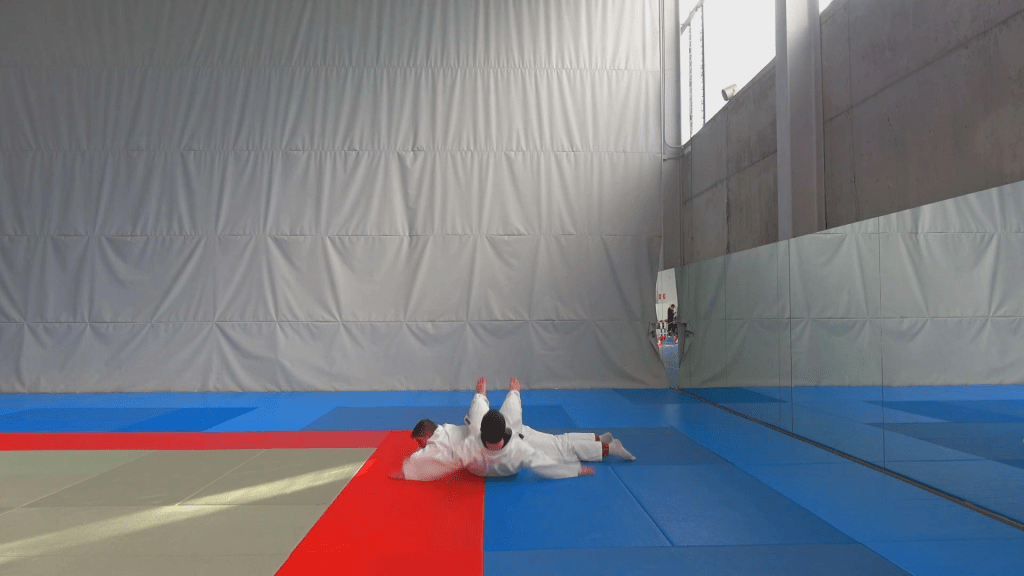


Progression 10
- Starting position: With the help of a partner placed in a four-legged position on the floor and grouped together as if protecting himself, we sit on his back with our arms extended forward.
- Execution: We bring our arms out to shoulder height, while we roll backwards with our chin touching the ground, and we hit the ground with both arms at an angle of 30 degrees with respect to the trunk. The moment of impact is when the lumbar area of the back makes contact with the ground when rolling.
- General mechanical principles:
- Soften the force of the fall by hitting with your arms.
- Optimal impact surface.
- Optimal moment of impact.
- Soften the force of the fall by making a rolling movement, turning your back into a kind of wheel.

Bibliographic references:
- Taira, S. (2014). La esencia del judo (Tomo 1), 2ª edición. Satori.
 ATLETA EXPLOSIVO
Leave a comment